Category: Articles

  • Attack on Titan’s Future After the Finale: New Projects, Movies and Spin-Off Chances

    Attack on Titan’s Future After the Finale: New Projects, Movies and Spin-Off Chances

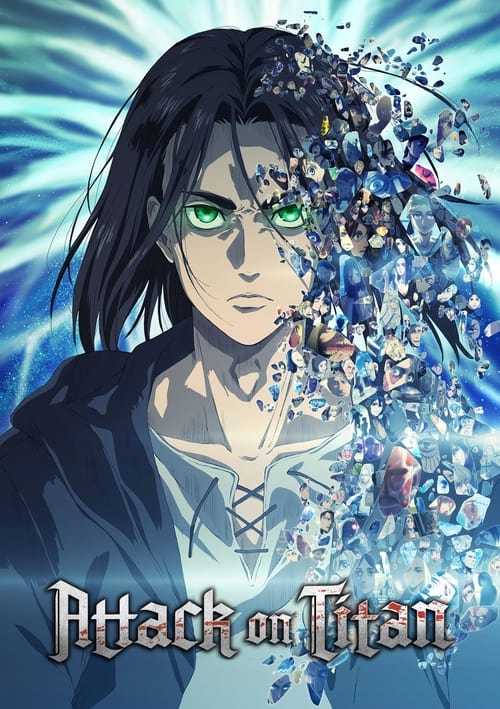
    Attack on titan season 5 new movie searches show how much fans still want from this world, but there is no Season 5 in production or announced, because the main anime story reached its conclusion with The Final Season. What does exist after the finale is a set of related projects and possibilities: compilation films, the final chapters presented as films, and the question of whether spin-offs or prequels could ever return to this universe.

    Why There Is No Season 5

    Attack on Titan’s story was designed to end. The Final Season brought Eren, Mikasa and Armin’s journey to a close, resolving the central mystery of the Titans and the war that shaped their world. A Season 5 that simply continued that story would undo the ending, which is why fans should not expect a straightforward continuation.

    That does not mean the franchise is finished. Anime franchises often continue through films, specials and side stories that revisit earlier periods or explore characters who were not at the centre of the main story. The key distinction is between a continuation of the main plot, which is not expected, and new projects set in the same world, which remain possible.

    Movies After the Finale

    The most concrete post-finale projects have been film presentations of the final chapters, allowing viewers to experience the ending on the big screen with the scale and sound that a cinema release offers. Compilation and film versions are a common way for major anime to reach new audiences and to give existing fans a different way to revisit a story.

    Any future film would need to be announced officially before it can be treated as confirmed. Until then, rumours about a brand-new movie with an original story should be treated as speculation, however exciting they may sound. The safest guide is an official teaser or announcement from the production team.

    Spin-Off Chances

    Spin-offs are the most realistic path back to this world. The Attack on Titan universe is rich with history: the early days of the Survey Corps, the lives of soldiers before the main story, and the wider world beyond the walls all offer material for a new series or film.

    A spin-off would also avoid the problem of continuing a finished story. It could focus on different characters, a different time period or a different part of the world, while keeping the tone and themes that made the original so powerful. Whether such a project happens depends on the rights holders and the studio, and no spin-off should be presented as confirmed until it is announced.

    There is also a difference between a spin-off that adds to the story and one that simply repeats it. The best spin-offs find a new angle, a character or a period that the main series only hinted at, and use that angle to say something fresh about the world.

    What to Watch While Waiting

    For viewers who have finished the finale, rewatching the series from the beginning is a rewarding experience, because early episodes plant details that only make sense once the full story is known. That kind of rewatch also highlights how the show’s music, direction and voice performances evolved across its run. The series also streams on Crunchyroll and other platforms, depending on region, so checking official listings is the best way to find it. Patience, in this case, is part of respecting an ending that was earned over many years.

    For another dark, ambitious anime with a huge world and difficult choices, Bleach offers a different universe, but a similar sense of long-running stakes and evolving characters.

    For the full series guide, cast and trailer, see our complete Attack on Titan title page.
  • Weathering With You Ending Explained: Hodaka’s Choice and Tokyo’s New Normal

    Weathering With You Ending Explained: Hodaka’s Choice and Tokyo’s New Normal

    ⚠ Spoilers ahead

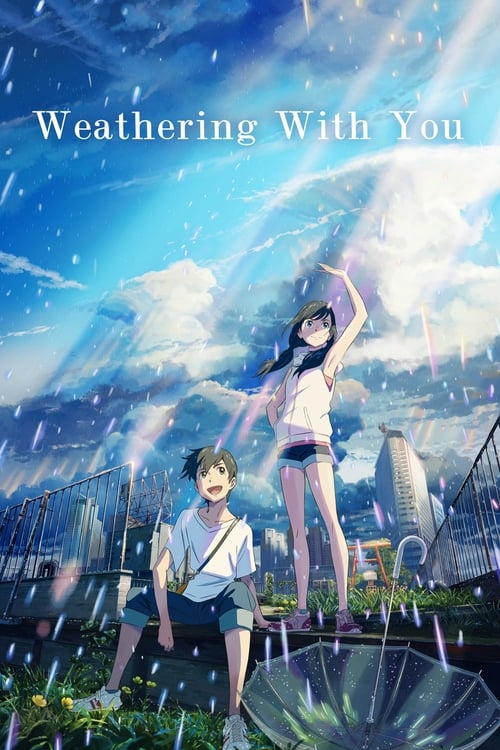
    The ending of Weathering With You is one of Makoto Shinkai’s boldest choices. Hodaka Morishima, a runaway teenager in a rain-soaked Tokyo, is given a clear choice: let Hina Amano, the sunshine girl, sacrifice herself to restore the weather, or bring her back and let Tokyo stay flooded. He chooses Hina. The film does not pretend that choice is free. It shows us exactly what it costs — and then argues, quietly and firmly, that the cost was worth paying.

    The Sunshine Girl’s Bargain

    Hina’s power is the film’s central fantasy and its central problem. As a sunshine girl, she can pray the rain away, bringing clear skies wherever she goes. At first, this looks like a gift: Hodaka and Hina even start a small business clearing the weather for events. But every use of the power takes something from Hina. She is slowly fading, becoming less human and more weather, and the film makes clear that the only way to permanently stop the rain is for her to give herself to the sky completely.

    The bargain is ancient and cruel: one girl’s life in exchange for good weather for a whole city. Weathering With You refuses to treat that bargain as obviously right. It asks why a city should be saved by a teenager’s sacrifice, and whether clear skies are really worth a human life.

    Hodaka’s Choice

    When Hina does sacrifice herself, the rain stops — but Hodaka cannot accept it. He fights his way back to her, through police, through the sky itself, and pulls her back to Earth. It is a rescue, but it is also a rebellion: Hodaka is saying that he will not trade a person he loves for better weather, even if the whole city disagrees.

    The film is careful not to make Hodaka a traditional hero. His choice is selfish, in the plain sense: he wants Hina alive, and he puts that want above Tokyo’s comfort. But Weathering With You suggests that this selfishness is also a kind of honesty. Adults in the film have spent years accepting a world that uses up young people; Hodaka simply refuses to accept that deal.

    Tokyo’s New Normal

    The consequence is immediate and visible. With Hina back, the rain returns, and it does not stop. Tokyo begins to flood. By the film’s final scenes, whole districts are underwater, with boats moving through streets that used to carry cars and trains. The film does not hide this damage or wave it away. The water is beautiful in Shinkai’s animation, but it is also real: homes, roads and lives have been changed forever.

    And yet people adapt. The flooded Tokyo of the ending is not a ruin; it is a city learning to live differently, with new routines, new transport and new skylines reflected in the water. The film’s point is not that flooding is good. It is that the world was already changing, and that clinging to the old normal was never really an option.

    What the Ending Really Means

    The final reunion between Hodaka and Hina, praying together in the rain, is the film’s answer to its own dilemma. They are not fixing the weather. They are choosing each other inside a broken weather system, and finding a way to live in it. Weathering With You ends with rain still falling — and with two young people standing in it, together, rather than apart.

    For another Shinkai film about a young person caught between duty and feeling, see Suzume. For the full story, cast and where to watch, see the complete guide to Weathering With You on DuloTV.

  • Solo Leveling Season 3 Release Date: Announcement News, Arcs Covered and Streaming Info

    Solo Leveling Season 3 Release Date: Announcement News, Arcs Covered and Streaming Info

    Solo leveling season 3 release date news is eagerly awaited after Season 2, Arise from the Shadow, ended with Jinwoo stronger than ever and the world of hunters changed around him. The exact release date for Season 3 is not officially confirmed yet, and fans should treat any specific day as unconfirmed until the studio and Crunchyroll announce it formally.

    Where Season 2 Left Off

    Season 1 followed Sung Jinwoo from the weakest hunter to a rising power, thanks to the mysterious System that lets him level up like a character in a game. Season 2, Arise from the Shadow, pushed him further, with bigger gates, stronger enemies and the growing shadow army that has become his signature.

    By the end of Season 2, Jinwoo was no longer an underdog hiding his strength. He was a force that guilds, hunters and monsters could not ignore, and the story had set up larger conflicts involving the nature of the System itself and the powers behind the gates.

    The supporting cast also matters here. Other hunters, guild leaders and Jinwoo’s family have all been affected by his rise, and a third season would be expected to show how the wider world reacts to a hunter who no longer fits neatly into its ranking system.

    What Arcs Could Season 3 Cover?

    Without spoiling specific outcomes, Season 3 is expected to continue adapting the later parts of the original story, where Jinwoo faces threats on a larger scale and learns more about who built the System and why he was chosen. Those chapters raise the stakes from dungeon raids to conflicts that affect the whole hunter world.

    That scale suits the anime’s strengths: glossy, fast-paced action, dramatic power-ups and the quiet confidence Jinwoo has developed since his early days. A third season would need to balance spectacle with character, keeping Jinwoo’s personal journey at the centre even as the battles grow bigger.

    The shadow army is a key part of that balance. It is not only a weapon, but a reflection of Jinwoo’s growth and his choices, and its role in future battles will be one of the most watched parts of any new season. Fans who enjoy the power-fantasy side of the story will also want to watch for how the anime handles Jinwoo’s growing distance from ordinary hunters.

    Announcement News: What to Watch For

    A Season 3 announcement would most likely come through an official teaser, a trailer or a statement from the production team and Crunchyroll, rather than through unofficial listings or social media rumours. Until that moment, reports about production starts, episode counts or release windows should be treated as speculation.

    Anime of this scale also takes time to produce, with detailed animation, voice recording and music. A gap between seasons is normal, and it does not by itself mean a season has been cancelled or delayed. The safest guide is always the official announcement.

    Where It Streams

    Solo Leveling streams on Crunchyroll in the US, and Season 3 is expected to follow the same pattern, subject to regional licensing. Exact streaming details, including whether episodes will be available weekly as they air in Japan, should be confirmed from official listings closer to release.

    While waiting, rewatching Seasons 1 and 2 is the best preparation, because Season 3 will build directly on Jinwoo’s growth, his shadow army and the mysteries left open at the end of Season 2. For another anime with a hero rising against overwhelming odds, Chainsaw Man offers a darker world, but a similar sense of a young hero finding his strength.

    For the full series guide, cast and trailer, see our complete Solo Leveling title page.

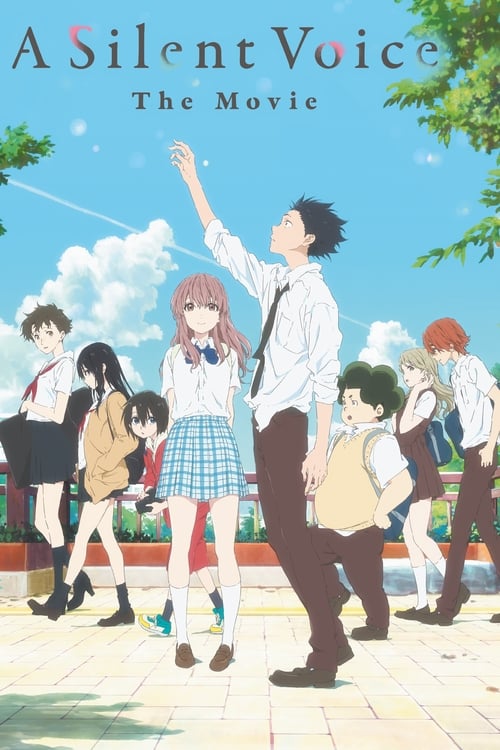
  • A Silent Voice Ending Explained: The Festival Scene and Shoya’s X Marks Falling Away

    A Silent Voice Ending Explained: The Festival Scene and Shoya’s X Marks Falling Away

    ⚠ Spoilers ahead

    The ending of A Silent Voice does not resolve Shoya Ishida’s story with a grand speech or a perfect apology. It resolves it with a look. For most of the film, Shoya cannot look other people in the face: the film covers the faces of strangers with large X marks, a visual sign of his shame and his fear of being judged. In the final festival scene, those X marks fall away, one by one, and Shoya finally hears the world around him. The ending is not about being forgiven. It is about learning to accept that forgiveness, and other people, are possible.

    What the X Marks Mean

    Shoya’s X marks begin as self-protection. As a child, he bullied Shouko Nishimiya, a deaf girl who joined his class, and when his classmates turned on him, he became isolated in turn. As a teenager, he carries that guilt everywhere. The X marks are how the film shows his inner life: he looks at the ground, avoids eye contact, and treats every other person as a potential judge. He is not literally unable to see faces; he is unwilling to risk seeing what they think of him.

    That is why the X marks are so important to the ending. They are not a magic curse that needs a cure. They are a habit of shame, and habits can only be broken by doing the frightening thing — looking up — again and again. Shoya spends the film trying to make amends, reconnecting with Shouko and with old classmates, and each small act of courage loosens the marks a little more.

    Shoya and Shouko

    The heart of the film is Shoya’s relationship with Shouko. He cannot undo what he did to her as a child, and the film is honest about that: an apology does not erase bullying, and Shouko’s own pain does not vanish because Shoya feels guilty. Their reconciliation is slow, awkward and incomplete, built on sign language, shared moments and the difficult work of listening.

    After a crisis that leaves Shoya in hospital, the balance between them shifts. Shouko, who has blamed herself for the pain she caused others, must learn that she is not a burden; Shoya, who has blamed himself for everything, must learn that punishing himself forever helps no one. The ending works because neither of them is simply healed. They are both still learning, together.

    The Festival Scene

    The school festival is where all of this comes together. Shoya walks through the festival with his friends, and for the first time, the camera lets us see the crowd as he sees it now: faces without X marks, voices, laughter and music. The sound design opens up, too — where earlier scenes were muffled and closed in, the festival is loud, bright and overwhelming in a good way.

    Then Shoya breaks down in tears. It is not a sad cry, exactly, but a release: the moment he realises he is surrounded by people who want him there, and that he no longer has to hide from them. His friends gather around him, not to fix him, but to be with him. That is the film’s answer to its own question. Redemption is not a single act; it is letting other people back in.

    Why the Ending Stays With Viewers

    A Silent Voice ends without promising that everything will be fine. Shoya and Shouko still have difficult conversations ahead of them, and their friendship is still fragile. But the falling X marks tell us something has changed permanently: Shoya has chosen to look at the world again, and the world, in return, is looking back kindly.

    For another anime film about a young person choosing a difficult path, see Weathering With You. For the full story, cast and where to watch, see the complete guide to A Silent Voice on DuloTV.

  • One Piece Anime in 2026 and Beyond: The Remake, Elbaph Arc and Final Saga News

    One Piece Anime in 2026 and Beyond: The Remake, Elbaph Arc and Final Saga News

    One piece remake elbaph arc news brings together three different stories: the original anime is in its Final Saga with the Elbaph arc, a remake of the series from the beginning is in the works, and the long road towards the ending is still being written. No single date covers all of these projects, so fans should treat each one separately and check official announcements rather than assuming one release means the others are close.

    The Elbaph Arc and the Final Saga

    Elbaph, the land of giants, has been teased for years, and its arrival in the Final Saga is a major moment for long-time viewers. The arc brings Luffy and the Straw Hat Pirates to a world shaped by giant warriors, old legends and questions that reach back to the earliest days of the story.

    As part of the Final Saga, Elbaph is not a side trip. It is expected to deepen the mysteries around the Void Century, the ancient world and the forces that will shape the final conflict. Viewers who have followed the series for years will find familiar threads returning, while newer viewers will see why Elbaph has been so eagerly awaited.

    The giants themselves are part of One Piece’s history from the very beginning, appearing in early adventures and in stories told by other characters. Returning to their homeland therefore feels like a homecoming for the series as a whole, even for viewers who are meeting Elbaph for the first time.

    What Is the One Piece Remake?

    The remake, often discussed as a fresh adaptation of the manga from the beginning, is intended to give new viewers a cleaner entry point into a story that now spans more than a thousand episodes. The original anime remains a huge commitment, and a remake with modern production and a tighter pace could make the early adventures more approachable.

    That does not mean the original is being replaced. The two projects serve different audiences: the original continues the Final Saga, while the remake retells the journey from the start. Details such as the remake’s exact release schedule are not officially confirmed yet, and fans should wait for formal announcements before treating any date as settled.

    Why 2026 Matters for One Piece

    For One Piece, 2026 is a year of overlap. The original anime continues, the remake moves through production, and the manga’s Final Saga keeps raising the stakes. That overlap is part of what makes this moment exciting, but it also creates confusion, because news about one project is sometimes mistaken for news about another.

    The safest way to follow it all is to separate the headlines: Elbaph news belongs to the original anime’s Final Saga, remake news belongs to the new adaptation, and final-ending news will only be confirmed when the manga and anime reach that point. Until then, speculation about an ending date should be treated with caution. Patience is part of following a series of this scale, where the journey has always mattered as much as the destination.

    Where to Watch

    The original One Piece anime streams on Crunchyroll in the US, with additional availability on other platforms depending on region. Checking official streaming listings before starting is wise, because availability can differ by region. New viewers who want to start from the beginning can begin with the early East Blue episodes, while returning viewers can pick up with the current Final Saga arc.

    For another long-running anime with a huge world and a devoted fanbase, Naruto offers a different journey, but a similar sense of adventure and friendship.

    For the full series guide, cast and trailer, see our complete One Piece title page.

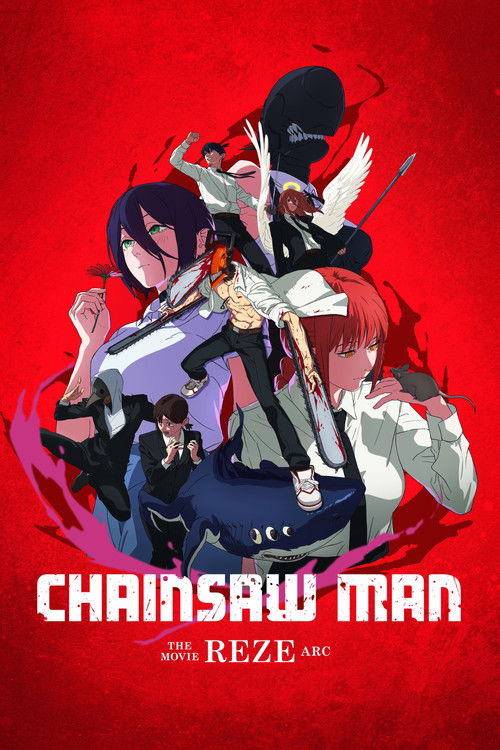
  • Chainsaw Man: Reze Arc Ending Explained — The Flower, the Typhoon and Denji’s Choice

    Chainsaw Man: Reze Arc Ending Explained — The Flower, the Typhoon and Denji’s Choice

    ⚠ Spoilers ahead

    The ending of Chainsaw Man: Reze Arc is a heartbreak dressed up as a romance. Denji, who has spent his life chasing the simplest pleasures — good food, a warm bed, someone who likes him — finally meets someone who seems to want him for himself. Reze is funny, kind and gentle, and for a while the film lets Denji believe that a normal, happy life might be possible. The ending explains why that happiness was always a trap, and why Denji’s choice at the end matters more than the battle that precedes it.

    The Flower and What It Means

    The flower is the film’s simplest and most important symbol. Reze gives Denji a flower early in their relationship, and it becomes a shorthand for the tenderness between them: a small, ordinary gift from someone who appears to care about him as a person, not as Chainsaw Man. In a story full of devils, blood and explosions, a flower is deliberately fragile. It can be crushed in a second, and the film knows it.

    That fragility is the point. Denji’s feelings for Reze are genuine, but they are also built on a lie he does not yet understand. The flower represents the life Denji wants — quiet, affectionate, normal — and the ending forces him to accept that this particular version of that life was never real. The flower does not survive the arc, and neither does the dream attached to it.

    Reze Revealed and the Typhoon

    Reze is revealed to be the Bomb Devil, a hybrid devil hunter sent to take Denji’s heart. Her powers are explosive in the most literal sense: she can detonate parts of her own body and regenerate, turning her body into a weapon. The climactic fight is a storm of explosions, and the typhoon that tears through the city becomes a visual partner to the chaos — rain, wind and fire all at once, with Denji fighting someone he still cares about in the middle of it.

    The typhoon matters because it strips away any clean, heroic framing. This is not a fight Denji wants, and it is not a fight he can win without hurting someone he loves. Chainsaw Man’s violence is usually grotesque and funny; here it is sad. Every explosion is also a reminder that Reze was never free to simply be the girl from the cafe, and that Denji was never free to simply be her boyfriend.

    Denji’s Choice

    The heart of the ending is Denji’s refusal to run away with Reze. She offers him an escape: leave everything behind, leave Makima and Public Safety behind, and start over somewhere else with her. For a character who has always said yes to whoever offered him food, shelter or affection, this should be the easiest yes of his life. Instead, Denji says no.

    His choice is not about rejecting Reze. It is about rejecting the idea that he has to disappear to be happy. Denji chooses the messy, dangerous life he already has — his friends, his work, the people who know what he is — over a fantasy built on deception. It is the first time Denji chooses for himself rather than simply accepting whatever is offered to him, and that is why the ending is hopeful even as it breaks his heart.

    What the Ending Leaves Behind

    After the battle, Reze is gone from Denji’s everyday life, and the film leaves her future deliberately unresolved. Denji is left with the memory of the flower, the typhoon and the girl who was both real and a lie. He does not get a clean resolution, and neither does the audience — and that ambiguity is faithful to Chainsaw Man, a series that never lets its characters have a simple happy ending.

    For another anime ending where a hero loses a mentor figure, see Jujutsu Kaisen. For the full story, cast and where to watch, see the complete guide to Chainsaw Man: Reze Arc on DuloTV.

  • Chainsaw Man Season 2: Is It Happening After the Reze Arc Movie? Studio News Explained

    Chainsaw Man Season 2: Is It Happening After the Reze Arc Movie? Studio News Explained

    Chainsaw man season 2 is the question every fan is asking after the Reze Arc movie, but a second season has not been officially confirmed yet. The first season, made by MAPPA, covered the opening chapters of Tatsuki Fujimoto’s manga in 12 episodes, and the story then continued on the big screen with Chainsaw Man: The Movie: Reze Arc (2025). That film is a separate project, not a second season, which is why the future of the TV series remains a matter of studio announcements rather than settled fact.

    Why the Reze Arc Became a Movie

    The Reze Arc is one of the most loved parts of the early manga, introducing Reze, a character whose relationship with Denji is both tender and dangerous. Turning it into a film gave the story a bigger canvas, with feature-film animation, sound and pacing, rather than squeezing it into a weekly television schedule.

    That choice also changed expectations. Fans who hoped the movie would simply lead straight into a second season found instead that the film was the next chapter, and that any further television episodes would need a separate announcement. A film can adapt a self-contained arc well, but it does not automatically guarantee a new season.

    What MAPPA Has and Has Not Said

    MAPPA’s work on Chainsaw Man has been widely praised for its detailed, cinematic animation and its willingness to let quiet, character-driven moments sit alongside wild action. The studio has a very busy slate, however, and that is one reason fans should be patient: a second season would need scheduling, staff and production time, all of which are decided behind closed doors.

    Until MAPPA or another official source announces a second season, claims about dates, episode counts or production starts should be treated as speculation. Social media posts, rumours and fan hopes are not the same as a confirmed announcement, and this article will not present them as fact.

    The heart of the series is Denji himself, a young man whose simple dreams of a normal life sit strangely beside the violent world he inhabits. His relationships with Makima, Aki and Power gave the first season its emotional weight, and any continuation would need to build on those bonds rather than simply adding more battles.

    What Season 2 Could Cover

    If a second season does happen, it would be expected to continue Denji’s story after the events of the Reze Arc, following the manga’s next arcs and the deepening of the Public Safety Devil Hunters’ world. Without spoiling specific outcomes, the manga moves into darker, more complex territory, with new devils, new alliances and harder choices for Denji.

    That material would suit a television format well, because it builds over many chapters, with character threads that pay off gradually. A season that rushed through it would lose much of what makes Chainsaw Man distinctive: its mix of absurd comedy, genuine emotion and sudden, shocking violence.

    Where to Watch While Waiting

    While waiting for news, the first season remains available to stream, and the Reze Arc movie is the natural next step for viewers who have finished it. Watching both in order gives the fullest picture of Denji’s journey so far, from his desperate beginnings to the events that follow. A rewatch also rewards attention, because the series plants small details and character moments that take on new meaning later.

    For another action-packed anime with a hero fighting against overwhelming odds, Jujutsu Kaisen offers a different world, but a similar sense of escalating danger and strong character work.

    For the full series guide, cast and trailer, see our complete Chainsaw Man title page.

  • Jujutsu Kaisen’s Shibuya Incident Ending Explained: The Sealed Gojo and What Follows

    Jujutsu Kaisen’s Shibuya Incident Ending Explained: The Sealed Gojo and What Follows

    ⚠ Spoilers ahead

    The ending of the Shibuya Incident in Jujutsu Kaisen is the moment the series breaks its own status quo. Satoru Gojo, the strongest sorcerer alive and the safety net for the entire jujutsu world, is sealed inside the Prison Realm. With Gojo gone, Shibuya is left in ruins, key characters are dead or gravely wounded, and the villains’ plan moves into its next phase. The arc does not end with a victory; it ends with a world that has lost its protector.

    How Gojo Is Sealed

    The villains’ plan in Shibuya is built around one fact: they cannot beat Gojo in a fair fight, so they must trap him. Using a veil that keeps ordinary people inside Shibuya Station, they force Gojo to fight in a crowded place where he cannot use his full power without killing civilians. Then, at the crucial moment, they present him with the face of Suguru Geto — his dead best friend. Gojo freezes for a single instant, and that instant is enough.

    The figure wearing Geto’s face is not Geto at all, but Kenjaku, an ancient sorcerer who has taken over Geto’s body. Kenjaku activates the Prison Realm, a cursed object that can seal even someone as powerful as Gojo if he is caught off guard. Gojo is trapped inside it, and the sorcerers’ greatest weapon is removed from the board in a matter of seconds. The sealing is not a defeat in battle; it is a theft, and that is what makes it so shocking.

    Mahito, Nanami and Nobara

    While Gojo is sealed, the rest of Shibuya becomes a slaughterhouse. Mahito, the curse who embodies humanity’s hatred, kills Nanami Kento in front of Yuji, after Nanami has already been gravely wounded. Nanami’s final moments — telling Yuji that he leaves the rest to him — are among the most devastating in the series, because Nanami was the adult who represented a normal, decent life that sorcery could not protect.

    Nobara Kugisaki is also critically wounded by Mahito, in a confrontation that leaves her fate uncertain for a long time after the arc. Yuji, who has already been forced to watch Sukuna destroy Shibuya earlier in the arc, is pushed to breaking point by these losses. His fight with Mahito that follows is not just a battle; it is Yuji confronting the curse that has taken everything from him, and learning, painfully, that being a hero does not mean saving everyone.

    Sukuna Unleashed

    Earlier in the arc, Yuji is forced to swallow fingers and Sukuna takes over his body, fighting Jogo and then Mahoraga in a battle that levels much of Shibuya. Sukuna’s rampage is a reminder of the scale of power in this world: even the special-grade curses are toys to him, and the city pays the price for his freedom. By the end of the arc, Yuji is left with the guilt of what Sukuna did with his body, a guilt that shapes his character for everything that follows.

    The Shibuya Incident therefore ends with Yuji broken, his mentors gone or sealed, and his friends dead or missing. It is the darkest point in the series so far, and it is deliberate. Jujutsu Kaisen removes the safety net so that Yuji and his remaining allies must grow up without Gojo to save them.

    What Follows Shibuya

    With Gojo sealed, Kenjaku is free to advance his plan, the jujutsu world is thrown into chaos, and the hidden world of curses is exposed to ordinary society in a way it never was before. The sorcerers who remain — Yuji, Megumi, and their allies — must now operate in a world where the rules have changed, where old institutions cannot be trusted, and where the next battle will be even larger. Shibuya is not just an arc; it is the dividing line between the early, school-based story and the war that follows.

    For another anime ending where a beloved mentor is lost, see Mugen Train. For the full story, cast and where to watch, see the complete guide to Jujutsu Kaisen on DuloTV.

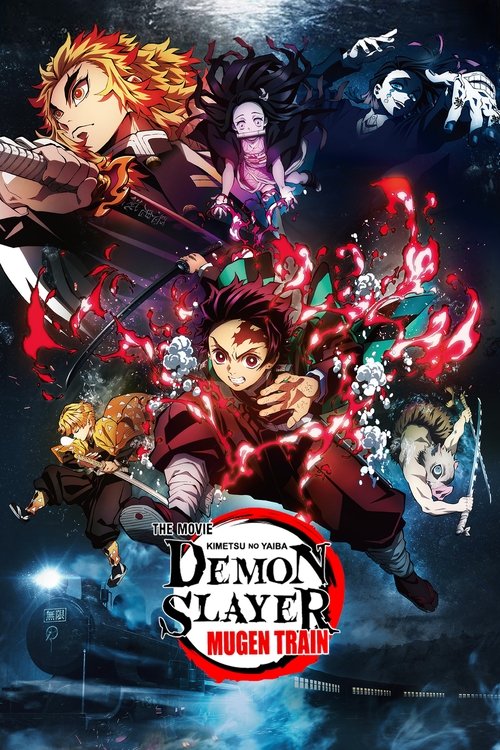
  • Mugen Train Ending Explained: Rengoku’s Stand and Why It Breaks Every Fan

    Mugen Train Ending Explained: Rengoku’s Stand and Why It Breaks Every Fan

    ⚠ Spoilers ahead

    The ending of Mugen Train is the moment Demon Slayer stops being only an exciting action story and becomes a story about loss. Flame Hashira Kyojuro Rengoku dies fighting the demon Akaza, after protecting the passengers of the Mugen Train, and his death changes Tanjiro forever. It breaks fans because it is not a trick, a fake-out or a villain’s cruelty alone: it is a hero choosing, clearly and knowingly, to stand his ground when running would have saved him.

    Enmu and the Dream Trap

    The first half of the ending is a trap of a different kind. The demon Enmu puts the passengers — and the Demon Slayers — to sleep, giving each of them a perfect dream. Tanjiro dreams of his family, alive and together, in the home he lost. Rengoku dreams of his own family. The dreams are beautiful precisely because they are lies, and the film makes the audience feel how tempting it would be to stay in them.

    Tanjiro escapes not because he is stronger than the dream, but because he knows it is false. He kills himself inside the dream, again and again, to wake up, a horrifying choice that shows how much he has already lost and how unwilling he is to lose the truth as well. When the Slayers wake, they discover that Enmu has merged with the train itself, and the battle becomes a race to protect two hundred passengers who cannot protect themselves.

    Rengoku Against Akaza

    After Enmu is defeated and the train is stopped, a far greater threat appears: Akaza, an Upper Rank demon, who is on a completely different level from anything Tanjiro has fought. Rengoku takes him on alone, because he is the only one who can. The fight is brutal and one-sided in terms of power, yet Rengoku never retreats. He uses his Flame Breathing to its fullest, injures Akaza, and refuses to become a demon when Akaza offers him eternal life in exchange for joining him.

    That refusal is the heart of the film. Akaza offers Rengoku what every dying hero might want: more time, more strength, no death. Rengoku turns it down because he believes a human life, lived fully and honourably, is worth more than an endless demonic one. He dies as the sun rises, with Akaza fleeing into the shadows, and his final moments are spent not in anger, but in encouragement for the young Slayers watching him.

    Why Rengoku’s Death Hits So Hard

    Rengoku’s death hits hard because the film spends its whole running time making the audience love him. He is loud, warm, funny and completely sincere — the opposite of the cold, calculating Hashira Tanjiro might have expected. He eats with joy, fights with joy, and treats Tanjiro, Zenitsu and Inosuke as comrades from the first moment. Losing him after only one film feels unfair, and that unfairness is deliberate. Demon Slayer is telling its audience, early, that this world does not protect its best people.

    His last words, urging Tanjiro to set his heart ablaze and to keep moving forward, become Tanjiro’s mission for the rest of the series. Tanjiro does not simply grieve Rengoku; he carries him. The tears at the end — Tanjiro screaming at the fleeing Akaza, calling him a coward for running from the sun — are not just grief. They are the moment a boy becomes a Slayer who understands what the fight will cost.

    What the Ending Sets Up

    Mugen Train ends with the Demon Slayer Corps mourning a Hashira, and with Tanjiro more determined than ever to become stronger. The Upper Ranks are now a real, personal threat, not a distant legend, and the audience understands the scale of what Muzan’s demons can do. Rengoku’s death also sets the emotional template for the rest of Demon Slayer: victories will come, but they will be paid for, and the characters the audience loves most are not safe.

    For another anime story where a mentor’s sacrifice shapes the hero, see Jujutsu Kaisen. For the full story, cast and where to watch, see the complete guide to Mugen Train on DuloTV.

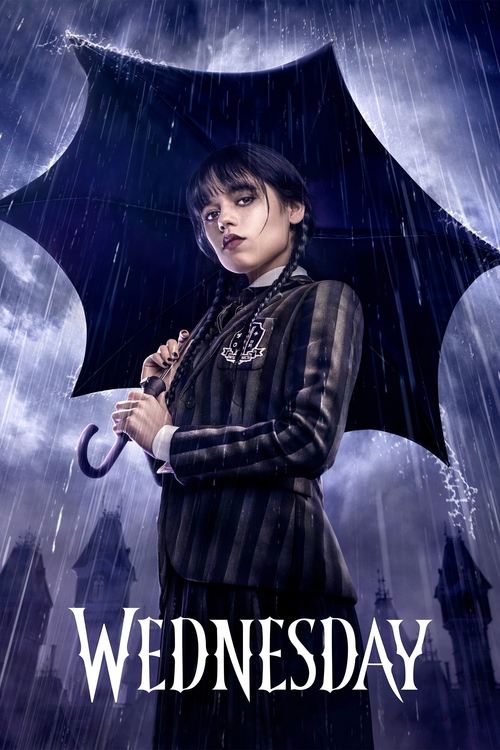
  • Wednesday Ending Explained: The Hyde’s Master and Season Arcs Wrapped Up

    Wednesday Ending Explained: The Hyde’s Master and Season Arcs Wrapped Up

    ⚠ Spoilers ahead

    The ending of Wednesday solves its central mystery in two reveals at once: the Hyde is Tyler Galpin, and his master is Marilyn Thornhill, whose real name is Laurel Gates. Together they explain the murders around Nevermore, the attempt to resurrect Joseph Crackstone, and why Wednesday — a girl who claims to need no one — ends the season surrounded by people she has finally let in. The finale is not just a monster reveal; it is the payoff for every friendship Wednesday spent the season resisting.

    The Hyde Is Tyler Galpin

    Tyler, the seemingly ordinary boy from Jericho who works at the coffee shop and flirts with Wednesday, is the Hyde: a monstrous creature that can be awakened and controlled by a master. That is why the attacks always seemed to follow Wednesday’s investigations, and why Tyler always seemed to be nearby without quite being guilty. He is not a villain who chose evil in a simple sense; he is a Hyde who has been manipulated, and his affection for Wednesday makes his reveal genuinely painful. Wednesday trusted him, in her own guarded way, and that trust is what Thornhill exploits.

    When Wednesday confronts Tyler, the fight is personal as well as physical. She must accept that the boy she liked was also the monster she was hunting, and that her famous ability to read people failed her where it mattered most. The show does not let her off the hook for that, which is why the reveal lands harder than a simple jump scare.

    Marilyn Thornhill Is Laurel Gates

    The master behind the Hyde is even more surprising. Marilyn Thornhill, the cheerful botany teacher who seems to be Wednesday’s only adult ally at Nevermore, is really Laurel Gates, a descendant of Joseph Crackstone, the pilgrim who founded Jericho and persecuted outcasts centuries earlier. Laurel’s plan is revenge dressed as restoration: use the Hyde to kill outcasts, gather Wednesday’s blood, and resurrect Crackstone so he can finish what he started.

    That motive reframes the whole season. The attacks were never random, and Thornhill’s kindness was never innocent. She befriended Wednesday precisely because she needed her — a descendant of Goody Addams, the witch who defeated Crackstone in the past. Wednesday’s visions, her connection to Goody, and her very presence at Nevermore were all part of a plan older than the school year.

    Crackstone, Enid and the Final Battle

    The climax brings all of these threads together. Crackstone is resurrected, Wednesday is wounded, and the battle seems lost — until Enid, who has spent the season unable to transform into a werewolf, finally wolfs out and saves her best friend. It is the season’s most satisfying payoff, because Enid’s transformation is not just a special effect; it is the proof that Wednesday’s friendships have changed the people around her, just as they have changed her.

    Wednesday then defeats Crackstone, with Goody’s help and her own refusal to give up, and Thornhill is stopped. The immediate threat ends, but the show is careful not to tie everything up neatly. Tyler is taken into custody, still dangerous, and the Hyde inside him is not gone. Victory, in Wednesday’s world, is always temporary.

    What the Ending Means for Wednesday

    By the final scenes, Wednesday leaves Nevermore changed, even if she would never admit it in those words. She has a best friend in Enid, a complicated bond with her family, and a new understanding of her own visions and her mother’s past. The last twist — a series of threatening messages from a stalker on her phone — also makes clear that her story is not over. Someone is still watching her, and the mystery that began with the Hyde has simply changed shape.

    That is why the Season 1 ending works as both a conclusion and a beginning. The Hyde’s master is unmasked, Crackstone is defeated, and the school is safe for now. But Wednesday has learned the lesson the season kept teaching her: she cannot solve everything alone, and the people she tried to push away are the reason she survives.

    For another Netflix story about a gifted outsider who learns to trust others, see The Queen’s Gambit. For the full story, cast and where to watch, see the complete guide to Wednesday on DuloTV.