Category: Articles

  • All of Us Are Dead Ending Explained: Half-Bies, Hambies and the Season 2 Setup

    All of Us Are Dead Ending Explained: Half-Bies, Hambies and the Season 2 Setup

    ⚠ Spoilers ahead

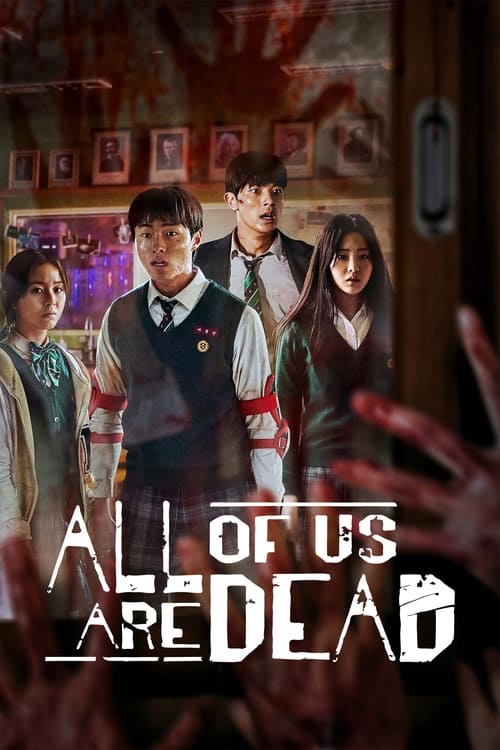
    The ending of All of Us Are Dead does not end with a cure, a rescue or a safe city. It ends with a new kind of survivor. The students who escape Hyosan High are alive, but the virus has already changed the rules: some people who are bitten do not fully turn, and those so-called half-bies, or hambies, may be the key to whatever comes next. The finale uses that twist to set up a second season that is less about a school under siege and more about a world learning to live with something it cannot bomb away.

    What Half-Bies and Hambies Are

    In the show’s language, a half-bie is a person who is infected but keeps their human mind. They gain zombie strength and resilience, yet they can still think, speak and choose. Nam-ra is the clearest example. After being bitten, she does not lose herself; she learns to control the hunger, to recognise her friends, and to protect them even when her instincts pull the other way. That makes her both a hope and a threat. To the military, she is proof that the virus can be survived in a new form. To ordinary survivors, she is proof that the line between human and zombie is no longer clear.

    The show is careful not to make half-bies superheroes. Nam-ra’s control is fragile, her senses are heightened in frightening ways, and she knows she could lose herself at any moment. That fragility is the point. A hambie is not a cure; it is a compromise between life and infection, and it forces the characters — and the audience — to ask whether someone who is partly infected still counts as human.

    Nam-ra’s Goodbye

    Nam-ra’s decision to leave the group is the emotional core of the finale. She could stay with On-jo, Su-hyeok and the others, but she knows that staying puts them in danger — from herself, and from soldiers who would see her as a specimen rather than a person. So she walks away, into a city that is still full of the infected, choosing isolation over the risk of hurting the people she loves. It is a quiet, painful scene, and it reverses the usual zombie-story logic. The monster is not the enemy here; the enemy is the fear that makes people turn on each other.

    Her goodbye also leaves a door open. Nam-ra does not die, and she does not disappear forever. She remains in Hyosan, watching, surviving, and — as the final scenes suggest — not alone. There are others like her, and their existence changes what a second season can be.

    Cheong-san’s Sacrifice

    The other great loss of the finale is Cheong-san. Throughout the series he has been On-jo’s protector, the boy who runs toward danger so others can run away. In the final episodes he makes that choice one last time, holding off the infected — and Gwi-nam — so On-jo can escape, as the school is destroyed around them. The show leaves his fate deliberately unresolved on screen: he is last seen in the blast, and the survivors believe he is gone, but the series never gives the audience a body to mourn in the usual way.

    That ambiguity is intentional, and it is part of the Season 2 setup. In a show where half-bies can survive what should kill them, a character’s apparent death is never quite final until the story says so. Whether Cheong-san returns, and in what form, is the question fans carried out of Season 1, and it is the question a second season would have to answer.

    The Season 2 Setup

    The final scene brings Nam-ra back to the survivors on a rooftop, months later, and tells them plainly that there are more half-bies and that the infected are evolving. The military quarantine has not solved the problem; it has only contained it for a while. A second season, therefore, would not simply repeat the school siege. It would follow a divided world: human survivors in camps, half-bies hiding between two worlds, and a virus that keeps changing. The students who once fought only to leave a building must now decide what kind of world they want to rebuild, and whether people like Nam-ra will be part of it or hunted by it.

    For another Korean survival story where the rules keep changing, see Alice in Borderland. For the full story, cast and where to watch, see the complete guide to All of Us Are Dead on DuloTV.
  • Alice in Borderland Ending Explained: The Borderlands’ True Nature Revealed

    Alice in Borderland Ending Explained: The Borderlands’ True Nature Revealed

    ⚠ Spoilers ahead

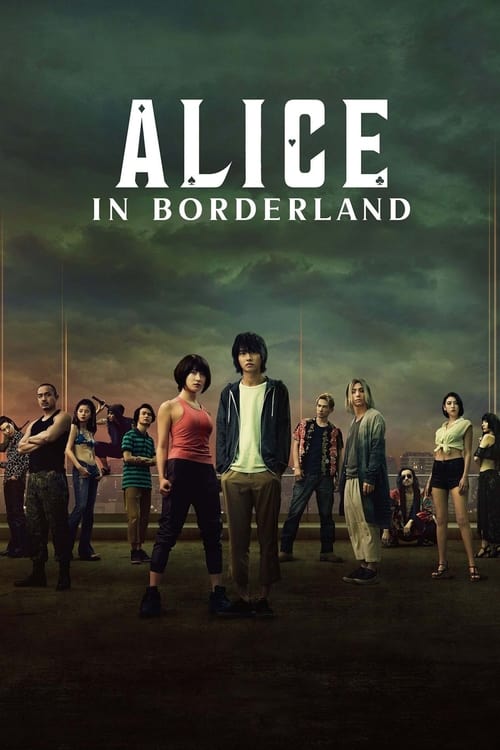
    The ending of Alice in Borderland answers the question the series has asked since Arisu first woke in an empty Tokyo: where is the Borderland, and why is everyone there? The answer is neither a simulation nor an alien experiment. The Borderland is a limbo between life and death, created by a real-world disaster, where people whose hearts stopped are given a chance to fight their way back to life. Once that is understood, the games, the visas and even the final choice all fall into place.

    A Limbo After the Meteorite

    In the world Arisu left behind, a meteorite struck Shibuya, killing and injuring many people in an instant. Those who survived the blast physically, but whose hearts stopped, found themselves in the Borderland — a copy of Tokyo stripped of ordinary people, where survival is decided by games. That is why the city looks familiar but empty, why phones and power behave strangely, and why no rescue ever arrives. The players are not trapped in another country or a virtual world. They are trapped between two states of being, and every game is a test of whether they still want to live.

    This also explains the visas. A visa is not a government document; it is a countdown. When it runs out, the player’s time in limbo ends, and with it, their chance to return. Winning games extends that time, which is why the Borderland rewards skill, teamwork and willpower — the very qualities a person needs to survive a catastrophe.

    Mira and the Queen of Hearts

    The final stage of the games brings Arisu face to face with Mira Kano, the Queen of Hearts, whose game is not physical at all. She tries to convince Arisu that everything — the Borderland, his friends, even his memories — is a delusion, and that he should simply give up and stay. Her weapon is despair disguised as kindness. If Arisu accepts her story, he loses not because he failed a puzzle, but because he stopped believing his life was worth returning to.

    Arisu wins by holding on to a single truth: his friends are real to him, and their shared suffering matters. Usagi’s presence, her refusal to let him surrender, and his own memory of the people he has lost break Mira’s illusion. The Queen of Hearts falls not to a clever trick, but to a decision — to keep living, even when living hurts. That is the thematic heart of the whole series.

    The Choice to Return

    After the face cards are defeated, the survivors are offered a choice: stay in the Borderland, or return to the real world. It is a genuine choice, and that is what makes it powerful. Some players, who have found purpose or love in limbo, might prefer to stay. Arisu, Usagi and the others who choose to return wake in a hospital, injured from the meteorite, with no clear memory of the games. They do not remember the Borderland as a story they can tell, but they carry its effects: a new determination, a changed view of life, and, in Arisu and Usagi’s case, a connection that survives even without the memory of how it formed.

    The ending is deliberately bittersweet. Returning does not erase the disaster, and the survivors must still rebuild their lives in a damaged city. What it does give them is a second chance they have earned, game by game, by refusing to give up when the Borderland gave them every reason to.

    What Later Seasons Add

    Later seasons return to the Borderland and to Arisu and Usagi, showing that the world between life and death is not closed forever and that new players can still be drawn into it. Those stories deepen, rather than replace, the original revelation: the Borderland remains a place where the will to live is tested, and where the choice to return must be made again and again. The core answer, however, does not change. The Borderland was never a punishment invented by a villain. It was the space between a disaster and a recovery, and the games were the way back.

    For another survival story where ordinary students must outlast an impossible system, see All of Us Are Dead. For the full story, cast and where to watch, see the complete guide to Alice in Borderland on DuloTV.

  • The Queen’s Gambit Ending Explained: Beth’s Moscow Match and the Orphanage Letter

    The Queen’s Gambit Ending Explained: Beth’s Moscow Match and the Orphanage Letter

    ⚠ Spoilers ahead

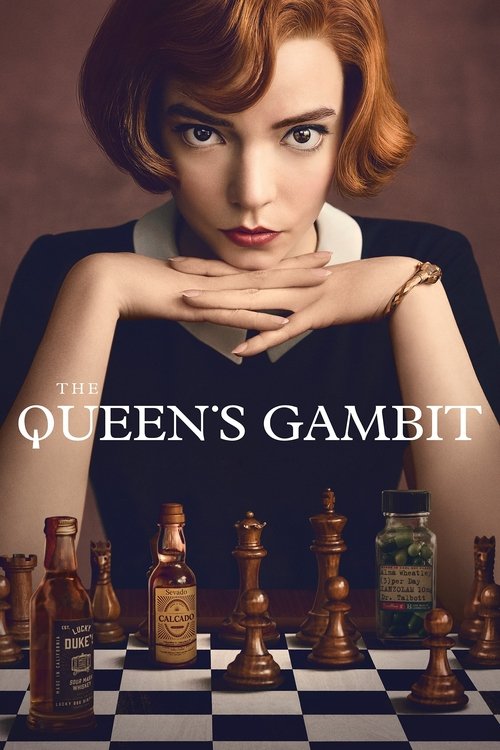
    The ending of The Queen’s Gambit gives Beth Harmon the victory she has chased since childhood, but it refuses to make that victory only about chess. In Moscow, Beth defeats world champion Vasily Borgov in their final match, not by returning to the pills and alcohol that once fueled her, but by finally accepting help. The last scenes then take her back to where she began — the orphanage, and a quiet park in Moscow — and show that the girl who learned chess in a basement has finally learned how to belong.

    The Moscow Match Against Borgov

    Borgov is the wall Beth has never quite climbed. He is calm, precise and unbeatable in her mind because he represents everything she is not: disciplined, supported by a system, and free of the chaos that has followed her since childhood. Their final match is therefore a test of character as much as of openings. Beth adjourns a difficult position and, instead of retreating into old habits, she telephones her friends in America. Benny, Harry, Townes and the other players she has beaten and befriended work through the position with her through the night. That phone call is the real turning point. The Beth of earlier episodes would have insisted on solving everything alone. The Beth in Moscow lets other people in.

    When play resumes, Beth finds the winning line and Borgov resigns. The applause in the hall matters, but what matters more is her composure. She does not collapse, boast or run. She shakes his hand, accepts the moment, and walks out as a champion who has earned the title on her own terms. The show never pretends that one win erases addiction or grief, but it does show that Beth can now win without destroying herself in the process.

    Why She Does Not Defect

    Moscow also tests Beth politically. The American press and officials around her want a story about defection, Cold War triumph and national pride. Beth refuses to be that story. She is in Moscow to play chess, not to become a symbol, and her refusal to be used is consistent with her whole journey. From the orphanage onward, institutions have tried to define her — as a problem child, as a prodigy, as a marketing opportunity. In the finale she finally defines herself. She thanks the crowd, she is gracious to Borgov, and then she slips away from the official celebrations to do something far more personal.

    That choice is also why the ending feels warm rather than merely triumphant. Beth is not running from Moscow, and she is not staying to be celebrated by strangers. She is choosing the part of chess she has always loved most: the game itself, played for its own sake, with people who love it too.

    The Orphanage and Mr. Shaibel

    Before Moscow, the finale takes Beth back to Methuen, the orphanage where she grew up. There, her childhood friend Jolene shows her something Beth never knew: Mr. Shaibel, the janitor who taught her chess in the basement, had followed her entire career. He kept newspaper clippings and photographs of her victories, pinned to his wall like a proud parent’s scrapbook. It is the closest thing the series gives Beth to a letter from her past — a silent message that she was seen, believed in and remembered by the first person who took her talent seriously.

    The revelation reframes Beth’s whole story. She believed she was alone, that her gift appeared from nowhere and that no one at Methuen cared. In fact, the quiet man in the basement had been watching all along. That knowledge does not fix her past, but it softens it. Beth’s genius was never only hers; it was planted by a teacher who asked for nothing in return, and the finale lets her finally receive that gift.

    The Final Park Scene

    The series ends where it should: not in a trophy hall, but in a Moscow park, where elderly men are playing chess on benches. Beth sits down, joins a game, and plays as an equal. No cameras, no stakes, no pills, no audience — just the board, the pieces and another human being. It is a mirror of her first games with Mr. Shaibel, and it completes a circle. The orphan who learned chess to escape her life now plays chess because she enjoys her life.

    For another Netflix story about a gifted outsider finding her place, see Wednesday. For the full story, cast and where to watch, see the complete guide to The Queen’s Gambit on DuloTV.

  • Money Heist Ending Explained: The Professor’s Last Plan and the Gold’s Real Fate

    Money Heist Ending Explained: The Professor’s Last Plan and the Gold’s Real Fate

    ⚠ Spoilers ahead

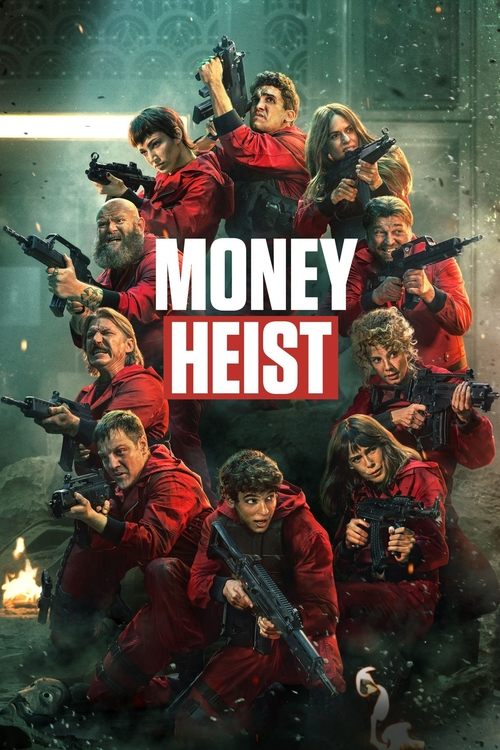
    The ending of Money Heist is not a simple escape. The Professor’s last plan is a negotiation, not a shootout: he trades the one thing the Spanish state cannot afford to lose — confidence in its gold reserves — for the lives and freedom of his gang. The finale therefore answers its central question in two ways at once. On the surface, order is restored and the gold is declared recovered. Beneath that official story, the gang walks away, and the Professor proves that his greatest weapon was never a gun or a vault, but a story the authorities needed to believe.

    The Professor’s Last Plan

    Throughout the final part, the Professor is running out of moves. The Bank of Spain is surrounded, his team is exhausted, and the army is closing in. His answer is to change the nature of the game. Instead of trying to outgun the state, he makes the state need him. If the public learns that the national gold reserve has been emptied, the economic damage would be enormous, and that fear gives him leverage. Colonel Tamayo, who has spent the heist demanding surrender, suddenly has to listen. The Professor’s plan, in other words, is to turn a robbery into a political problem that can only be solved by letting the robbers go. That is a fitting end for a character who has always preferred a plan, a disguise and a well-timed phone call to a frontal assault.

    The plan also depends on trust inside the gang. After so many betrayals, arguments and losses, the survivors must still follow the Professor’s instructions when they cannot see the whole picture. That discipline is what separates this crew from a simple gang of thieves. They are, by the end, a family that happens to rob banks, and the Professor’s authority rests on that bond as much as on his intellect.

    What Happens to the Gold

    The gold itself is the finale’s cleverest piece of misdirection. The gang has spent the heist melting it down and moving it out of the vault, a slow, dangerous process that makes the metal almost impossible to track in its original form. In the final negotiation, the state is given a recovery it can announce to the world. Tamayo can stand before the cameras and say that Spain’s reserves are safe, which calms markets and protects the government’s reputation. Whether every ingot is exactly where it started matters less, in narrative terms, than the fact that the state accepts the deal.

    That is the real fate of the gold in the story’s logic: it stops being treasure and becomes a bargaining chip. The Professor understands that gold only has power because people believe in it. By giving the authorities a public victory, he buys a private one for his people. The gang does not need to be seen carrying the gold away for the plan to work; it needs the people hunting them to stop hunting. The finale leaves the audience with that satisfying ambiguity — the official version and the gang’s version do not quite match, and the gap between them is where the Professor lives.

    Alicia Sierra and the Human Cost

    No explanation of the ending is complete without Alicia Sierra. She begins as the Professor’s most dangerous opponent, a brilliant investigator who is also pregnant, isolated and, eventually, betrayed by her own side. Her decision to help the Professor, rather than destroy him, is one of the finale’s most human moments. She chooses the people who have treated her as a person over an institution that has treated her as a tool. Her presence in the final scenes also reminds viewers what the heist has cost. The Professor’s plans are elegant on paper, but they are carried out by people who bleed, grieve and lose friends.

    That cost is felt most sharply in the absence of those who do not make it to the end. The finale is not a clean victory lap. It is a survival story, and the survivors carry the names of the fallen with them. The Professor’s last plan succeeds, but it succeeds at a price, and the show is honest about that price rather than pretending that cleverness makes loss painless.

    Why the Ending Works

    The ending works because it stays true to the show’s founding idea: the Professor is a man who planned a perfect crime and discovered that people are not as predictable as vaults. His final triumph is not that he outsmarts everyone forever, but that he finds a way for his team to live. The gang’s new identities and quiet freedom are the opposite of the fame they once courted in red jumpsuits and Dalí masks. They wanted to be legends; they settle, in the end, for being alive together.

    For another Netflix survival story where a group must outthink an impossible system, see Alice in Borderland. For the full story, cast and where to watch, see the complete guide to Money Heist on DuloTV.

  • Jujutsu Kaisen Season 3 Release Date: The Culling Game Arc, Episode Count and Where It Streams

    Jujutsu Kaisen Season 3 Release Date: The Culling Game Arc, Episode Count and Where It Streams

    Jujutsu Kaisen Season 3 release date news centres on the Culling Game arc, the next major chapter in Yuji Itadori’s story. The season has been confirmed as in development, but the exact release date is not officially confirmed yet. Fans should treat any specific day as unconfirmed until the official announcement arrives.

    What Is the Culling Game Arc?

    The Culling Game is a deadly battle-royale style event set up after the Shibuya Incident, in which sorcerers and cursed spirits are forced into a brutal competition with strict rules. It raises the stakes far beyond earlier seasons, because the participants are not only fighting for survival, but also being used as part of a larger plan.

    For Yuji, the arc is deeply personal. He is still carrying the consequences of what happened in Shibuya, and the Culling Game forces him to confront powerful new opponents while trying to protect the people around him. It is also a showcase for the wider cast, with sorcerers old and new drawn into the game.

    Episode Count: What Is Confirmed?

    The episode count for Jujutsu Kaisen Season 3 is not officially confirmed yet. Anime seasons of this scale are often split into parts or cours, and the Culling Game arc is long, so the season may be structured in a way that gives its many battles and character threads room to breathe.

    Until an official episode count is announced, fans should be cautious about numbers shared online, which may be speculation or based on earlier seasons. The safest guide is the official announcement, which will confirm how many episodes are planned and whether the season will air in one run or in parts. Comparing Season 3 to earlier seasons can be misleading, because a long arc may need a different structure from a shorter one.

    Where It Streams

    Jujutsu Kaisen has streamed internationally on Crunchyroll, and Season 3 is expected to follow the same pattern, subject to regional licensing. Exact streaming details, including whether episodes will be available weekly as they air in Japan, should be confirmed from official listings closer to release.

    Viewers who want to catch up should start with Season 1 and Season 2, including the Shibuya Incident arc, because Season 3 builds directly on those events. The story, the characters’ motivations and the state of the jujutsu world all carry over into the Culling Game.

    Checking official announcements rather than unofficial listings is the best way to avoid disappointment, because streaming availability can differ by region and can change before release.

    Why Season 3 Matters

    Season 3 is not just another season; it is the point where Jujutsu Kaisen moves from its earlier school-based stories into a larger, darker conflict that reshapes its world. The Culling Game introduces new sorcerers, new cursed techniques and new alliances, and it tests Yuji, Megumi and the other characters in ways they have not been tested before.

    That scale is part of what makes the wait so intense. Fans want to see how the animation studio handles the arc’s biggest battles, and how it balances action with the emotional weight that has always set Jujutsu Kaisen apart. The series has built its reputation on strong characters as much as on spectacular fights, and Season 3 will need both if it is to live up to expectations. That patience is part of being a fan of a long-running anime, where quality matters more than speed.

    For another anime with high-stakes battles and a hero fighting against overwhelming odds, Demon Slayer: Infinity Castle offers a different world, but a similar sense of danger and determination.

    For the full series guide, cast and trailer, see our complete Jujutsu Kaisen title page.

  • Demon Slayer: Infinity Castle Part 2 Release Date — The 2027 Window and Everything We Know

    Demon Slayer: Infinity Castle Part 2 Release Date — The 2027 Window and Everything We Know

    Demon Slayer: Infinity Castle Part 2 release date news is focused on a reported 2027 window, but the exact date is not officially confirmed yet. The Infinity Castle story is being told as a film trilogy, so Part 2 is the middle chapter of the final arc, following the first film and leading into the conclusion. Fans should treat any specific day as unconfirmed until the studios announce it officially.

    Why Infinity Castle Is a Trilogy

    The Infinity Castle arc is the climax of Demon Slayer, in which Tanjiro and the Hashira face Muzan Kibutsuji and the Upper Rank demons inside Muzan’s shifting fortress. It is too large, too action-heavy and too emotional to fit into a single film, which is why it was split into three parts. Each film can give its battles and character moments the space they deserve, rather than rushing through the manga’s final arc.

    That structure also raises expectations. The first film set a high bar for animation, music and emotional stakes, and Part 2 will be judged against it. A middle chapter has a difficult job: it must advance the story, deepen the characters and still feel complete on its own.

    The 2027 Window: What It Means

    The 2027 window reported for Demon Slayer Infinity Castle Part 2 should be read as a window, not a date. Anime films of this scale take time to produce, with detailed animation, voice recording and music, and a release window can shift as production progresses. The window gives fans a rough idea of when to expect the film, without promising a specific month or day.

    Official confirmation will come through a teaser, a trailer and a formal announcement from the studios and distributors. Until that announcement, fans should be cautious about dates shared on social media, which may be speculation, placeholder listings or misunderstandings.

    What Part 2 Needs to Cover

    Without spoiling specific outcomes, Part 2 is expected to continue the battles inside the Infinity Castle and to develop the Hashira and Tanjiro’s journey towards the final confrontation with Muzan. The arc is as much about the characters’ pasts and motivations as it is about sword fights, and the films have leaned into that emotional core.

    That balance is what makes Demon Slayer different from a simple action series. Its battles matter because viewers care about who is fighting and why, and Part 2 will need to keep that balance if it is to match the first film’s impact. The animation studio’s detailed, fluid style is a major part of that impact, and fans will expect the same quality in the second film.

    The trilogy format also means Part 2 will end on a note that sets up the finale, so viewers should expect a powerful cliffhanger rather than a fully resolved ending.

    Where to Watch and What to Do While Waiting

    When it is released, Infinity Castle Part 2 is expected to follow the same pattern as the first film, with a cinema release followed by streaming availability, subject to regional distributors. Exact streaming details and dates should be confirmed from official announcements closer to release.

    While waiting, rewatching the first Infinity Castle film and the earlier seasons is the best preparation, because the trilogy builds directly on them. Watching Tanjiro’s journey from the beginning also reminds viewers how far he has come, from a young swordsman protecting his sister to a fighter standing against the strongest demons. For another action-packed anime with high-stakes battles and a strong central hero, Jujutsu Kaisen offers a different world, but a similar sense of escalating danger.

    For the full series guide, cast and trailer, see our complete Demon Slayer: Infinity Castle title page.

  • Friends Season 11 or Another Reunion? What the Cast Has Said About Returning

    Friends Season 11 or Another Reunion? What the Cast Has Said About Returning

    Friends season 11 reunion talk never really goes away, because the show remains one of the most watched comedies in the world, decades after its finale. The clear answer, however, is that there is no Friends season 11 in production and none has been officially announced. The cast reunited once for a retrospective special, Friends: The Reunion, but that was a celebration of the show, not a new season, and the cast have generally treated the original series as finished.

    Why There Is No Season 11

    Friends ended in 2004 with its six main characters moving into new stages of life: Monica and Chandler starting a family, Ross and Rachel finally together, Phoebe married, and Joey heading to a new chapter. That finale was designed to close the story, not to leave a cliffhanger, and a season 11 would have to reopen lives that the show deliberately settled.

    The creators, David Crane and Marta Kauffman, have also said that they do not want to revisit the show as a scripted series. Their view is that Friends captured a specific time in its characters’ lives, their twenties and early thirties in New York, and that returning to them now would change what made the show special.

    What the Cast Has Said

    Jennifer Aniston, Courteney Cox, Lisa Kudrow, Matt LeBlanc, Matthew Perry and David Schwimmer have all spoken about Friends with affection, and they came together for the 2021 reunion special to look back on the show. That special, however, was unscripted: the cast talked, reminisced and revisited sets, rather than playing their characters in new episodes.

    Since then, cast members have generally said they are proud of the show and happy to have made it, without committing to a new season. Fans should be cautious about headlines claiming a cast member has confirmed season 11, and check whether the quote comes from a real interview or from a fan-made post.

    Another Reunion: What Could It Look Like?

    If another reunion happened, it would most likely follow the same format as the 2021 special: a retrospective, not a scripted season. A cast gathering, a documentary or a celebration would let fans see the actors together without asking them to play characters whose stories are complete.

    A scripted revival faces a deeper problem. Friends worked because of the chemistry of six actors at a particular age, in a particular city, at a particular time. Recreating that magic with older characters, different lives and modern New York would be a different show, and the risk of disappointing fans is high.

    How to Revisit Friends Now

    The best way to enjoy Friends now is to rewatch the original ten seasons, which remain widely available on streaming. The show’s humour, friendships and New York setting still hold up, and rewatching reveals jokes and storylines that are easy to miss the first time.

    Part of Friends’ staying power is its setting: Central Perk, the apartments and the city itself became characters in their own right, and fans still quote the lines and moments that defined the show. That shared language is why a reunion, even an unscripted one, draws such a large audience.

    For another ensemble comedy about friendship and work, The Office offers a very different style, but a similar focus on a group of people who become a family. Friends season 11 reunion hopes are understandable, but for now the original series and its reunion special are the complete story. That is also why the show keeps finding new viewers, who discover the friendships for the first time and then ask, like everyone else, whether there could be more.

    For the full series guide, cast and trailer, see our complete Friends title page.

  • The Office Follow-Up Series The Paper: Release Date, Cast and How It Connects

    The Office Follow-Up Series The Paper: Release Date, Cast and How It Connects

    The Office spin-off The Paper release date questions come from fans who want to know whether this is a reboot, a sequel or something entirely new. The Paper is a follow-up series set in the same mockumentary universe as The Office, but it is not a direct continuation of Dunder Mifflin. Instead, it follows a new workplace, a struggling local newspaper, with a new cast and a familiar documentary style. For the most current release and availability details, check Peacock’s official announcement, as release information can vary by region and over time.

    What Is The Paper?

    The Paper centres on a newspaper newsroom, a setting that works well for the mockumentary format. Like Dunder Mifflin, a newspaper office has a clear hierarchy, daily deadlines, clashing personalities and a sense of a workplace that is trying to survive in a changing world. That gives the show the same ingredients that made The Office work, without simply copying its characters or jokes.

    The documentary crew device returns as well, which is the key connection to The Office. The idea is that the same film crew that once documented a paper company has now turned its cameras on a newspaper, creating a shared universe rather than a shared cast.

    Cast: New Leads and a Familiar Face

    The Paper is led by a new ensemble, with Domhnall Gleeson and Sabrina Impacciatore among its central performers, playing characters at the heart of the newspaper. Their dynamic is meant to be the new show’s engine: different personalities, different ambitions, and the same kind of awkward, funny workplace tension that defined The Office.

    The most direct link to the original series is Oscar Martinez, played by Oscar Nunez, who returns in The Paper. His presence is a bridge between the two shows, reminding viewers that this is the same world, while keeping the focus on the new characters. Other original cast returns should be confirmed from official announcements rather than rumour lists.

    How It Connects to The Office

    The Paper connects to The Office through format, tone and the documentary premise, rather than through plot. Viewers do not need to remember every Dunder Mifflin storyline to follow it, but fans of the original will recognise the style: talking-head interviews, awkward pauses, workplace romances and a boss whose good intentions do not always match their competence.

    That approach is wise. A direct sequel with the same characters would invite constant comparison and risk disappointing fans. A follow-up in the same universe lets The Paper stand on its own while still rewarding viewers who loved The Office.

    A newspaper also gives the show a modern story to tell. Local journalism faces falling revenue, digital competition and questions about its future, just as the paper industry did in The Office. That parallel makes the new setting feel like a natural next step, not a random choice, and it gives the comedy a real-world edge.

    Release Date and Where to Watch

    The office spin-off the paper release date should be confirmed from Peacock’s official listings, because release dates and availability can differ by region and can change as new seasons are announced. The show is a Peacock original, so that service is the primary place to watch it, subject to regional availability.

    While waiting or catching up, rewatching The Office is the best preparation, especially its early seasons, which established the mockumentary style The Paper builds on. For another beloved workplace comedy with a strong ensemble, Friends offers a very different, but similarly character-driven, take on friendship and work.

    For the full series guide, cast and trailer, see our complete The Office title page.

  • Better Call Saul Season 7: Could the Breaking Bad Prequel Ever Return?

    Better Call Saul Season 7: Could the Breaking Bad Prequel Ever Return?

    Better Call Saul season 7 is a question fans keep asking, because the prequel ended so strongly that it is hard to believe there will be no more of Jimmy McGill, Kim Wexler and the world of Albuquerque. The honest answer, however, is that there is no Better Call Saul season 7 in production and none has been officially announced. The series was designed as a six-season story, and its finale was written as an ending, not as a cliffhanger.

    Why Better Call Saul Ended at Season 6

    Better Call Saul told the story of how Jimmy McGill became Saul Goodman, and then what happened after Saul Goodman fell. That arc had a clear beginning, middle and end: Jimmy’s struggle to be taken seriously, his descent into the criminal world, and his eventual reckoning in the present-day timeline, where he was living as Gene Takovic.

    The finale resolved Jimmy’s story in a way that left little room for a straightforward seventh season. He faced the consequences of his choices, and the show’s final scenes were about accountability, not about setting up another chapter. A season 7 would have to undo that resolution or invent a new story that the finale deliberately closed off.

    What the Creators Have Said

    Vince Gilligan and Peter Gould, the creators behind the Breaking Bad universe, have treated Better Call Saul as a complete work. They have not announced a seventh season, and they have spoken about the show as a finished story. Their approach has been to expand the universe through different characters and formats, rather than to keep extending a story that has already reached its conclusion.

    That does not mean the creators have closed the door on the universe forever. They have explored new projects outside the Breaking Bad world, and fans should watch for new original work from them, rather than expecting a return to Jimmy McGill.

    Could Jimmy McGill Return in Another Form?

    A return for Jimmy McGill is more plausible in a different form than a full season 7: a film, a special, or an appearance in another project. Bob Odenkirk’s performance as Jimmy and Saul is central to the show, and any return would need his involvement to feel authentic. But even that kind of return has not been confirmed, and fans should treat rumours about it as speculation.

    The strongest argument against a return is creative rather than commercial. Better Call Saul is widely regarded as one of the best prequels ever made precisely because it respected its ending. A weak return could damage that reputation, and the creators have shown they value a strong ending over an extra season.

    What to Watch Instead

    The best way to revisit the world is to rewatch Better Call Saul alongside Breaking Bad, because the two shows enrich each other. Watching Jimmy’s story with knowledge of where Saul Goodman ends up changes how every scene plays, and rewatching Breaking Bad after Better Call Saul gives new weight to Saul’s jokes, fears and compromises.

    Kim Wexler’s arc is a good example of why the ending works: her story was given a resolution that felt earned, and reopening it would risk undoing one of the show’s greatest achievements. That care for character is what makes the finale satisfying rather than frustrating.

    For another legal drama with a complex, morally grey lead, Breaking Bad remains the essential companion, while the prequel itself stands as a complete achievement. Better call saul season 7 remains unconfirmed, and until an official announcement says otherwise, fans should enjoy the six seasons we have.

    For the full series guide, cast and trailer, see our complete Better Call Saul title page.

  • Will There Ever Be a Breaking Bad Season 6? What the Cast and Creator Have Said

    Will There Ever Be a Breaking Bad Season 6? What the Cast and Creator Have Said

    The short answer to the Breaking Bad season 6 question is no: there is no Breaking Bad season 6 in production, and none has been officially announced. The series ended with its fifth season, and creator Vince Gilligan has consistently treated the story of Walter White as complete. That does not stop fans asking, because Breaking Bad remains one of the most discussed shows ever made, but it does mean that any season 6 news should be checked against official announcements first.

    Why Breaking Bad Ended When It Did

    Breaking Bad was designed as a transformation story: a chemistry teacher becomes a drug kingpin, and the audience watches every step of that change. By the end of season 5, that transformation was complete, and Walter White’s story had reached a natural, tragic conclusion. Extending the show beyond that point would have required undoing its ending or inventing a new reason for Walter to return, which would weaken the story that made the show great.

    Gilligan and his team have often spoken about the importance of ending a show while it is still strong. Breaking Bad is frequently cited as an example of a series that ended at the right time, and that reputation is part of why it still feels so complete. A forced sixth season would risk turning a perfect ending into a disappointing comeback.

    What the Creator Has Said

    Vince Gilligan has repeatedly said that Walter White’s story is finished. While he has continued to work in the same universe, through the prequel Better Call Saul and the film El Camino, he has not presented those projects as a continuation of Breaking Bad itself. They expand the world and deepen other characters, but they do not reopen Walter’s arc.

    That distinction is important. The existence of spin-offs does not mean a season 6 is likely. If anything, it shows the opposite approach: rather than reviving the main story, Gilligan has preferred to tell new stories around it, with different leads, tones and questions.

    What the Cast Has Said

    Bryan Cranston and Aaron Paul, who played Walter White and Jesse Pinkman, have both spoken fondly about the show and have returned for related projects, including El Camino and appearances in Better Call Saul. Their willingness to revisit the characters in those contexts is sometimes mistaken for support for a full season 6, but a cameo or a film is very different from a new season.

    Cast members have also acknowledged that the show’s ending was satisfying and that returning for a full season would be difficult to justify creatively. Fans should therefore treat any headline claiming the cast has confirmed season 6 with caution, and look for the original interview or announcement behind it.

    Could It Ever Happen?

    In television, almost nothing is truly impossible, and a revival could theoretically be announced one day. But breaking bad season 6 remains unconfirmed, and there is no credible evidence that it is in development. A more realistic hope for fans is further stories in the Breaking Bad universe, in the style of Better Call Saul and El Camino, rather than a direct continuation of Walter White’s story.

    For now, the best way to revisit the world is to rewatch the original series and its companion stories. That honesty is part of why fans keep asking, even while accepting that the story is over. For another crime drama about a man whose choices reshape his family, Better Call Saul shows how a prequel can deepen a story without undoing its ending.

    For the full series guide, cast and trailer, see our complete Breaking Bad title page.