Category: Articles

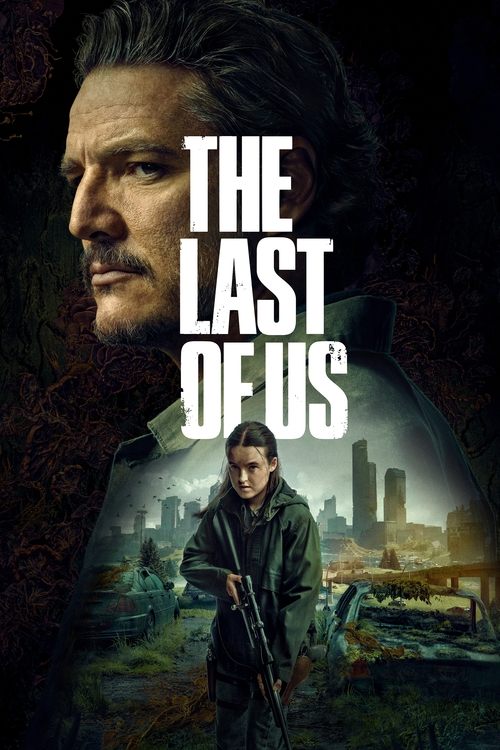
  • The Last of Us Season 2 Ending Explained: Ellie’s Choice and the Seattle Standoff

    The Last of Us Season 2 Ending Explained: Ellie’s Choice and the Seattle Standoff

    ⚠ Spoilers ahead

    The ending of The Last of Us season 2 does not end Ellie’s story. It ends her side of it — and then turns the camera around. After Ellie’s violent journey through Seattle, the finale reaches the theatre confrontation, where Abby kills Jesse and shoots Tommy, and Ellie is left facing Abby at gunpoint. Then, instead of resolving that standoff, the season cuts back in time to Abby’s perspective. The message is blunt: the revenge story has two sides, and the audience has only seen one of them.

    The Seattle Standoff, Explained

    Ellie goes to Seattle to avenge Joel, who was killed by Abby and her group at the start of the season. Along the way, she kills members of Abby’s group, including Nora, Owen and Mel. Each death is meant to bring her closer to Abby, but each one also costs her something: her certainty, her relationship with Dina, and her ability to see herself as simply the hero of the story.

    The theatre is where that cost comes due. Jesse arrives to help, and is killed by Abby almost immediately. Tommy is shot. Ellie, who has spent the season hunting Abby, suddenly becomes the person trapped in the room. The standoff is not a clean duel. It is a collision between two people who have both lost someone they loved, and who both believe their violence is justified.

    Why the Season Ends on Abby

    The most important choice in the finale is structural. Rather than showing who pulls the trigger, the season jumps back to Abby waking up in Seattle on the day her story began. This mirrors the game the season adapts, where players switch to Abby’s perspective after Ellie’s arc reaches its breaking point.

    The point is not to excuse Abby or to make Ellie the villain. It is to show that revenge, once it starts, does not stop with one death. Joel killed Abby’s father to save Ellie. Abby killed Joel to avenge her father. Ellie hunted Abby to avenge Joel. If the season ended with Ellie killing Abby, it would pretend that cycle had finished. By ending on Abby, it admits that it has not.

    Ellie’s Choice — and Its Cost

    Ellie’s choice is to keep going even when the people around her beg her to stop. Dina tries to build a life with her. Tommy tries to help her, and pays for it. Jesse tries to protect her, and dies for it. Ellie’s grief is real, but the season is clear that grief does not make every choice right. By the finale, she is no longer fighting only for Joel. She is fighting because stopping would mean admitting that all the killing has not brought him back.

    That is why the ending feels so uncomfortable. The audience has followed Ellie since the first season, and the finale asks them to sit with the consequences of her choices without the comfort of a victory. The theatre scene is not a triumph. It is a stalemate created by two grieving people who cannot see past their own loss.

    What Comes Next

    The Abby flashback sets up the next part of the story: her relationships, her own losses, and the events in Seattle from her point of view. Viewers who only know Ellie’s side will now see the same days through different eyes, including moments that Ellie misunderstood or never saw at all. That re-framing is the season’s final twist — not a death, but a change of perspective.

    For a similarly tense story about a mission that spirals out of control, see Fallout.

    For the full story, cast and where to watch, see the complete guide to The Last of Us on DuloTV.

  • Shogun Season 2 Release Date: FX’s Sequel Seasons, Cast and Filming News

    Shogun Season 2 Release Date: FX’s Sequel Seasons, Cast and Filming News

    Shogun season 2 release date is not officially confirmed yet, but the sequel seasons are real. FX renewed the Emmy-winning drama for seasons 2 and 3 after season 1 became a critical and awards success, even though the first season had been planned as a complete adaptation of James Clavell’s novel. That renewal changes the question: season 2 will not simply retell the book, but will continue the story beyond it, with new chapters in feudal Japan.

    Why FX Ordered More Shogun

    Season 1, which premiered on February 27, 2024, followed Lord Yoshii Toranaga, played by Hiroyuki Sanada, and the English navigator John Blackthorne, played by Cosmo Jarvis, as political rivalries, loyalty and survival collided in 1600s Japan. It won widespread praise for its production design, performances and careful attention to Japanese history and language, and it became one of FX’s most decorated series.

    Because season 1 covered the novel’s story, a second season needed a new creative justification. FX and the creators, Rachel Kondo and Justin Marks, returned to lead the continuation. Their plan is to build an original story that grows out of season 1’s ending, rather than inventing a repeat of it. That is why the wait is longer and why details have arrived slowly: the writers are creating new material, not adapting a second book.

    What Season 2 Could Be About

    Without a published sequel to follow, season 2’s plot remains largely unconfirmed, and fans should treat detailed plot leaks with caution. What can be said is that Toranaga’s rise, the political settlement at the end of season 1, and the fates of the surviving characters leave room for new conflict. Power in feudal Japan was never settled for long, and a continuation can explore how Toranaga consolidates control, how foreign influence grows, and how the characters who survived season 1 live with their choices.

    The show’s strength was never just spectacle. It was the way it showed politics as personal: alliances made through marriage, loyalty tested by duty, and ambition measured in patience. A second season that keeps that focus, while expanding the world beyond season 1’s locations and characters, would feel like Shogun rather than a generic historical epic.

    Who Could Return?

    Hiroyuki Sanada as Toranaga is the anchor of any continuation, and his return as both star and producer is central to the project. Cosmo Jarvis as Blackthorne is the other key figure, given his role as an outsider caught between cultures. Beyond those two, returning characters will depend on who survived season 1 and on the new story’s time frame, so a definitive cast list should wait for FX’s official announcements.

    That caution is especially important for Shogun, where several major characters did not survive season 1. Lists that promise the return of characters whose stories ended should be read sceptically unless FX confirms them. New characters, however, are almost certain: a wider story will need new lords, retainers, traders and rivals.

    Filming and Release: What to Expect

    Because no premiere date is officially confirmed, the honest timeline is a production window, not a date. A show of Shogun’s scale — large casts, period costumes, locations in Japan and Canada, and extensive post-production — takes a long time to make. FX typically announces a date only when production is well advanced, so fans should expect news in stages: casting and filming updates first, then a teaser, then a confirmed premiere.

    The renewal for two further seasons also suggests FX is thinking long-term. Season 2 is not a one-off revival, but the start of a new arc that could run through season 3. That patience is a good sign for quality, even if it frustrates viewers who want a date now.

    What to Watch While You Wait

    While waiting, season 1 remains the essential rewatch, rewarding attention to its political chess game and to details that may matter in season 2. For other prestige historical drama, Bridgerton offers a very different, lighter take on period storytelling, while The Bear shows how a modern FX hit balances character and craft.

    For the full series guide, cast and trailer, see our complete Shogun title page.

  • Adolescence Ending Explained: Jamie’s Plea and That Devastating Final Scene

    Adolescence Ending Explained: Jamie’s Plea and That Devastating Final Scene

    ⚠ Spoilers ahead

    The ending of Adolescence does not give the audience a courtroom verdict or a neat explanation for what Jamie did. Instead, it gives something harder: Jamie changes his plea to guilty, and the final scene leaves his parents alone in the bedroom he will not come home to. Eddie, his father, sits on Jamie’s bed, holds his teddy bear, apologises to his son and says he should have done better. That quiet moment is the show’s verdict — not on Jamie alone, but on the adults, schools, friendships and online world that surrounded him.

    What Jamie’s Plea Means

    Jamie’s decision to plead guilty matters because it removes the last hope his family was holding on to: that a trial might prove something different happened, or that someone else might be blamed. A guilty plea does not explain why Jamie killed Katie, and the show is careful not to pretend it does. What it does is force the family to stop waiting for an external answer and to face the reality that their son committed a terrible act.

    It also changes the story’s centre of gravity. Up to that point, much of the series has been about investigation, denial and the search for a cause. Once Jamie pleads guilty, the question shifts from what happened to what remains. His parents cannot undo the crime, protect him from prison, or restore the girl who died. They can only decide how to live with what they now know.

    The Final Scene, Explained

    The final scene stays with Eddie and Manda in Jamie’s bedroom, a room frozen in childhood. Eddie picks up the teddy bear, tucks it into bed, and speaks to Jamie as if his son were still there to hear him. He apologises, weeps, and says he should have done better. It is devastating precisely because it is so ordinary. There is no dramatic confrontation, no final twist, and no moment of forgiveness that makes the pain easier to watch.

    The scene also refuses to let Eddie off the hook or to make him a simple villain. He is a loving father who missed warning signs, who did not understand the online culture shaping his son, and who now has to carry that knowledge. His apology is not presented as a solution. It is presented as grief: the recognition that love, on its own, was not enough to stop what happened.

    Why There Is No Simple Cause

    Adolescence is often discussed as a show about social media, bullying and misogyny, and all of those forces are present. But its ending resists reducing Jamie to a single cause. The series shows a boy who felt humiliated, who sought status online, who misunderstood attention and rejection, and who was failed by adults who did not know how to talk to him about any of it. None of that excuses the murder. All of it explains why the show ends in a bedroom rather than a courtroom.

    That refusal to explain everything is what makes the ending feel so real. In life, families affected by such crimes rarely get a single, satisfying reason. They get fragments: a comment, a school incident, a change in behaviour they only recognise afterwards. Adolescence leaves the audience with those fragments, and with the parents trying to hold them together.

    What the Ending Leaves Behind

    By ending with Eddie rather than Jamie, Adolescence makes its final point clear: the story is not only about a boy who did something unthinkable, but about the people left behind to make sense of it. Jamie’s plea closes the legal question. It does not close the emotional one. His parents must still live in the house, walk past his room, and answer for a son the world now sees only as a killer.

    That is why the final image lingers. It is not a twist, but a reckoning — a father apologising to an empty bed, and a family learning that the hardest part of the story begins after the plea is entered. For a similarly devastating look at how a single choice destroys a family, see Ozark.

    For the full story, cast and where to watch, see the complete guide to Adolescence on DuloTV.

  • Fallout Season 2 Release Date: New Vegas Storyline, Cast and Prime Video Premiere News

    Fallout Season 2 Release Date: New Vegas Storyline, Cast and Prime Video Premiere News

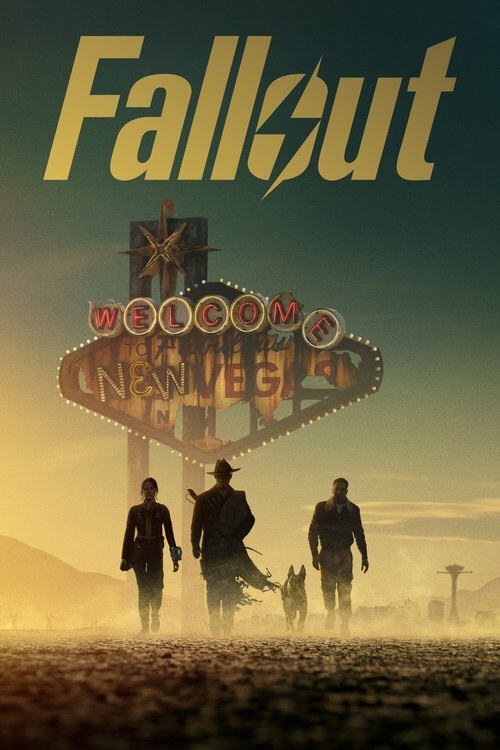
    Fallout season 2 release date news is good news for fans: the second season has arrived on Prime Video, taking the story beyond the Vaults and into New Vegas. After season 1 became one of Prime Video’s biggest hits, season 2 was one of the most anticipated returns in streaming, and it expands the world in exactly the direction long-time game fans hoped for. Here is what season 2 is about, who returns, and why New Vegas matters so much.

    From the Vaults to New Vegas

    Season 1 followed Lucy, played by Ella Purnell, as she left Vault 33 and discovered the brutal, darkly funny surface world. It also followed Maximus, played by Aaron Moten, in the Brotherhood of Steel, and the Ghoul, played by Walton Goggins, a centuries-old survivor with a long history. Season 2 continues those threads, but its headline destination is New Vegas, the glittering, dangerous city at the heart of the beloved game Fallout: New Vegas.

    New Vegas is more than a new location. In the games, it is a place where factions fight for control, where casinos and survival sit side by side, and where choices have real consequences. For the show, it offers a bigger canvas: new settlements, new power players and a deeper look at what happened to America after the bombs. It also raises the stakes for Lucy, whose search for answers takes her into territory where the old rules no longer apply.

    Who Returns in Season 2?

    The core trio returns: Ella Purnell as Lucy, Walton Goggins as the Ghoul and Aaron Moten as Maximus. Their dynamic was the heart of season 1, and season 2 builds on it, testing Lucy’s idealism, the Ghoul’s long memory and Maximus’s place in the Brotherhood. Around them, the show expands its cast with new faces tied to New Vegas and to the wider wasteland, while keeping the tone that made season 1 work: violence and satire, warmth and cynicism, often in the same scene.

    Viewers should be careful with cast lists that go beyond official announcements. Prime Video and the show’s creators are the reliable sources for who is new, who returns and in what role. The show has already shown it can surprise, so official trailers and episode credits are worth more than rumour roundups.

    What the New Vegas Storyline Means for the Games

    One reason season 2 excites game fans is that it treats the games with respect without simply replaying them. Season 1 told an original story set in the Fallout universe, with references and Easter eggs for players, but it did not require viewers to have played anything. Season 2 continues that approach in New Vegas, drawing on the game’s atmosphere, factions and moral grey areas while telling its own story.

    That balance is why Fallout works for both audiences. New viewers get a clear, character-driven adventure, while players recognise locations, ideas and jokes. The show’s success also shows how a game adaptation can work when it understands the source material’s tone, not just its plot points.

    How to Watch Season 2

    Fallout season 2 is available on Prime Video, alongside season 1, so new viewers can start from the beginning and catch up before diving into New Vegas. The two seasons together make a satisfying arc: season 1 establishes the world and its characters, while season 2 widens the map and deepens the mystery behind the Vaults, the Brotherhood and the Ghoul’s past.

    For other large-scale genre worlds, The Last of Us offers a more grounded post-apocalyptic drama, while Shogun shows how a prestige adaptation can honour its source material while standing on its own.

    For the full series guide, cast and trailer, see our complete Fallout title page.

  • Violet Evergarden Ending Explained: The Major’s Last Words and the Final Letter

    Violet Evergarden Ending Explained: The Major’s Last Words and the Final Letter

    ⚠ Spoilers ahead

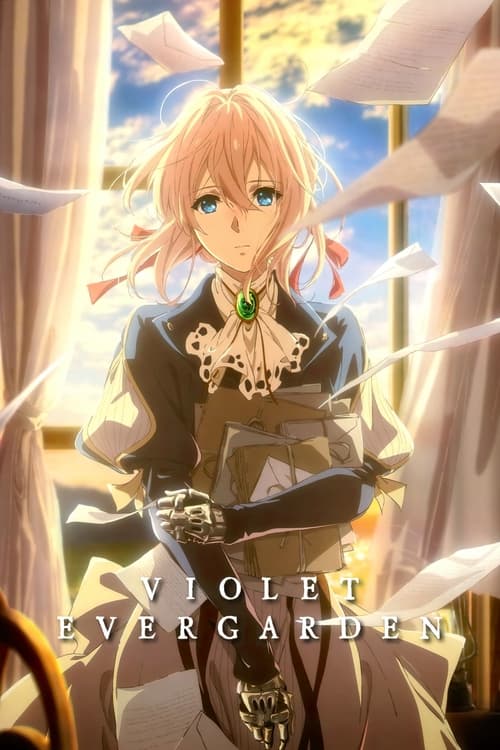
    The ending of Violet Evergarden is, at its simplest, the moment Violet finally understands the words she has spent the whole series transcribing for other people. Major Gilbert Bougainvillea’s last words to her — that he loves her — were not a military order or a farewell to be filed away. They were a feeling she had to learn to recognise in herself before she could answer them. The television series ends with that understanding, and the follow-up film gives it a reunion: Gilbert, long believed dead, is alive, and Violet finally gets to speak to him as an equal, not as a weapon awaiting orders.

    What the Major’s Last Words Really Meant

    When Gilbert tells Violet he loves her in the chaos of war, she hears the sentence but does not yet have the emotional language to hold it. Raised as a soldier, she was taught to follow orders, not to name feelings. Her work as an Auto Memory Doll — writing letters for clients who cannot express themselves — becomes her education. Each letter teaches her a different shape of love: grief, gratitude, apology, longing and hope. By the end of the series, she is no longer just copying other people’s emotions. She can recognise her own.

    That is why the Major’s words are not a simple romance line. They are the question the whole series asks: what does it mean to be told you are loved when you do not yet know what love is? Violet’s answer takes a season to form, and it is formed through work, loss and the clients who trust her with their most private words.

    The Final Letter, in Two Parts

    The series finale is often described as Violet’s final letter, but it is better understood as two endings working together. In the television series, Violet’s growth reaches its point of arrival when she writes and delivers words that are truly hers, and when she accepts that Gilbert’s love was real even if she may never see him again. The series does not need to resurrect him to prove that point. Its ending is about Violet becoming a person who can live with both love and loss.

    The film then adds the second part. It reveals that Gilbert survived, living quietly and carrying his own guilt about what Violet endured because of him. When Violet finds him, the final letter is no longer a one-way message into the past. It becomes a conversation. Gilbert can finally say what he meant, and Violet can finally say what she has learned. The film does not undo the series ending; it completes it by letting Violet choose Gilbert freely, rather than simply waiting for him.

    Why the Ending Feels Bittersweet, Not Just Happy

    A straightforward reunion would have been easier, but it would have missed the point. Violet and Gilbert have both been changed by war, and their reunion is quiet rather than triumphant. Gilbert’s survival does not erase the years Violet spent believing he was gone, or the clients whose letters she wrote while she was still learning to feel. The ending works because it honours that cost. Violet does not return to being a soldier. She returns as a woman who has built a life, a profession and a voice of her own, and who can now decide what comes next.

    That is also why the final scenes focus on letters rather than battles. A letter is the show’s central image for a feeling that survives distance and time. Gilbert’s words survived the war because Violet carried them, even when she did not understand them. Her reply survives because she finally learned how to write it herself.

    What to Take Away From the Ending

    Violet Evergarden ends with a simple, hard-won idea: love is not proved by a single dramatic declaration, but by the slow work of understanding another person and yourself. Gilbert’s last words matter because Violet spends a whole story learning what they mean. The final letter matters because it is the first time she can answer them in full. Like The Promised Neverland, where a hero’s sacrifice is measured by what she gives up for others, Violet’s ending is about a debt repaid not with violence, but with honesty.

    For the full story, cast and where to watch, see the complete guide to Violet Evergarden on DuloTV.

  • The Last of Us Season 3 Release Date: Abby’s Story, Filming Updates and HBO Plans

    The Last of Us Season 3 Release Date: Abby’s Story, Filming Updates and HBO Plans

    The Last of Us season 3 release date is not officially confirmed yet, but the season itself is certain. HBO renewed the hit drama before season 2 had finished airing, and the story is far from finished. Season 2 ended with a major shift in perspective, setting up a third season that is expected to focus on Abby, the character whose arrival changed everything. For fans, the question is no longer whether season 3 will happen, but when it will arrive and how much of the second game it will cover.

    What HBO Has Confirmed So Far

    HBO’s renewal is the one fact fans can rely on. The network confirmed a third season in April 2025, a vote of confidence that reflected both critical acclaim and strong viewing. What HBO has not done is announce a premiere date, a filming schedule in detail, or an episode count for season 3. Any specific date circulating online should therefore be treated as speculation unless it comes from HBO, Max or the show’s creators.

    That caution matters because The Last of Us is a demanding production. It shoots on location, builds large sets, uses extensive visual effects and requires long post-production. The gap between seasons is therefore likely to be measured in years rather than months, even if filming moves quickly. Viewers should expect a wait, and should be wary of articles that present a guessed year as a confirmed date.

    Abby’s Story Takes Centre Stage

    The most important story fact about season 3 is its expected focus. Season 2 adapted the early part of The Last of Us Part II, following Ellie, played by Bella Ramsey, on a journey driven by grief and revenge. It also introduced Abby, played by Kaitlyn Dever, whose own story is central to the game. In Part II, players spend a large section seeing events from Abby’s point of view, learning her history, her loyalties and her reasons.

    Season 3 is therefore expected to give Abby the same depth. That structure is controversial for some viewers, but it is also what makes Part II distinctive: it asks the audience to understand a character they initially see as an antagonist. The show has already shown it is willing to make bold structural choices, and a season built around Abby would continue that approach. It would also explain why the showrunners split Part II across more than one season, rather than rushing it into a single run.

    Who Could Return?

    Bella Ramsey as Ellie and Kaitlyn Dever as Abby are the two names most central to season 3’s expected story. Beyond them, returning characters will depend on which parts of the game the season adapts and on the show’s own timeline choices. Pedro Pascal’s Joel remains central to the story’s emotional weight, even after season 2’s events, through memory, flashback and consequence, but viewers should not assume a simple return in the same role.

    The show has also shown a willingness to expand the game’s world with original scenes and characters, so season 3 may include faces that were not central in the game. Until HBO or the creators announce a cast list, however, any list of returning names is best read as expectation, not confirmation. The safest way to follow casting news is to wait for official announcements rather than rumour roundups.

    Filming and Release Window: What to Expect

    Because no premiere date is officially confirmed, the honest answer about timing is a window, not a date. A prestige HBO drama of this scale typically needs a long production and post-production period, and HBO tends to announce dates only when it is confident in them. Fans should therefore expect news in stages: first a filming update or a production announcement, then a teaser, then a confirmed date.

    That staged pattern is normal for HBO. It also means that the absence of a date is not a sign of trouble. The renewal, the source material and the show’s success all point in the same direction: season 3 is coming, and it will take the time it needs to do Abby’s story justice.

    What to Watch While You Wait

    While waiting, the first two seasons remain available on Max, and a rewatch reveals how carefully the show plants clues about Abby and about Ellie’s choices. For other prestige drama, Fallout offers a different kind of post-apocalyptic world-building, while Severance shows how a slow-burn mystery can reward patience.

    For the full series guide, cast and trailer, see our complete The Last of Us title page.

  • Will There Be a Squid Game Season 4? The Future of Netflix’s Biggest Series Explained

    Will There Be a Squid Game Season 4? The Future of Netflix’s Biggest Series Explained

    Will there be a Squid Game season 4? The short answer is no, not as a direct continuation of Gi-hun’s story. Creator Hwang Dong-hyuk designed the third season, released in 2025, as the conclusion to the main series, and Netflix presented it as the final season. That does not mean the world of Squid Game is finished, but it does mean fans should not expect a straightforward season 4 with the same characters and the same games.

    Why Season 3 Was the End of the Main Story

    Squid Game ran for three seasons and 22 episodes, from its debut on September 17, 2021, to its final season in 2025. The story followed Seong Gi-hun, played by Lee Jung-jae, from a debt-ridden player to a winner haunted by what he had seen, and then to a man who returned to the games to try to stop them. By the end of season 3, that arc had reached its natural conclusion. Continuing it simply to keep a hit going would have risked undoing the ending’s impact.

    Hwang has spoken about the physical and emotional toll of making the series, and about wanting to tell a complete story rather than an endless one. That creative choice is worth respecting: Squid Game’s power comes from its focus on debt, inequality and choice, not from endless new games. A fourth season that repeated the same structure without a new idea would feel like a copy of itself, however popular the brand remains.

    What About Spinoffs and the Squid Game Universe?

    While a season 4 is not expected, the Squid Game universe is a different question. Netflix has expanded successful franchises before, and Squid Game’s world is rich enough to support other stories: the organisation behind the games, the guards and the Front Man, players from other countries, or the games’ origins. None of that, however, should be presented as confirmed until Netflix announces a specific project with a title, a creator and a date.

    Rumours about American or international versions have circulated for years, and they are best treated as rumours until an official announcement arrives. The difference matters: a spinoff is not season 4, and a remake or a new story in the same world would not necessarily bring back Gi-hun or continue his storyline. Fans searching for season 4 should therefore separate three ideas: a direct sequel, a spinoff, and a new project inspired by the original. Only the first is the question most people mean, and that one appears closed.

    What Made Squid Game So Big?

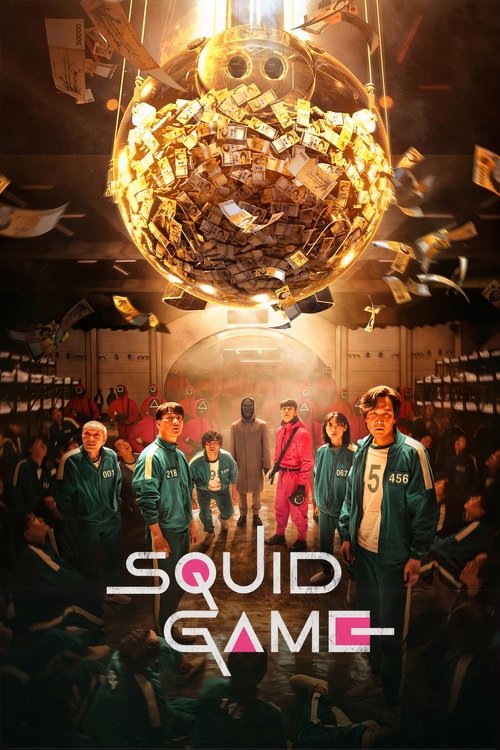
    Understanding why season 4 is unlikely also means understanding why the show mattered. Squid Game took children’s games and turned them into a deadly competition for people crushed by debt, and it did so with visual flair, memorable characters and a sharp social critique. The pink-suited guards, the giant doll, the dalgona candy and the green tracksuits became global symbols almost overnight. Its success also proved that a non-English-language series could become Netflix’s biggest hit, changing how the industry thinks about subtitles, dubbing and global audiences.

    That cultural impact is why the ending was so closely watched. A final season has to satisfy viewers who invested years in Gi-hun’s fate, while also saying something about the system he fought. Whether viewers agree with every choice, the finale was designed to close the book, not to leave a cliffhanger begging for season 4.

    What to Watch Next

    If you miss Squid Game’s tension, Stranger Things offers a different kind of high-stakes ensemble drama, while Wednesday shows how Netflix builds a hit around a single unforgettable lead performance. Both are useful next watches, but neither replaces Squid Game’s specific mix of social commentary and survival-game suspense.

    For the full series guide, cast and trailer, see our complete Squid Game title page.

  • The Promised Neverland Ending Explained: Emma’s Deal and What the Anime Changed

    The Promised Neverland Ending Explained: Emma’s Deal and What the Anime Changed

    ⚠ Spoilers ahead

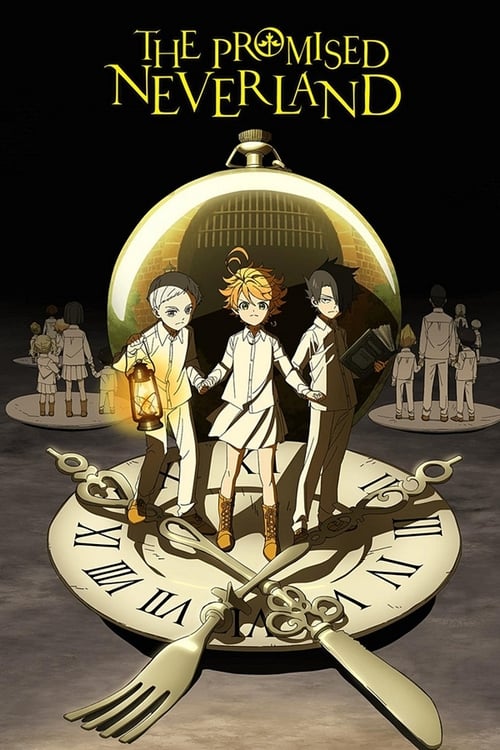
    The ending of The Promised Neverland comes down to one choice: Emma refuses to save her family by destroying someone else’s. In the manga, she renegotiates the ancient Promise so that every child from the farms can reach the human world, and she pays a personal price for that bargain. The anime reaches a broadly similar destination — the Grace Field children escaping toward the human world — but it gets there much faster, cutting major manga arcs and softening the cost and consequences that make the manga ending hit so hard.

    What Emma’s Deal Really Means

    In the story’s mythology, the Promise is the bargain that divided the worlds: demons would receive children raised on farms, and in return they would leave humans alone. Emma’s journey is an attempt to rewrite that bargain rather than simply break it. She does not want a victory built on another massacre, even after everything the demons have done to children like Conny and the other Grace Field escapees. That moral line is the heart of the ending. Emma argues that a future in which humans are safe only because demons are exterminated is not really freedom, and it would turn the survivors into the very thing they fled.

    In the manga, that argument leads to a new Promise. Emma offers herself as the price, and the cost is her memories of the family she fought to save. She reaches the human world, but separated from Norman and Ray and from the children who know her name. The final chapters then close the circle: Norman and Ray find her again, and Emma, even without her memories, responds to the people who never stopped looking for her. It is bittersweet rather than triumphant, because the rescue succeeds and the rescuer does not remember why she was rescued.

    Why Norman’s Plan Matters So Much

    Norman’s plan is the ending’s great counter-argument. Having survived and learned how the demon world works, he concludes that the only safe future is one without demons. His plan is logical, ruthless and, from his point of view, protective: destroy the enemy before the enemy can destroy the children again. Emma’s refusal is not naive in the manga’s telling, because she has also seen demon cruelty up close. She simply refuses to accept that safety requires genocide, and she searches for a third way that does not sacrifice either side’s future.

    What the Anime Changed

    The anime’s second season compresses and, in places, rewrites the manga’s final stretch. The Goldy Pond arc, the long search for the Seven Walls, and much of the slow build toward the new Promise are skipped or reduced to brief scenes. As a result, the anime’s Emma still stands against Norman’s plan and still leads the children toward the human world, but the reasoning, the sacrifices and the supporting characters who make that choice meaningful have far less room to breathe.

    The biggest change is therefore one of weight rather than direction. The anime keeps the destination — escape, reunion and a human world beyond the farms — while losing much of the journey that explains why that destination matters. Viewers who watch only the anime can reasonably finish season two wondering what exactly Emma traded, why the demon world suddenly changes course, and why a story that began as a tense escape thriller ends in a montage. The manga answers those questions in detail; the anime asks you to accept its answers on trust.

    What the Ending Is Really About

    Strip away the fantasy, and The Promised Neverland ends as a story about what children are owed. Emma, Norman and Ray were raised to be eaten, taught to be grateful, and told that obedience was love. Their ending rejects that bargain in two ways: first by escaping, and then by refusing to build their freedom on someone else’s destruction. That is why the memory loss matters so much in the manga. Emma does not get to enjoy the ending she created in the way a hero normally would. She gives the children a future, and the story asks whether that future is still worth it when the person who paid for it cannot remember it.

    The answer the manga gives is quiet and hopeful: yes, because the bonds Emma built do not disappear just because her memories do. Norman and Ray return for her, just as she once returned for the youngest children at Grace Field. Like other anime with endings that hinge on memory and sacrifice, such as Violet Evergarden, the point is not that the past is erased, but that love can be rebuilt from the people who refuse to let go of it.

    For the full story, cast and where to watch, see the complete guide to The Promised Neverland on DuloTV.

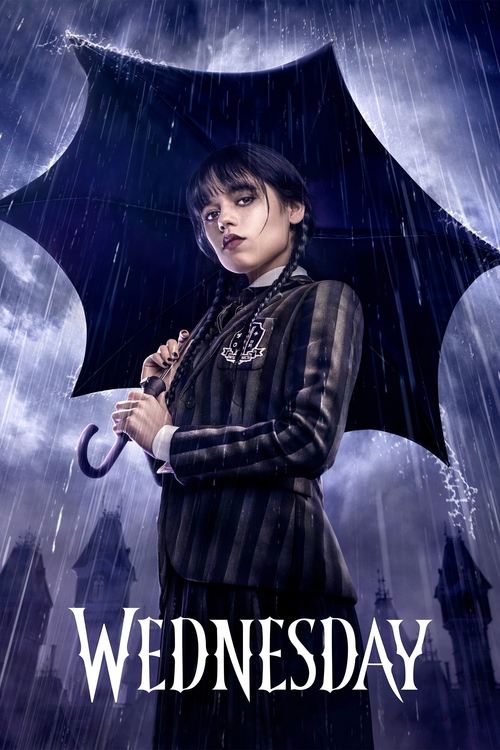
  • Wednesday Season 3: Release Date News, Cast Returns and Story Clues

    Wednesday Season 3: Release Date News, Cast Returns and Story Clues

    The Wednesday season 3 release date is not officially confirmed yet, and that is the most important thing to know before you trust any date you see shared online. Netflix has not announced a specific premiere day for a third season, so any exact date circulating without an official source should be treated as speculation. What fans can do instead is follow the clues: the show’s production pattern, the story threads left open at Nevermore, and the cast whose return would be essential to any new season.

    Is Wednesday Season 3 Confirmed?

    Wednesday became one of Netflix’s biggest hits with its first season in 2022, and its second season continued that run in 2025. A show of that size naturally generates renewal talk, but renewal talk is not the same as a confirmed release date. Until Netflix issues an official announcement with a date, the honest answer remains that the date is not officially confirmed yet, with the expected window depending on when filming and post-production begin. Fans should watch Netflix’s own channels, Tudum and the show’s official accounts for the first reliable update.

    That caution matters because Wednesday’s production is not simple. The show films on elaborate sets, uses extensive visual effects for creatures and powers, and centres on a lead performance that carries almost every scene. Those factors mean a gap between seasons is normal, even for a hit. A longer wait does not necessarily signal trouble; it often signals that the new season is being built carefully rather than rushed.

    Who Would Return in Wednesday Season 3?

    Any third season would be hard to imagine without Jenna Ortega as Wednesday Addams. Ortega’s deadpan delivery, physical comedy and emotional restraint define the series, and Wednesday’s journey is the story. Around her, the Addams family and Nevermore community give the show its shape: Catherine Zeta-Jones as Morticia and Luis Guzman as Gomez provide the family heart, while the school’s students and staff provide mystery, rivalry and friendship.

    That said, no cast list for a third season should be presented as confirmed until Netflix or the production announces it. Actors’ availability, story choices and contracts all affect who returns, and supporting characters can change from season to season. The safest way to think about casting is in terms of what the story needs: Wednesday herself, her family, and a new set of faces at Nevermore to challenge her. New characters are often where a season finds fresh energy, and Wednesday has room to introduce them without losing its core.

    Story Clues and What Season 3 Could Explore

    Wednesday works best when it balances two things: a supernatural mystery and Wednesday’s reluctant growth. She does not want friends, yet she keeps making them. She does not want help, yet she keeps needing it. A third season could push that tension further by testing her loyalty to Nevermore, her relationship with her family, and her control over her psychic visions. Those visions have always been both a gift and a danger, and they give writers a natural way to launch a new mystery.

    The show also has a rich world to draw on. Nevermore Academy, the town of Jericho, the Addams family history and the wider world of outcasts all offer storylines that do not require repeating the same villain or the same structure. The best clue to season 3’s direction may therefore be thematic rather than plot-specific: Wednesday learns, slowly and unwillingly, that connection is not weakness. Any new season that honours that idea, while delivering a proper mystery, will feel like Wednesday at its best.

    What to Watch While You Wait

    While waiting for official news, the first two seasons remain available on Netflix, and they reward a rewatch: early clues, background details and character moments land differently once you know how each mystery resolves. For similar supernatural school drama, Stranger Things offers a larger ensemble and a longer mythology, while Squid Game shows another side of Netflix’s global hit-making, with tension built around games rather than ghosts.

    Until Netflix confirms a date, treat every Wednesday season 3 release date claim with care, and check back for official updates. For the full series guide, cast and trailer, see our complete Wednesday title page.

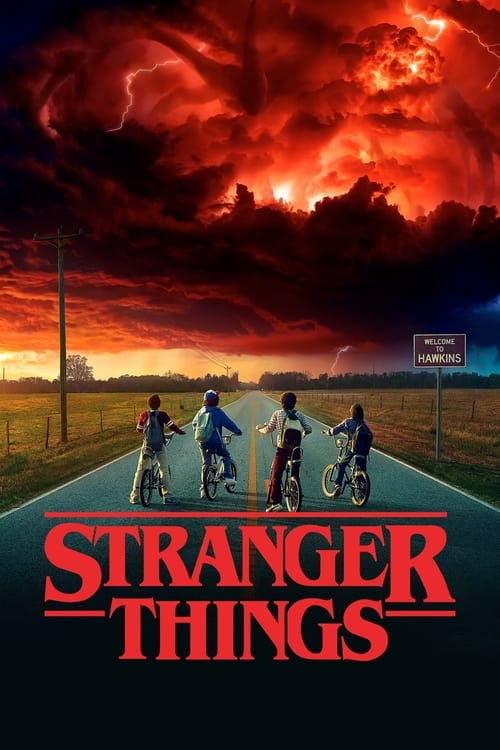
  • Stranger Things Season 5 Release Date: Final Season Premiere, Episode Split and What We Know

    Stranger Things Season 5 Release Date: Final Season Premiere, Episode Split and What We Know

    Stranger Things season 5 is the final season of Netflix’s Hawkins saga, and it arrived in three parts: Volume 1 on November 26, 2025, Volume 2 on December 25, 2025, and the series finale on December 31, 2025. That split release, announced by Netflix, meant fans had to wait through the holidays for the last chapter, but it also gave each block room to breathe. If you are searching for the Stranger Things season 5 release date, those three dates are the confirmed answer, not a rumour or a placeholder window.

    When Did Stranger Things Season 5 Come Out?

    Netflix confirmed the staggered plan well ahead of launch. Volume 1 contained the first four episodes, Volume 2 added three more, and the finale closed the story on New Year’s Eve. The approach followed the pattern set by season 4, which also arrived in two volumes, but season 5 pushed the event feel further by stretching the ending across Thanksgiving, Christmas and New Year’s Eve. For viewers catching up now, the whole season is available to stream in full, so the split matters mainly as a piece of release history and as a guide to how the story was paced.

    The final season picks up after the events of season 4, with Hawkins still scarred by the Upside Down breaking through into the real world. The military presence, the rifts and the town’s fear all raise the stakes beyond a simple monster hunt. The Duffer Brothers, who created the series, framed season 5 as a return to the show’s roots: the original group of friends, the town they grew up in, and the friendship that has carried the story since Will Byers first disappeared in 1983.

    The Episode Split Explained

    The episode split was not just a marketing trick. Volume 1 re-establishes Hawkins, checks in on Eleven, Mike, Dustin, Lucas, Will and the rest of the group, and sets Vecna’s next move in motion. Volume 2 tightens the tension and forces difficult choices, while the finale has to resolve a decade of storylines, from Eleven’s powers to Hopper and Joyce’s relationship and the fate of Hawkins itself. Watching in those blocks mirrors how the season was designed to be discussed: each volume ends on a moment big enough to sustain weeks of speculation.

    That structure also helped Netflix keep Stranger Things at the centre of the conversation for more than a month. Rather than a single weekend binge, the season became a rolling event, with trailers, interviews and fan theories filling the gaps between volumes. For new viewers, the good news is that you can now watch at your own pace, but the volume breaks still work as natural stopping points if you want to savour the ending.

    Cast and Story: What the Final Season Is About

    The core cast returned for the final run, including Millie Bobby Brown as Eleven, Finn Wolfhard as Mike, Gaten Matarazzo as Dustin, Caleb McLaughlin as Lucas, Noah Schnapp as Will, Sadie Sink as Max, David Harbour as Hopper and Winona Ryder as Joyce. Their characters have grown up on screen, and season 5 leans into that maturity: these are no longer just kids on bikes, but young adults carrying trauma, responsibility and the knowledge that Hawkins may never be normal again.

    Story-wise, the final season centres on the fight against Vecna and the Upside Down itself. Will’s connection to the other dimension, which has been present since the very first episode, becomes central rather than background detail. Max’s fate after season 4, Eleven’s search for a life beyond being a weapon, and the town’s willingness to believe what it has seen all feed into the climax. The show balances horror, 1980s nostalgia and character drama, but the final season puts character first: the ending works, or fails, on whether these relationships feel earned.

    Where to Watch and What to Watch Next

    In the United States, Stranger Things streams on Netflix, where all five seasons are available. If you are finishing the series and want another big Netflix hit, Wednesday offers a very different kind of supernatural mystery, while Squid Game shows how Netflix turned a high-concept survival drama into a global phenomenon. Both are useful comparisons: they show how streaming hits are built, and why Stranger Things lasted so long at the top.

    For fans, the final season also raises a wider question about what comes next for the franchise. Netflix has talked about expanding the Stranger Things world, but any future project would have to live up to a finale that was designed to close the main story. That is part of why the season 5 release mattered so much: it was not just another premiere, but the end of one of the defining shows of the streaming era.

    For the full series guide, cast details and trailer, see our complete Stranger Things title page.