Category: Articles

  • Marvel Watch Order: MCU Phases and Where the Animated Spider-Verse Fits

    Marvel Watch Order: MCU Phases and Where the Animated Spider-Verse Fits

    The Marvel Cinematic Universe is now one of the largest connected stories ever filmed, and newcomers face a daunting question: where do you start? The answer depends on what you want. Release order is the simplest path, chronological order follows the in-universe timeline, and the phases give the whole saga its structure. This guide lays out the MCU phases, explains the two main orders, and clarifies where the animated Spider-Verse films and X-Men ’97 sit, so you can watch with confidence.

    The Phases: How the MCU Is Built

    The MCU is organized into phases, each building toward a major crossover event. Phase One (2008-2012) introduces Iron Man, Captain America, Thor and the Hulk, and ends with The Avengers assembling the team. Phase Two (2013-2015) deepens the world with Guardians of the Galaxy and Ant-Man, and ends with Avengers: Age of Ultron. Phase Three (2016-2019) is the saga’s peak, building through Civil War, Black Panther and Infinity War to Avengers: Endgame, which closed the Infinity Saga and said goodbye to Iron Man and Captain America as the story’s center. The Multiverse Saga, Phases Four through Six, expands into television on Disney+, explores alternate timelines and realities, and builds toward Avengers: Doomsday, the next great crossover. Thinking in phases helps because each phase has its own arc, and you can pause between phases without losing the thread.

    Release Order Versus Chronological Order

    For first-time viewers, release order is the recommended route: watch the films and series in the order they were released, from Iron Man (2008) through to the latest releases. This is how audiences experienced the story, with its twists, post-credit reveals and character introductions landing as intended. Chronological order, by contrast, rearranges everything by in-universe date, starting with Captain America: The First Avenger and Captain Marvel before reaching the modern-day films. It is satisfying for rewatches, since it turns the saga into a single historical epic, but it spoils some reveals and scrambles the careful pacing of character introductions. Our advice is simple: watch in release order first, and save chronological order for a second pass, when you already know the twists and can enjoy seeing how the timeline fits together.

    Where Spider-Verse and X-Men ’97 Fit

    Two of Marvel’s most acclaimed animated projects sit outside the main MCU timeline, and that is exactly why they work. Spider-Man: Into the Spider-Verse and its sequel Across the Spider-Verse tell a standalone multiverse story about Miles Morales, a different Spider-Man from the MCU’s Peter Parker. You can watch them any time; they require no MCU knowledge, though they are richer if you know the Spider-Man mythos. X-Men ’97 is a continuation of the beloved 1990s X-Men animated series, revived for a new era, and it stands apart from the MCU’s own plans for the X-Men. Think of both as parallel Marvel universes: essential viewing for Marvel fans, but not homework for the MCU. Watch them when you want a break from the main timeline, or after you have caught up with the phases.

    Our Recommended Path

    If you are starting fresh, begin with Phase One in release order and work through the phases at your own pace, adding the Disney+ series as they appear in release order alongside the films. Treat Endgame as your first major milestone: reaching it means you have completed the Infinity Saga, the most celebrated run in the franchise. From there, the Multiverse Saga is more sprawling and more optional, so pick the characters and stories that interest you most rather than trying to watch everything. And whenever you want something self-contained and superb, dip into Spider-Verse or X-Men ’97. For the full story of the saga’s climax, see our guide to Avengers: Endgame, and for what comes next, keep an eye on Avengers: Doomsday.

  • Spy x Family Season 4 and the Next Movie: Release News for the Forger Family

    Spy x Family Season 4 and the Next Movie: Release News for the Forger Family

    Spy x family season 4 news is what fans of the Forger family are waiting for, but a confirmed release date is not officially confirmed yet. Season 4 would continue the story of Loid, Yor and Anya, a spy, an assassin and a mind-reading child pretending to be an ordinary family, while keeping each other’s secrets.

    Where the Story Stands

    Loid Forger, known as Twilight, built a fake family to get close to a target, adopting Anya, a little girl who can read minds, and marrying Yor, a city clerk who is secretly a deadly assassin. None of them knows the others’ true identity, except Anya, who hears every thought and does her best to keep the family together.

    Season 3, which aired in 2025, continued that balance of school interviews, undercover missions and dinner-table disasters, and a fourth season would naturally pick up where it left off, rather than starting fresh. That means viewers should catch up on the previous seasons before it arrives.

    For the full background on the characters and the world, see our complete Spy x Family title page, which covers the series from its first season onward.

    What Season 4 Could Cover

    Without spoiling specific manga details, Season 4 is expected to continue the Forgers’ double lives, with new missions for Loid, new dangers for Yor, and new school adventures for Anya. The series is known for mixing comedy, action and warmth, and a new season is expected to keep that balance.

    Exact arc coverage and episode counts should be treated as unconfirmed until officially announced. Fans should be wary of posts that claim to know the full episode list before a trailer appears.

    What can be said with confidence is that the heart of the show remains the family itself. The comedy comes from secrets, the action comes from missions, and the emotion comes from a family that is slowly becoming real, even though it began as a lie.

    The Next Movie Question

    Talk of another movie has also circulated among fans, after the franchise’s first film proved popular. A new film could offer a larger, standalone adventure for the Forgers, but any movie plan should be treated as unconfirmed unless it is announced through official channels.

    Season announcements for Spy x Family have typically come with a teaser, a visual or a statement from the production team. Until such an announcement appears for Season 4 or a new film, any date circulating online should be treated as speculation.

    For fans, the best sources are the official Spy x Family accounts, the studio and the streaming platforms that carry the series. Those channels will be the first to confirm a date, a trailer or a new visual.

    Where to Watch

    Spy x Family has streamed on Crunchyroll, Hulu and Netflix in some regions, depending on licensing, and Season 4 is expected to follow a similar pattern. Checking official listings closer to release is the best way to confirm where new episodes will appear. A rewatch of the previous seasons is also a good preparation, as the new season will build on its characters and ongoing storylines.

    That preparation is worthwhile because the series rewards viewers who remember its details. Anya’s antics, Yor’s double life and Loid’s struggle with fatherhood all build over time, and a fourth season will likely deepen each of them.

    For another anime about a found family with extraordinary secrets, Kaiju No. 8 offers a more action-heavy take on a hero hiding a dangerous secret, but a similarly warm central cast.

    For the full series guide, cast and trailer, see our complete Spy x Family title page.

  • Star Wars Watch Order: Release, Chronological and the Machete Order Compared

    Star Wars Watch Order: Release, Chronological and the Machete Order Compared

    Star Wars is the rare saga where the order you watch it in genuinely changes the story. Watch it one way and Darth Vader’s reveal lands as a twist. Watch it another and it lands as tragedy. With films spanning nearly fifty years and television series filling in the gaps, newcomers face a real choice. This guide compares the three main approaches: release order, chronological order and the Machete Order, and explains where the newer shows fit, so you can pick the path that suits you.

    Release Order: The Way Audiences First Saw It

    Release order means watching the films in the order they came out, starting with the original trilogy. Begin with Star Wars: Episode IV – A New Hope (1977), then Star Wars: Episode V – The Empire Strikes Back (1980) and Return of the Jedi (1983), followed by the prequel trilogy (1999-2005), the sequel trilogy (2015-2019) and the standalone films Rogue One and Solo. This is the simplest and most recommended route for first-time viewers. It preserves the saga’s great twists, most famously Vader’s revelation in Empire Strikes Back, exactly as audiences experienced them. It also lets you watch the effects, storytelling and tone evolve the way the franchise itself did. The downside is the timeline jumping: you start in the middle of the story, then jump back to the beginning, which can feel confusing if you want a straight narrative line.

    Chronological Order: The Story From Beginning to End

    Chronological order follows the in-universe timeline, starting with the prequels and moving forward through the original trilogy and the sequels, with the television series slotted into their places in history. This order makes the saga a single, continuous story: Anakin Skywalker’s rise and fall, the Empire’s reign, the Rebellion’s victory, and the next generation’s struggle. It is the best choice for viewers who already know the major twists and want to see the full arc as a tragedy and a redemption in sequence. It is also the best way to place the newer series. Andor, the acclaimed prequel to Rogue One, sits just before the events of A New Hope and works beautifully as a lead-in to it, while The Mandalorian takes place after Return of the Jedi and bridges the gap toward the sequel era. The trade-off is that the prequels spoil the original trilogy’s biggest surprises, since you already know who Vader is before you meet Luke.

    The Machete Order: The Fan-Favorite Compromise

    The Machete Order, devised by fans, tries to get the best of both worlds. Watch A New Hope and Empire Strikes Back first, then jump back to the prequels (Episodes II and III, skipping Episode I) as an extended flashback, then finish with Return of the Jedi. The logic is elegant: you get the Vader twist in Empire, then the prequels explain how Anakin became Vader just when that question matters most, and Return of the Jedi then pays off both storylines at once. It also sidelines the weakest prequel, The Phantom Menace, which contributes little to the core story. The Machete Order is best for viewers who want a curated, dramatic experience rather than a completist one, and who do not mind skipping a film. It is less suited to viewers who want to see everything, since it deliberately leaves things out.

    Where the Shows Fit and Our Recommendation

    Beyond the films, the modern Star Wars era is defined by its series. Andor is essential viewing for anyone who wants the Rebellion to feel real rather than mythic, and it pairs naturally with Rogue One and A New Hope. The Mandalorian, with its smaller-scale, western-inflected storytelling, is the easiest entry point into the post-Return of the Jedi era and requires little prior knowledge beyond the original trilogy. For most first-time viewers, we recommend release order: start with A New Hope, follow the films as they were released, and add Andor and The Mandalorian after the original trilogy. For returning fans, chronological order rewards a rewatch with the full sweep of the saga, and the Machete Order remains the cleverest way to show the films to someone who already knows the twists are coming. Whichever route you choose, the galaxy is best explored at your own pace, one film at a time.

  • Kaiju No. 8’s Final Arc: Season 3 News, the Ending Movie Question and Release Updates

    Kaiju No. 8’s Final Arc: Season 3 News, the Ending Movie Question and Release Updates

    Kaiju no 8 season 3 news is what fans are asking about as Kafka Hibino’s story moves toward its biggest battles, but a confirmed release date is not officially confirmed yet. Season 3 would continue the story of a man who became the very monster he once dreamed of fighting, and the question now is whether the final arc arrives as a season, a movie, or both.

    Where the Story Stands

    Kafka Hibino once dreamed of joining the Defense Force alongside his childhood friend Mina Ashiro. Instead, he spent years cleaning up after kaiju battles, until a small creature entered his body and turned him into Kaiju No. 8, a powerful kaiju with a human heart. That secret has defined the series ever since.

    As the story has progressed, Kafka has had to balance his duty to the Defense Force with the danger of being discovered. His friends, including Reno Ichikawa and Kikoru Shinomiya, have grown stronger around him, and the Defense Force itself has faced enemies far more dangerous than the kaiju it was built to fight.

    For the full background on the characters and the world, see our complete Kaiju No. 8 title page, which covers the series from its first season onward.

    The Final Arc

    The final arc of Kaiju No. 8 is expected to bring Kafka’s journey to a head. Without spoiling specific manga details, it involves the most powerful threats the series has introduced, the truth about Kafka’s transformation, and the future of the Defense Force itself.

    Final arcs in long-running manga are often long and detailed, with multiple battles, revelations and character moments. That means a screen adaptation may need more than a single short season to do the story justice, which is one reason fans are discussing both a season and a film.

    Exact arc coverage and episode counts should be treated as unconfirmed until officially announced. Fans should be wary of posts that claim to know the full episode list before a trailer or announcement appears.

    Season 3 or an Ending Movie?

    The ending movie question is central to the current speculation. Anime films have become a common way to conclude popular series, offering higher budgets and a cinematic finish, but they can also leave television viewers waiting longer for a complete story.

    A third season would allow the final arc to breathe, giving each battle and character moment room to land. A movie, by contrast, would compress the story into a single event, which suits some finales but risks rushing others. A combination, with a season leading into a film, is also possible, and has been used by other franchises.

    Until an official announcement appears, any claim about the format should be treated as speculation. The best sources are the official Kaiju No. 8 accounts, the studio and the streaming platforms that carry the series. Those channels will be the first to confirm a date, a trailer or a new visual.

    Where to Watch

    Kaiju No. 8 has streamed on Crunchyroll and other platforms, depending on region, and a new season or film is expected to follow a similar pattern. Checking official listings closer to release is the best way to confirm where new episodes will appear. A rewatch of the previous seasons is also a good preparation, as the final arc will build on Kafka’s relationships and the secrets he has been keeping.

    That preparation is worthwhile because the series rewards viewers who remember its details. Kafka’s growth, from a cleaner dreaming of the Defense Force to a hero carrying an impossible secret, is the emotional core of the show, and the final arc will test everything he has become.

    For another action series about a hero with an extraordinary, secret power, One Punch Man offers a very different, more comedic take on overpowered heroes, but a similarly thrilling set of battles.

    For the full series guide, cast and trailer, see our complete Kaiju No. 8 title page.

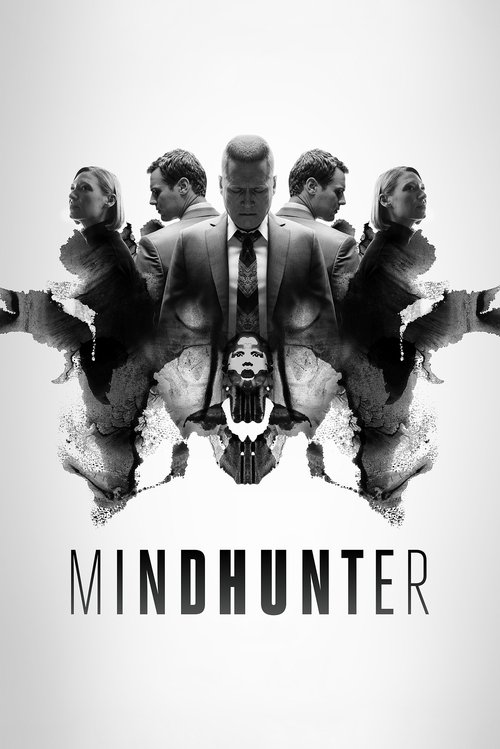
  • Mindhunter’s Unfinished Ending: The BTK Thread and Why Season 3 Never Happened

    Mindhunter’s Unfinished Ending: The BTK Thread and Why Season 3 Never Happened

    ⚠ Spoilers ahead

    Mindhunter does not end with a climax. It ends with a cut to black on a story that was only half told. Across two seasons, the show quietly built a second plot in the margins: a man in Kansas, played by Sonny Valicenti and credited only as the ADT Serviceman, who is in fact Dennis Rader, the serial killer who would become known as BTK. His scenes never touch the main story, and the series was put on hold before they ever could. This article explains the Mindhunter ending, the BTK thread, and why season 3 never happened.

    The BTK Thread: A Killer in the Margins

    From the very first episode, Mindhunter opens with scenes that seem to belong to another show. A quiet man in Wichita, Kansas, works as an ADT security installer, goes home to his family, and in private rehearses rituals: tying knots, wearing a mask, photographing himself bound, burning pictures. The show never names him in dialogue, and the main characters never meet him. Viewers who know true crime history recognize him anyway. He is Dennis Rader, who murdered ten people between 1974 and 1991 and taunted police with letters signed BTK, for bind, torture, kill. The vignettes run through both seasons like a slow fuse. In season 1 they establish his double life. In season 2 they grow darker and more deliberate, as he practices his rituals with increasing confidence. The point of the thread was never a single episode’s payoff. It was a promise: this show was building toward the day when the FBI’s new science of criminal profiling would finally meet a killer who had been hiding in plain sight all along.

    Where Season 2 Leaves the Story

    Season 2, released in 2019, ends without resolving that promise, and without resolving much else either. Its main case, the Atlanta child murders, closes in deliberate ambiguity: Wayne Williams is arrested, but the show refuses to present the case as solved, and Holden Ford is left haunted by the gap between a conviction and the truth. The final episodes also leave the team’s personal lives in disarray. Bill Tench’s family is fractured by his son’s involvement in a crime, Wendy Carr’s private life is under strain, and Holden himself, who has spent the season chasing killers and absorbing their psychology, ends the season rattled and isolated rather than triumphant. The last glimpses of the ADT Serviceman show him still out there, still practicing, still unknown to the FBI. It is an ending that only makes sense as a setup. Every thread in season 2 points forward: to a third season in which the profiling unit would finally turn its attention to the killer the audience had been watching all along.

    Why Season 3 Never Happened

    That third season never came. In early 2020, Netflix released the show’s main cast from their contracts, and executive producer David Fincher moved on to other projects. The series was never given a formal cancellation announcement in the usual sense; instead it was placed on indefinite hold, which in practice meant the same thing. The reasons were a mix of cost, scheduling and creative direction. Mindhunter was an expensive, painstakingly made show, Fincher’s attention was pulled toward films, and Netflix’s priorities shifted. Over the following years, Fincher has spoken about the show in interviews, acknowledging that it is unlikely to return, and the cast has moved on to other work. The result is one of the great unfinished stories in modern television: a series whose entire structure was a slow build, frozen at the moment before the payoff. Fans still hope for a revival or a concluding film, but as of now there is no season 3 in production, and the BTK storyline remains permanently unresolved.

    What the Unfinished Ending Means

    The irony of Mindhunter’s ending is that it accidentally suits the show’s subject. The series was always about the limits of understanding killers: about how profiling can explain behavior without ever fully explaining a person, and about how the investigators themselves are changed by looking too long into the dark. An ending that never arrives, with a killer still at large in Kansas and a team left broken by its own cases, is truer to that theme than a tidy resolution would have been. It is also deeply frustrating, and that frustration is part of why the show’s ending is still discussed years later. Like the great prestige dramas of its era, from Chernobyl to the other limited series that defined streaming television, Mindhunter proved that television could treat true crime as serious drama rather than sensation. It just never got to finish the story it started. For the full series guide, cast and where to watch, see our page on Mindhunter.

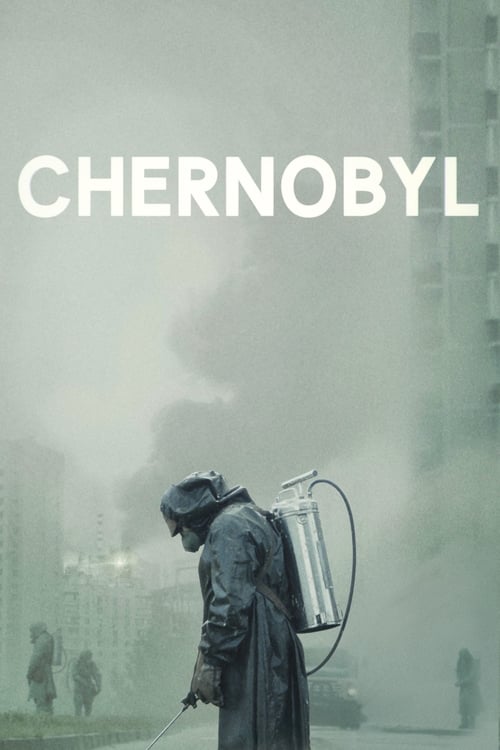
  • Chernobyl Finale Explained: The Cost of Lies Speech and Dyatlov’s Verdict

    Chernobyl Finale Explained: The Cost of Lies Speech and Dyatlov’s Verdict

    ⚠ Spoilers ahead

    Chernobyl ends with a trial, a confession and a suicide. In the final episode, Valery Legasov testifies at the trial of the men blamed for the disaster, telling the court, and the Soviet state, the truth about why Reactor 4 exploded: a flawed reactor design, hidden by the state, combined with the operators’ reckless test. The men are convicted, Legasov’s career is destroyed for speaking out, and two years later he takes his own life. This article explains the Chernobyl finale, including the cost of lies speech and what happened to Dyatlov.

    The Trial and What Legasov Reveals

    The finale is set in 1987, at the trial of Anatoly Dyatlov, the deputy chief engineer who was in charge on the night of the explosion, along with plant director Viktor Bryukhanov and chief engineer Nikolai Fomin. The state wants a simple story: the operators broke the rules, and the operators alone are to blame. Legasov, called as an expert witness, refuses to give them that story. Using a model of the reactor core, he explains what really happened. The RBMK reactor had a fatal design flaw: its control rods, which were supposed to shut the reactor down, had graphite tips that briefly increased reactivity when first inserted. When the operators pressed AZ-5, the emergency shutdown button, the rods first spiked the reaction instead of stopping it, and the reactor exploded. The flaw was known, Legasov testifies, and it was kept secret by the state because admitting it would mean admitting that the Soviet nuclear program, and the Soviet system itself, was built on a lie. The trial is not really about three men. It is about whether the truth can be spoken in a system that survives by hiding it.

    The Cost of Lies Speech

    Legasov’s testimony builds to the speech that gives the finale its power, and its title in this article. He tells the court that every lie we tell incurs a debt to the truth, and that sooner or later that debt is paid. The line is the thesis of the whole series. Chernobyl, in this telling, was not caused by a single mistake on a single night. It was caused by years of small lies: a reactor design that was cheaper and more dangerous than admitted, safety tests postponed and then rushed, warnings ignored, and a culture in which telling the truth was more dangerous than hiding it. Legasov’s speech is also a confession. He admits his own part in the system, including his earlier silence about the reactor’s flaws, and he knows what testifying will cost him. The KGB takes his tapes, his reputation is destroyed, and he is warned that he will never work again. The series presents Legasov as a man who finally chooses the truth over his own survival, and who understands that the choice will kill him just as surely as the radiation already has.

    Dyatlov’s Verdict and the Other Sentences

    The court finds all three defendants guilty. Dyatlov, who had insisted throughout the series that the reactor could not have exploded and that the operators did nothing wrong, is sentenced to ten years in a labor camp. Bryukhanov and Fomin receive ten years and eight years respectively in the series’ telling. The verdict is deliberately unsatisfying, and that is the point. The men are guilty of real failures: Dyatlov pushed the test forward, overrode safety concerns and threatened his staff. But the trial also serves as a scapegoating, a way for the state to punish individuals while protecting the system that designed the reactor and hid its flaws. Legasov’s testimony names that system, but the court does not put the system on trial. It puts three men on trial, and the distinction matters. The finale argues that justice that stops at individuals, without confronting the lies that made their failures possible, is itself another kind of lie.

    Legasov’s Death and the Real Aftermath

    The finale ends two years after the trial, on April 26, 1988, the second anniversary of the disaster. Legasov, isolated, ill from radiation and erased from official history, records his account of the disaster on tapes and hangs himself. The series closes by noting that his tapes were later circulated and that the Soviet Union eventually acknowledged the design flaws in the RBMK reactors, and by dedicating the story to the liquidators and workers who cleaned up the disaster. It is worth remembering that Chernobyl is a dramatization, not a documentary: the character of Ulana Khomyuk is a composite of many scientists, and some scenes are invented for dramatic effect. But the core of the finale is historically grounded. Legasov did record tapes before his death, the RBMK design flaw was real, and the disaster did expose the cost of a system built on secrecy. Like the great prestige dramas of the streaming era, from Mindhunter to the true-crime sagas that followed, Chernobyl uses one man’s story to ask a larger question: what happens when a society decides that the truth is too dangerous to tell? For the full story, cast and where to watch, see our guide to Chernobyl.

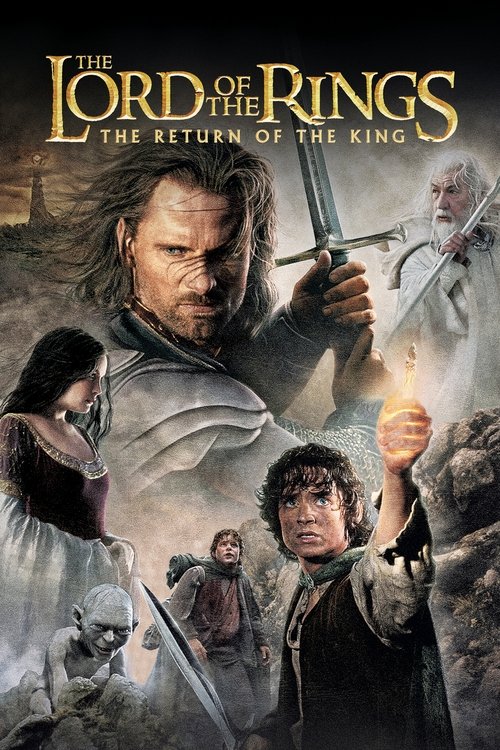
  • The Return of the King Ending Explained: The Grey Havens and Why Frodo Had to Leave

    The Return of the King Ending Explained: The Grey Havens and Why Frodo Had to Leave

    ⚠ Spoilers ahead

    The Return of the King ends not with a battle but with a goodbye. After the Ring is destroyed, Aragorn is crowned King of Gondor, the hobbits return to a Shire they no longer quite fit, and Frodo, who carried the Ring to Mount Doom, sails from the Grey Havens with Gandalf, Bilbo and the Elves, leaving Middle-earth forever. It is one of the most emotional endings in film, and also one of the most misunderstood. This article explains The Return of the King ending, and why Frodo had to leave.

    The Destruction of the Ring and the Fall of Sauron

    The climax of the trilogy is deliberately unheroic. Frodo reaches the Crack of Doom and, at the last moment, cannot do the thing he came to do. The Ring’s power overwhelms him, and he claims it for himself. It is Gollum, biting the Ring from Frodo’s finger in his own greed, who falls into the fire and destroys it by accident. The film’s point is that no one, not even the most good-hearted hobbit, could have willingly thrown the Ring away after carrying it that far. Frodo’s failure is not a flaw in the story; it is the story. The Ring is destroyed not by strength of will but by the same greed and treachery that created it, and Sauron’s tower collapses, his armies scatter, and the war ends in an instant. Sam carries Frodo out of the eruption, and the eagles rescue them both, but the victory is already shadowed. Frodo has been wounded in ways that no celebration can heal, and the film knows it.

    Aragorn’s Coronation and the Return of the King

    The coronation sequence gives the trilogy its title and its emotional payoff. Aragorn, who began the story as a ranger hiding from his heritage, accepts the crown of Gondor and reunites the kingdoms of Men, and his wedding to Arwen, who gave up her Elven immortality to stay with him, seals the new age. The most famous moment of the sequence is a small one: as the hobbits bow to the new king, Aragorn stops them and says, “My friends, you bow to no one.” The entire court, king included, bows to the four hobbits instead. It is the film’s thesis in a single gesture. The great deeds of kings and wizards matter, but the story was always about the smallest people doing the hardest thing. The coronation also closes the arcs of the other members of the Fellowship: Legolas and Gimli, whose friendship bridged the ancient enmity of Elves and Dwarves, sail and travel together, and Gandalf, who has guided the whole story, prepares to leave with the Elves when his work is done.

    Why Frodo Has to Leave

    Frodo’s departure is the heart of the ending, and it is the part audiences most often question. Why can he not simply stay in the Shire and be happy? The film’s answer is that some wounds do not heal, even in victory. Frodo was stabbed by a Morgul blade on Weathertop, stung by Shelob, and tormented by the Ring for months, and the anniversary of his wounds still pains him years later. The Shire he saved is unchanged, but he has changed, and he can no longer find peace in the quiet life he fought to protect. The Grey Havens offer something the Shire cannot: passage to the Undying Lands, the Elven realm across the sea, where the Ring-bearers are granted healing. Frodo does not leave because he is ungrateful or because he wants adventure. He leaves because staying would mean slowly fading in a home that no longer fits him. His farewell to Sam, Merry and Pippin is devastating precisely because it is not a death. It is a parting between people who love each other and will not meet again in this world, and the film lets it play without rushing past the grief.

    Sam’s Return and the Meaning of the Ending

    The final scene belongs to Sam, and that choice is the key to the whole trilogy. After watching Frodo’s ship sail beyond the horizon, Sam walks home to Rosie and his children, and the film’s last line is his quiet, perfect summary: “Well, I’m back.” Where Frodo could not be healed by home, Sam can, because Sam’s wounds were different. He carried Frodo, not the Ring, and his love was for the Shire itself, not for an idea of it. The ending of The Return of the King is therefore two endings at once: a farewell for the one who gave too much, and a homecoming for the one who carried him through. It is why the film’s many endings, so often joked about, are actually necessary. Each farewell closes a different thread, from the king to the wizard to the hobbits, and each one earns its place. Like the great sagas that followed it, from Dune: Part Two to the epics of the streaming era, The Return of the King understands that the end of a war is not the end of the story. The story ends when its heroes find out what the war cost them. For the full story, cast and where to watch, see our guide to The Return of the King.

  • Avengers: Endgame Ending Explained: Steve’s Choice and the Timeline Questions, Answered

    Avengers: Endgame Ending Explained: Steve’s Choice and the Timeline Questions, Answered

    ⚠ Spoilers ahead

    Avengers: Endgame ends with two farewells and one of the most debated choices in superhero cinema. Tony Stark snaps Thanos and his army out of existence and dies from the power of the Infinity Stones, and Steve Rogers, after returning the borrowed Stones to their proper places in time, chooses to stay in the past and live a full life with Peggy Carter, returning as an old man to pass his shield to Sam Wilson. The film answers its biggest emotional questions cleanly, and its timeline questions less so. This article explains the Avengers: Endgame ending, including what Steve’s choice actually means.

    Tony’s Snap and the Price of Victory

    The final battle is won by a single act of self-sacrifice that the whole film has been building toward. After the Avengers undo Thanos’ snap and bring back everyone who was dusted, a Thanos from 2014 arrives in the present and seizes the Infinity Gauntlet. In the chaos, Tony Stark takes the Stones into his own armor and snaps, wiping out Thanos and his forces. His last words, “I am Iron Man,” echo the line that launched the Marvel Cinematic Universe in 2008, and he dies in Pepper Potts’ arms, with Peter Parker and the other Avengers around him. The film treats Tony’s death as the completion of his arc: the selfish arms dealer of the first Iron Man becomes the man who gives everything for everyone else. His funeral, attended by heroes from across the MCU, is the film’s emotional full stop, and it is why the victory feels earned rather than cheap. Endgame insists that reversing death on a cosmic scale still has a personal cost, and Tony pays it.

    Natasha’s Sacrifice and the Soul Stone

    Before the final battle, the film makes its other great sacrifice on Vormir, where Clint Barton and Natasha Romanoff learn that obtaining the Soul Stone requires a life given willingly. The two friends fight over who will jump, and Natasha wins, falling to her death so that Clint can carry the Stone home. The scene matters for the ending because it establishes the film’s rule: some losses cannot be undone. When Bruce Banner later snaps the vanished back to life, Natasha does not return, because her death was not caused by the Stones. That distinction is the film’s way of keeping stakes real in a story about time travel. Not every death can be reversed, and the Avengers carry that grief into the final battle. It also explains why the film never treats the time heist as a magic fix. The team can restore what Thanos destroyed, but they cannot rewrite every tragedy along the way.

    How the Time Travel Actually Works

    Endgame’s time travel follows rules the film states clearly, even if fans still argue about them. The Ancient One explains to Bruce that removing an Infinity Stone from its time creates a branching timeline, a new reality that suffers without the Stone’s protection. Returning the Stone to the exact moment it was taken, she says, clips that branch, restoring the timeline as it was. That is Steve’s final mission: he takes the Stones and Mjolnir back through time, returning each to its place, and then he does not come back on schedule. The film’s logic is that changing the past does not change your own future; it creates a new timeline. So Steve living with Peggy in the past would, by that logic, happen in a branched timeline, not in the main one the Avengers inhabit. The film never spells out how old Steve gets back to the main timeline’s bench, which is why the question has fueled years of debate. The Russo brothers have suggested different readings at different times, and the film itself leaves it open. What is not ambiguous is the emotional point: Steve finally chooses a life for himself, after a lifetime of putting duty first.

    Steve’s Choice and the Shield

    Steve’s decision is the quiet mirror of Tony’s. Where Tony dies for the world, Steve lives for himself, and the film presents both as heroic. The final scene finds an elderly Steve sitting on a bench by the lake, having lived the life he gave up when he crashed into the ice in the 1940s, and he passes his shield, and the mantle of Captain America, to Sam Wilson. The choice resonates because Steve’s entire story has been about sacrifice: he was the scrawny kid who threw himself on a grenade, the soldier who stayed on the plane, the man out of time who kept fighting because there was no one else. Choosing Peggy is the first time he puts his own happiness first, and the film frames it as earned, not selfish. It also sets up the future of the MCU, with Sam carrying the shield into the next era of Avengers stories, including Avengers: Doomsday. For the full story, cast and where to watch, see our guide to Avengers: Endgame.

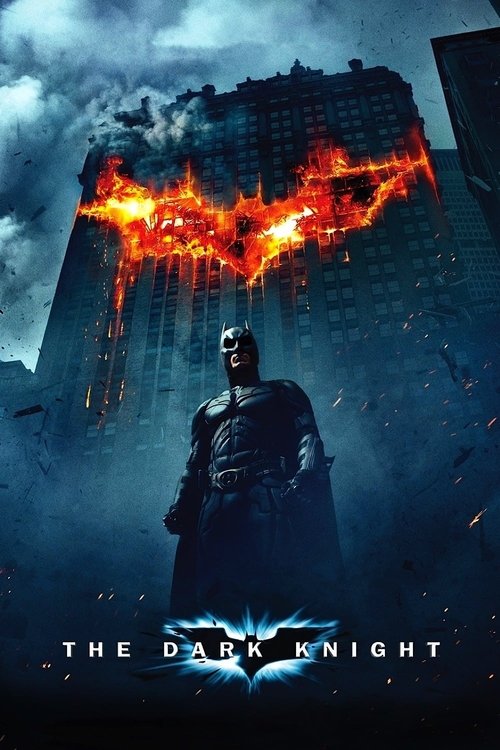
  • The Dark Knight Ending Explained: Harvey Dent’s Lie and Batman’s Sacrifice

    The Dark Knight Ending Explained: Harvey Dent’s Lie and Batman’s Sacrifice

    ⚠ Spoilers ahead

    The Dark Knight ends with a lie that saves Gotham and a sacrifice that damns its hero. Harvey Dent, the city’s beloved district attorney, dies a murderer, having killed the men he blamed for Rachel Dawes’ death, and Batman takes the blame for those murders so that Dent can remain a symbol of hope. Commissioner Gordon’s son asks why Batman is running from the police, and Gordon answers with the line that defines the film: Batman is the hero Gotham deserves, but not the one it needs right now. This article explains The Dark Knight ending in full, from Dent’s fall to the meaning of Batman’s choice.

    How Harvey Dent Falls

    Dent begins the film as Gotham’s white knight, the honest prosecutor who is actually winning the war on organized crime, and Bruce Wayne believes Dent can do what Batman cannot: save the city in the daylight, without a mask. The Joker destroys that hope with surgical cruelty. He kidnaps both Dent and Rachel, gives Batman a choice between them, and lies about their locations so that Batman saves Dent while Rachel dies in the explosion. Dent survives, but half of his face is burned away, and with it goes his faith in justice. The man who once flipped a two-headed coin as a joke now flips a scarred coin to decide who lives and who dies, and he murders the corrupt police officers and mobsters he holds responsible for Rachel’s death. The film is careful to make Dent’s fall feel like a tragedy rather than a twist. He is not corrupted by power or greed. He is broken by grief, and by the Joker’s proof that even the best man in Gotham can be dragged down to his level.

    The Joker’s Last Gambit

    By the final act, the Joker has already won in the only way that matters to him. He does not want money or power; he wants to prove that when the chips are down, everyone is as ugly as he is. His last scheme puts that theory to the test on two ferries, one full of civilians and one full of prisoners, each with the detonator to the other boat. Neither group pulls the trigger, which is the film’s one genuine note of hope, but the Joker has a crueller backup plan. He has turned Dent into a killer, and he tells Batman that Dent’s crimes will destroy everything Gotham believes about itself. When Batman confronts Dent at the site of Rachel’s death, Dent is holding Gordon’s family hostage and deciding their fate with his coin. Batman tackles him off the ledge, and Dent falls to his death. The Joker is captured, but his plan has already worked: Gotham’s white knight is dead, and the truth about him would undo every conviction he secured and every reform he inspired.

    Why Batman Takes the Blame

    Batman and Gordon agree, in the film’s most famous moral bargain, to lie. Gordon will blame Batman for Dent’s murders, and Batman will accept being hunted by the police he has spent the film helping. The logic is bleak but clear. Gotham needs to believe that a good man can win without becoming a monster, and if the city learns that its hero became a murderer, the Joker’s cynicism wins and the criminal empire Dent dismantled comes roaring back. Batman, who can survive being hated, takes on the guilt so that Dent, who cannot, does not have to. It is also a deeply personal choice for Bruce Wayne. He has already lost Rachel, the woman he hoped would be his way out of the cape, and he has watched the man she chose over him fall apart. Taking the blame is the one good thing he can still do with the Batman identity, and it costs him everything that identity was built to protect: his standing with the police, his freedom to operate, and his own reputation. The final chase, with Batman fleeing the police as Gordon’s son watches, is the film’s answer to the question it has been asking all along: what does it actually cost to be a hero?

    What the Ending Means for Gotham

    The ending of The Dark Knight is not a victory, and Christopher Nolan refuses to pretend otherwise. Gotham is safer, but only because it is built on a lie, and lies have a way of coming due. That is exactly what happens in the follow-up, The Dark Knight Rises, where the truth about Dent finally surfaces and the city has to reckon with what it was told. Within this film, though, the ending works as a statement about heroism itself. Dent was the hero Gotham wanted: handsome, lawful and loved. Batman is the hero it actually has: feared, hunted and alone. The film’s final image, of Batman disappearing into the night as the police give chase, echoes the sacrifices at the heart of other great superhero stories, from the selfless final stand in Avengers: Endgame to every hero who pays a personal price for a public good. The Dark Knight argues that being a symbol is not about being admired. It is about being willing to be hated for the right reason. For the full story, cast and where to watch, see our guide to The Dark Knight.

  • Dune: Part Two Ending Explained: Paul’s Holy War and Chani’s Heartbreak

    Dune: Part Two Ending Explained: Paul’s Holy War and Chani’s Heartbreak

    ⚠ Spoilers ahead

    Dune: Part Two ends with Paul Atreides making the choice he has been dreading since he first dreamed of Arrakis: he embraces the holy war. After drinking the Water of Life, defeating Feyd-Rautha Harkonnen in single combat and seizing the Imperial throne, Paul orders the Fremen to carry his jihad to the other worlds of the known universe, while Chani, the woman he loves, walks away from him in heartbreak. If you want the short version of the Dune: Part Two ending, that is it: Paul wins everything he set out to win, and loses the one person who kept him human. The rest of this article explains how he gets there, and why the film treats his victory as a tragedy rather than a triumph.

    Paul Drinks the Water of Life and Sees the Holy War

    Paul’s journey through the film is a journey toward a terrible kind of knowledge. After the fall of House Atreides in the first film, he lives among the Fremen, learns their ways and falls in love with Chani, who warns him again and again about what the southern Fremen believe: that he is the Mahdi, the messiah who will lead them to paradise. Paul resists that role because his prescient visions show him the price of accepting it. In every future where he goes south and drinks the Water of Life, the poison of the sandworms that awakens a Reverend Mother’s full awareness, he sees a holy war spreading across the universe in his name, with billions dying under the Fremen banner. He drinks it anyway, because the alternative is worse: the Harkonnens retaking Arrakis, the Fremen being wiped out, and the Emperor’s forces crushing the resistance. The Water of Life nearly kills him, and Chani’s tears, mixed with the water, revive him. When he wakes, he can see the past and the future at once, and he knows exactly what he must do.

    The Duel With Feyd-Rautha and the Fall of the Emperor

    The climax of Dune: Part Two is a duel, not a battle, and that is the point. After the Fremen storm Arrakeen and capture Emperor Shaddam IV, Paul challenges Feyd-Rautha, the Emperor’s chosen champion and the Harkonnen heir, to single combat for the throne. Feyd-Rautha is everything Paul is not: cruel, gleeful and utterly without doubt, and Austin Butler plays him as a creature of pure appetite. Paul defeats him, but only barely, and the fight costs him blood and nearly his life. With Feyd-Rautha dead, Paul claims the Emperor’s daughter, Princess Irulan, as his bride, a political marriage that gives him a legal claim to the throne. The great houses of the Landsraad refuse to accept him, and Paul answers their refusal by unleashing the Fremen fleet. The film’s final war is not shown as glory. It is shown as the thing Paul feared most, now unstoppable, and the camera lingers on his face as he gives the order, not on the spectacle of the launch.

    Why Chani Leaves

    Chani’s departure is the emotional heart of the ending, and it is the film’s biggest change from Frank Herbert’s novel. In the book, Chani accepts Paul’s political marriage to Irulan and stays at his side. In Denis Villeneuve’s film, she does not. Chani has watched Paul transform from the boy she taught to ride a sandworm into a figure the Fremen worship, and she has heard him speak of holy war as a certainty rather than a warning. When he takes Irulan’s hand, she understands that the man she loved has chosen power, prophecy and revenge over the life they imagined together in the desert. Her final scene, riding a sandworm alone into the deep desert, is not a rejection of the Fremen or of Arrakis. It is a rejection of what Paul has become. It also leaves the story open in a way the book does not: Chani is still out there, still free, and still capable of returning on her own terms in a third film.

    What the Ending Sets Up

    The ending of Dune: Part Two is deliberately unfinished, because it is the middle chapter of a larger story. The holy war Paul has unleashed is the subject of Herbert’s second novel, Dune Messiah, in which Paul rules as Emperor and discovers that even absolute power cannot control the jihad he started. The film also plants the seeds of that story in its final scenes: Jessica, now a Reverend Mother, has given birth to Alia, Paul’s sister, who was already conscious in the womb after Jessica drank the Water of Life; Gurney Halleck survives to stand at Paul’s side; and Irulan begins writing the history of Paul’s reign, the very chronicle that frames the novels. Like the great epic sagas, from The Lord of the Rings: The Return of the King to the films that followed it, Dune: Part Two understands that the end of a war is rarely the end of the story. Paul has won Arrakis, the spice and the throne. What he has lost is the future he actually wanted, and the film’s final image, of Chani riding away while the Fremen fleet rises, asks whether any victory is worth that price. For the full story, cast and where to watch, see our guide to Dune: Part Two.