The Marvel Cinematic Universe is now one of the largest connected stories ever filmed, and newcomers face a daunting question: where do you start? The answer depends on what you want. Release order is the simplest path, chronological order follows the in-universe timeline, and the phases give the whole saga its structure. This guide lays out the MCU phases, explains the two main orders, and clarifies where the animated Spider-Verse films and X-Men ’97 sit, so you can watch with confidence.
The Phases: How the MCU Is Built
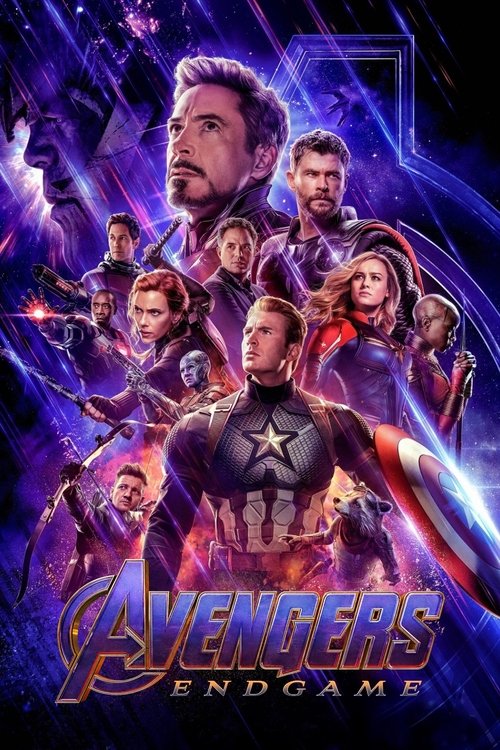
The MCU is organized into phases, each building toward a major crossover event. Phase One (2008-2012) introduces Iron Man, Captain America, Thor and the Hulk, and ends with The Avengers assembling the team. Phase Two (2013-2015) deepens the world with Guardians of the Galaxy and Ant-Man, and ends with Avengers: Age of Ultron. Phase Three (2016-2019) is the saga’s peak, building through Civil War, Black Panther and Infinity War to Avengers: Endgame, which closed the Infinity Saga and said goodbye to Iron Man and Captain America as the story’s center. The Multiverse Saga, Phases Four through Six, expands into television on Disney+, explores alternate timelines and realities, and builds toward Avengers: Doomsday, the next great crossover. Thinking in phases helps because each phase has its own arc, and you can pause between phases without losing the thread.
Release Order Versus Chronological Order
For first-time viewers, release order is the recommended route: watch the films and series in the order they were released, from Iron Man (2008) through to the latest releases. This is how audiences experienced the story, with its twists, post-credit reveals and character introductions landing as intended. Chronological order, by contrast, rearranges everything by in-universe date, starting with Captain America: The First Avenger and Captain Marvel before reaching the modern-day films. It is satisfying for rewatches, since it turns the saga into a single historical epic, but it spoils some reveals and scrambles the careful pacing of character introductions. Our advice is simple: watch in release order first, and save chronological order for a second pass, when you already know the twists and can enjoy seeing how the timeline fits together.
Where Spider-Verse and X-Men ’97 Fit
Two of Marvel’s most acclaimed animated projects sit outside the main MCU timeline, and that is exactly why they work. Spider-Man: Into the Spider-Verse and its sequel Across the Spider-Verse tell a standalone multiverse story about Miles Morales, a different Spider-Man from the MCU’s Peter Parker. You can watch them any time; they require no MCU knowledge, though they are richer if you know the Spider-Man mythos. X-Men ’97 is a continuation of the beloved 1990s X-Men animated series, revived for a new era, and it stands apart from the MCU’s own plans for the X-Men. Think of both as parallel Marvel universes: essential viewing for Marvel fans, but not homework for the MCU. Watch them when you want a break from the main timeline, or after you have caught up with the phases.
Our Recommended Path
If you are starting fresh, begin with Phase One in release order and work through the phases at your own pace, adding the Disney+ series as they appear in release order alongside the films. Treat Endgame as your first major milestone: reaching it means you have completed the Infinity Saga, the most celebrated run in the franchise. From there, the Multiverse Saga is more sprawling and more optional, so pick the characters and stories that interest you most rather than trying to watch everything. And whenever you want something self-contained and superb, dip into Spider-Verse or X-Men ’97. For the full story of the saga’s climax, see our guide to Avengers: Endgame, and for what comes next, keep an eye on Avengers: Doomsday.
Leave a Reply