⚠ Spoilers ahead
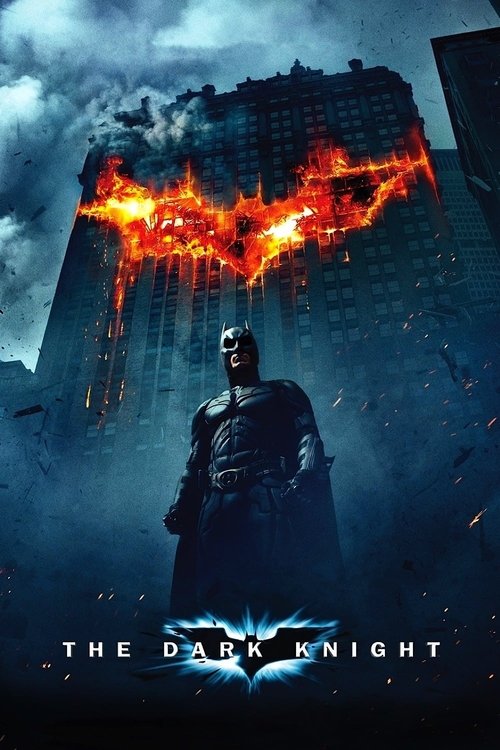
The Dark Knight ends with a lie that saves Gotham and a sacrifice that damns its hero. Harvey Dent, the city’s beloved district attorney, dies a murderer, having killed the men he blamed for Rachel Dawes’ death, and Batman takes the blame for those murders so that Dent can remain a symbol of hope. Commissioner Gordon’s son asks why Batman is running from the police, and Gordon answers with the line that defines the film: Batman is the hero Gotham deserves, but not the one it needs right now. This article explains The Dark Knight ending in full, from Dent’s fall to the meaning of Batman’s choice.
How Harvey Dent Falls
Dent begins the film as Gotham’s white knight, the honest prosecutor who is actually winning the war on organized crime, and Bruce Wayne believes Dent can do what Batman cannot: save the city in the daylight, without a mask. The Joker destroys that hope with surgical cruelty. He kidnaps both Dent and Rachel, gives Batman a choice between them, and lies about their locations so that Batman saves Dent while Rachel dies in the explosion. Dent survives, but half of his face is burned away, and with it goes his faith in justice. The man who once flipped a two-headed coin as a joke now flips a scarred coin to decide who lives and who dies, and he murders the corrupt police officers and mobsters he holds responsible for Rachel’s death. The film is careful to make Dent’s fall feel like a tragedy rather than a twist. He is not corrupted by power or greed. He is broken by grief, and by the Joker’s proof that even the best man in Gotham can be dragged down to his level.
The Joker’s Last Gambit
By the final act, the Joker has already won in the only way that matters to him. He does not want money or power; he wants to prove that when the chips are down, everyone is as ugly as he is. His last scheme puts that theory to the test on two ferries, one full of civilians and one full of prisoners, each with the detonator to the other boat. Neither group pulls the trigger, which is the film’s one genuine note of hope, but the Joker has a crueller backup plan. He has turned Dent into a killer, and he tells Batman that Dent’s crimes will destroy everything Gotham believes about itself. When Batman confronts Dent at the site of Rachel’s death, Dent is holding Gordon’s family hostage and deciding their fate with his coin. Batman tackles him off the ledge, and Dent falls to his death. The Joker is captured, but his plan has already worked: Gotham’s white knight is dead, and the truth about him would undo every conviction he secured and every reform he inspired.
Why Batman Takes the Blame
Batman and Gordon agree, in the film’s most famous moral bargain, to lie. Gordon will blame Batman for Dent’s murders, and Batman will accept being hunted by the police he has spent the film helping. The logic is bleak but clear. Gotham needs to believe that a good man can win without becoming a monster, and if the city learns that its hero became a murderer, the Joker’s cynicism wins and the criminal empire Dent dismantled comes roaring back. Batman, who can survive being hated, takes on the guilt so that Dent, who cannot, does not have to. It is also a deeply personal choice for Bruce Wayne. He has already lost Rachel, the woman he hoped would be his way out of the cape, and he has watched the man she chose over him fall apart. Taking the blame is the one good thing he can still do with the Batman identity, and it costs him everything that identity was built to protect: his standing with the police, his freedom to operate, and his own reputation. The final chase, with Batman fleeing the police as Gordon’s son watches, is the film’s answer to the question it has been asking all along: what does it actually cost to be a hero?
What the Ending Means for Gotham
The ending of The Dark Knight is not a victory, and Christopher Nolan refuses to pretend otherwise. Gotham is safer, but only because it is built on a lie, and lies have a way of coming due. That is exactly what happens in the follow-up, The Dark Knight Rises, where the truth about Dent finally surfaces and the city has to reckon with what it was told. Within this film, though, the ending works as a statement about heroism itself. Dent was the hero Gotham wanted: handsome, lawful and loved. Batman is the hero it actually has: feared, hunted and alone. The film’s final image, of Batman disappearing into the night as the police give chase, echoes the sacrifices at the heart of other great superhero stories, from the selfless final stand in Avengers: Endgame to every hero who pays a personal price for a public good. The Dark Knight argues that being a symbol is not about being admired. It is about being willing to be hated for the right reason. For the full story, cast and where to watch, see our guide to The Dark Knight.
Leave a Reply