Category: Articles

  • Tokyo Ghoul Watch Order: Root A, :re and the Continuity Problem, Solved

    Tokyo Ghoul Watch Order: Root A, :re and the Continuity Problem, Solved

    The Tokyo Ghoul watch order comes with a famous continuity problem: the second season diverges from the manga, and the third season follows the manga anyway. This guide solves the Tokyo Ghoul watch order plainly — the four seasons in order, what Root A changes, and how to enjoy :re without getting lost.

    Start With Season 1

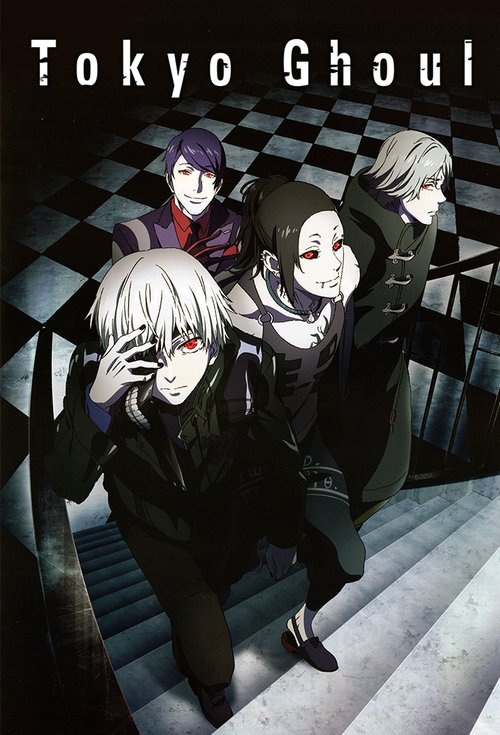
    Begin with Tokyo Ghoul (2014), in which student Ken Kaneki, voiced by Natsuki Hanae, becomes a half-ghoul after a near-fatal encounter and must navigate a hidden world of flesh-eating ghouls and the investigators who hunt them. Season 1’s 12 episodes adapt the manga’s opening faithfully and end with Kaneki’s transformation into something harder and darker. It is the strongest starting point the series offers, and everything after it builds on the question it leaves: what does Kaneki become when he stops holding back?

    The Root A Problem

    Season 2, Tokyo Ghoul √A (2015), is where the continuity problem begins: instead of adapting the manga’s next arc, it tells an original story in which Kaneki joins the ghoul organization Aogiri Tree. The broad strokes — Kaneki’s descent, the raid on Anteiku, the suffering of his friends — rhyme with the manga, but the details differ. This matters because Season 3 does not follow from √A: it follows from the manga. If you expect a clean chain of cause and effect, √A will confuse you; if you treat it as an alternate telling of the same period, it works as a dark, self-contained tragedy.

    How :re Fits

    Seasons 3 and 4, Tokyo Ghoul:re and :re 2nd Season (both 2018, 12 episodes each), pick up after a time skip with a new investigator, Haise Sasaki, whose identity is the season’s central mystery. The :re seasons adapt the manga’s sequel storyline, which means they assume the manga’s version of events after Season 1 — not √A’s. The practical advice is simple: watch :re as a continuation of the manga’s story, accept that some details will not line up with √A, and focus on the emotional throughline, which survives the gap: Kaneki’s search for a place where ghouls and humans can coexist. The :re seasons also reintroduce the surviving cast gradually, so even if a plot detail puzzles you, the characters will orient you within a few episodes.

    Why the Order Still Works

    It helps to remember that Tokyo Ghoul is only 48 episodes in total — short by long-anime standards — so the continuity wrinkle costs you a little confusion, not a wasted season. Watched in release order, the series still delivers a complete arc: a young man’s fall, his years in the dark, and his attempt to build something better from the wreckage. The gap between √A and :re is real, but it is also the reason the series is still discussed a decade later: fans love arguing about which version of Kaneki’s middle years is the true one, and that argument is part of the show’s legacy.

    The Manga Bridge, If You Want It

    If the gap bothers you, the manga is the bridge: reading the original Tokyo Ghoul manga’s second half before :re gives you the version of events that :re continues, and it turns √A into a fascinating what-if rather than a contradiction. This is optional, not required — the anime is watchable on its own — but it is the only way to make every season line up perfectly. Many fans consider the manga the definitive version of the story, and the anime a companion to it rather than a replacement.

    The Full Order, Summarized

    The Tokyo Ghoul watch order is: watch Tokyo Ghoul Season 1, then √A as an alternate telling, then :re and :re 2nd Season as the manga’s continuation — or read the manga’s second half between √A and :re for a seamless story. For another anime where the adaptation path needs untangling, the Sword Art Online watch order has its own retellings to sort — but none quite as tangled as this one.
  • Sword Art Online Watch Order: Aincrad to Alicization and the Progressive Films

    Sword Art Online Watch Order: Aincrad to Alicization and the Progressive Films

    The Sword Art Online watch order looks tangled because the series jumps between games, timelines and retellings — but the core path is simple: watch the seasons in release order, then add the films. This guide gives you the Sword Art Online watch order from Aincrad to Alicization, explains where the Progressive films fit, and tells you what you can skip.

    Start With Aincrad and Fairy Dance

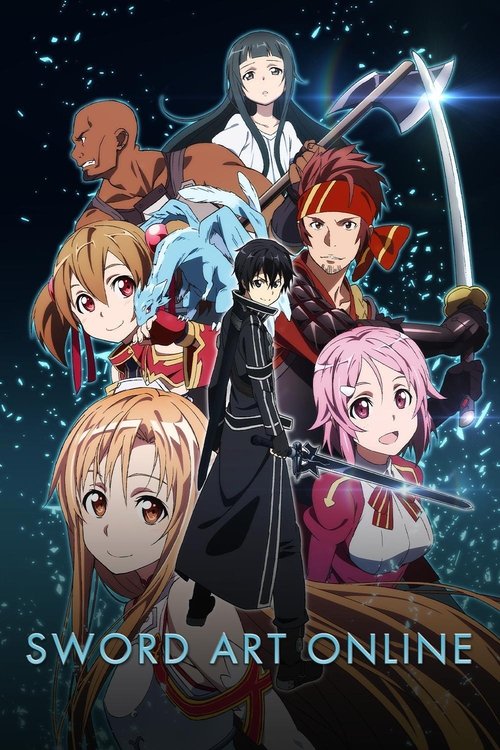
    Begin with Sword Art Online (2012), in which Kirito and thousands of players are trapped inside the virtual world of Aincrad, where death in the game means death in real life. Season 1’s first half — the Aincrad arc, 14 episodes — is the story that made the series famous, and it is where every new viewer should start. The season’s second half, the Fairy Dance arc, follows Kirito into a new game to rescue Asuna; it is more divisive, but it is canon and it sets up characters who matter later, so watch it in order rather than skipping ahead.

    Gun Gale, Mother’s Rosario and Ordinal Scale

    Season 2 (2014) opens with the Phantom Bullet arc in Gun Gale Online, a darker, more mystery-driven story, then moves through smaller arcs including Mother’s Rosario, a fan-favorite Asuna story that is widely considered the season’s high point. After Season 2, watch the film Ordinal Scale, a standalone adventure that sits between the second and third seasons and works best once you know the full cast. None of these entries requires a detour: release order is the correct order, and the show’s timeline follows it faithfully.

    Alicization: The Longest Arc

    Season 3, Alicization (2018), is the series’ most ambitious arc: Kirito wakes in the Underworld, a virtual world with its own rules and a war brewing between humans and the Dark Territory. Season 4, War of Underworld (2019), continues the same story to its conclusion. Watch the two seasons back to back — they are one story split across two runs — and expect a slower, more world-building-heavy pace than Aincrad. The payoff is a finale that ties together threads from every earlier season, including characters you have not seen in years.

    What You Can Skip

    The one thing you can safely skip is Extra Edition, a recap special that revisits Season 1 with a small amount of new framing footage: pleasant for fans, unnecessary for anyone following the main path. The same goes for the many short specials and recap episodes scattered around the seasons — they repeat what you have just watched. Stick to the four seasons, Ordinal Scale and the Progressive films, and you will have the complete story without a wasted hour.

    The Progressive Films

    The Progressive films retell the Aincrad arc floor by floor, with Asuna as the co-lead — they are a retelling, not a continuation. Watch them after Season 1, as a richer version of a story you already know, or after Alicization, as a nostalgic return to where it all began. Either way, do not start with them: the original Season 1 is the foundation, and the films are most rewarding when you can spot what they add. They are also the best entry point for a rewatch, since they slow down and savor the early floors that Season 1 rushed through.

    The Full Order, Summarized

    The Sword Art Online watch order is: watch Sword Art Online Seasons 1–4 in release order, watch Ordinal Scale after Season 2, and watch the Progressive films after Season 1 as a retelling. For another long-running anime with a clear season path, the Fairy Tail watch order follows the same simple rule: release order first, extras second. Log in, and enjoy the climb.

  • Fairy Tail Watch Order: The Original Run, 100 Years Quest and the Two Movies

    Fairy Tail Watch Order: The Original Run, 100 Years Quest and the Two Movies

    The Fairy Tail watch order is simpler than its episode count suggests: one long original run, one sequel series, and two movies that are pure bonus. This guide gives you the Fairy Tail watch order in full — the original run in order, where 100 Years Quest fits, and what to do with the two movies.

    Start With the Original Run

    Begin with Fairy Tail (2009–2019), based on Hiro Mashima’s manga, in which fire dragon slayer Natsu Dragneel and celestial wizard Lucy Heartfilia join the rowdy Fairy Tail guild and take on jobs, dark guilds and ancient magic. The original run spans 8 seasons and 328 episodes plus specials, and it is best watched straight through in broadcast order: the story’s arcs build on each other, the guild grows around you, and the big payoffs — the Tenrou Island arc, the Grand Magic Games and the final war against Zeref and Acnologia — land because you have spent hundreds of episodes with these characters. Do not be tempted to skip ahead to the famous arcs: Fairy Tail’s emotional weight comes from time invested, and the early, smaller jobs are what make the later battles matter.

    What About Filler?

    Fairy Tail’s filler is modest by long-anime standards, and most of it is easy to enjoy rather than a chore: standalone jobs and light-hearted detours that keep the guild’s chemistry front and center. Unlike some series, the filler here rarely blocks the story, because the canon arcs are long and clearly signposted. If you want the leanest path, follow a filler list and skip the standalone episodes; if you love the cast, watch everything — the filler is part of the hangout appeal that made the show a comfort watch for a decade. Either way, the canon arcs are unmistakable: they carry the season’s main conflict, and the show returns to them after every detour.

    Pacing Yourself Through 328 Episodes

    The honest way to approach a run this long is one arc at a time, not one episode-count target at a time. Fairy Tail is built for that rhythm: each arc has its own villain, its own location and its own emotional beat, and the guild hall scenes between arcs act as natural rest stops. Watch an arc, take a breath, and come back when you miss the characters — which, given how warm this cast is, will not take long. New viewers often worry about the length; veterans will tell you the length is the point, because no other format gives you this much time with a found family.

    100 Years Quest and the Movies

    After the original run ends, continue with Fairy Tail: 100 Years Quest, the sequel series that follows Natsu and the team on the legendary century-long job, facing the Five Dragon Gods. Watch it only after the original run: it assumes you know the guild, the stakes and the ending of the first series. The two movies — Phoenix Priestess and Dragon Cry — are standalone adventures that slot in around the middle of the original run; watch them after you know the main cast, or treat them as optional extras, since neither affects the main story.

    The Full Order, Summarized

    The Fairy Tail watch order is: watch Fairy Tail in broadcast order (skipping filler if you want the lean path), watch the two movies whenever you fancy a side adventure, then continue with 100 Years Quest. For another long-running guild-style adventure with a clear canon path, the Bleach watch order uses the same logic: canon first, extras second, and the sequel series last. Start at episode one, and let the guild take it from there.

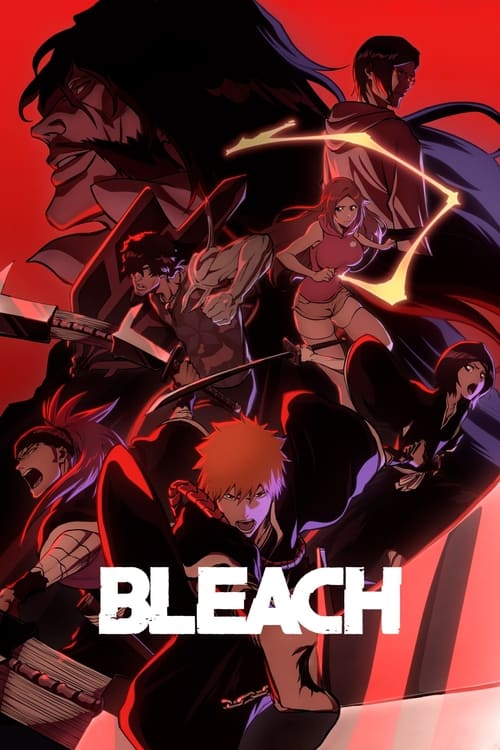
  • Bleach Watch Order: Canon Arcs, the Filler Seasons to Skip and the Movies

    Bleach Watch Order: Canon Arcs, the Filler Seasons to Skip and the Movies

    The Bleach watch order filler question is the first thing every new viewer asks — and the answer is a relief: most of Bleach is canon, the filler is easy to spot, and the finale is now complete. This guide gives you the Bleach watch order filler list in plain terms: the canon arcs to watch, the filler seasons to skip, and where the movies and the Thousand-Year Blood War fit.

    Start With the Original Run

    Begin with Bleach (2004), based on Tite Kubo’s manga, in which teenager Ichigo Kurosaki gains the powers of a Soul Reaper and must protect the living world from Hollows while navigating the politics of the Soul Society. The original run is 366 episodes, and its canon arcs — the Substitute Soul Reaper arc, the Soul Society arc, the Arrancar arc and the Fullbring arc — are the spine of the story. Watch these in order, and you will follow Ichigo from ordinary student to the Soul Society’s most wanted ally. The Soul Society arc in particular is the reason the series is still loved: a rescue mission that turns into a conspiracy, with a cast of captains who each get a moment to shine.

    The Filler Seasons to Skip

    Bleach’s filler is the part you can safely skip: whole seasons of original stories that were made while the manga caught up, including the Bount arc, the long stretch of standalone episodes in the middle of the Arrancar saga, and the Zanpakuto Rebellion and Gotei 13 Invading Army arcs. None of them affects the main story, and none of them is referenced again. If you are a completist, they are harmless fun; if you want the story, skip them and you will not miss a beat. The simplest rule is to follow a canon-episode list and ignore everything else. One caution: the filler arcs often open with a recap-style setup that looks canonical, so check the episode list before you commit to a new arc — a quick glance saves you twenty episodes of a story that goes nowhere.

    How Long the Canon Path Actually Takes

    Cutting the filler roughly halves the original run, leaving a canon path of around two hundred episodes — still long, but a very different prospect from 366 plus a sequel series. That is the honest scale of the commitment: Bleach is a long show, but its canon is tight, propulsive and genuinely rewarding, with the Arrancar saga delivering the series’ biggest battles and the Fullbring arc offering a quieter, stranger coda before the finale. Pace yourself one arc at a time, and treat the filler as a bonus shelf you can visit later, not a hurdle you must clear.

    The Movies and the Blood War

    The four Bleach movies are optional side stories that slot in around the main arcs; watch them after the arc they follow if you want more Ichigo, or skip them entirely — the story does not need them. What you must not skip is Bleach: Thousand-Year Blood War, the continuation that adapts the manga’s final arc, in which the Quincy invade the Soul Society and the series’ biggest secrets finally come out. Watch it after the original run’s canon arcs, and the story that began in 2004 finally reaches its ending, with a visual upgrade that makes it feel like a new show entirely.

    The Full Order, Summarized

    The Bleach watch order is: watch the canon arcs of Bleach in order, skip the filler seasons, watch the movies only if you want extras, and finish with Thousand-Year Blood War. For another long series with a smart filler strategy, the Naruto watch order follows the same approach — canon first, filler only if you love the world.

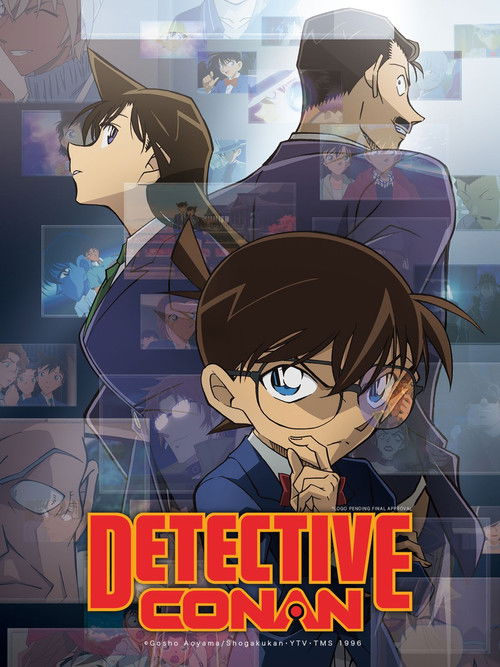
  • Detective Conan Watch Order: 1,000 Episodes, the Movies and What You Can Skip

    Detective Conan Watch Order: 1,000 Episodes, the Movies and What You Can Skip

    The Detective Conan watch order is the most forgiving in all of anime: because the show is episodic, you do not need to watch 1,000 episodes to enjoy it — you need to know which ones matter and which ones you can skip. This guide gives you the Detective Conan watch order, explains how the series is built, and points you to the movies that are actually worth your time.

    Start With the Premise

    Begin with Detective Conan, the long-running series that began in 1996 and is based on Gosho Aoyama’s manga. Teenage detective Shinichi Kudo is poisoned by a criminal syndicate and shrunk into a child’s body; calling himself Conan Edogawa, he solves cases while hunting the organization that did this to him. The site’s page lists over 1,200 episodes, so the honest truth is this: nobody needs to watch them all. The show’s cases are mostly self-contained, and the overarching plot advances in short bursts scattered across the run.

    What You Can Skip

    Here is the liberating part: most Detective Conan episodes are standalone mysteries that do not affect the main story. You can skip the vast majority of filler cases and lose nothing — the show helpfully returns to its status quo at the end of almost every episode. What you should not skip are the episodes that advance the Black Organization plot, the ones that develop Conan’s allies and rivals, and the ones that deepen the mystery of Shinichi’s condition. A good rule: watch the early episodes to learn the characters, then follow a plot-episode guide for the rest, dipping into standalone cases only when you are in the mood for a classic whodunit.

    The Movies, Including Blue Sapphire

    The films are the best entry point for casual viewers. Detective Conan: The Fist of Blue Sapphire (2019), directed by Chika Nagaoka, pairs Conan with the gentleman thief Kaito Kid around a sapphire display in Singapore — a big, glossy adventure that works even if you have never seen the show. Most Conan movies follow the same pattern: a self-contained spectacle that assumes only the basic premise. Watch them in release order, after you know the main characters, and treat them as blockbuster side stories rather than required chapters.

    A Beginner’s Shortcut

    If you want the shortest possible path into the series, here it is: watch the first dozen episodes to meet Conan, Ran, Kogoro and the Detective Boys, then jump to the Black Organization episodes and the movies. You will understand the characters, the central mystery and the stakes, and you can fill in the rest whenever you like. The movies are also the easiest way to test whether the series is for you before committing to the show at all. Conan rewards long-term fans with callbacks and slow-burn reveals, but it never punishes a newcomer: every episode re-establishes the premise, and every case is a fresh puzzle. That is why the show has lasted three decades, and why starting it is far less daunting than the episode count suggests.

    The Full Order, Summarized

    The Detective Conan watch order is: start with Detective Conan from the beginning to learn the premise and characters, then follow plot episodes and skip standalone filler, and watch the movies — including The Fist of Blue Sapphire — in release order whenever you want a bigger adventure. For another long-running series with a smart way through its filler, the Naruto watch order follows the same logic. And if you finish the shortcut and want more, the back catalogue will always be there — one case at a time, for as long as you like. Start with episode one tonight, and let the mystery do the rest.

  • Studio Ghibli Watch Order: The Essential Path Through Miyazaki’s Films

    Studio Ghibli Watch Order: The Essential Path Through Miyazaki’s Films

    The Studio Ghibli watch order does not need a timeline or a flowchart: Ghibli’s films are almost entirely standalone, so the best order is a curated path through the essentials, starting with the masterpiece and branching out by mood. This guide gives you the Studio Ghibli watch order — the essential path through Miyazaki’s films, plus the one great film by his studio partner that no Ghibli journey should skip.

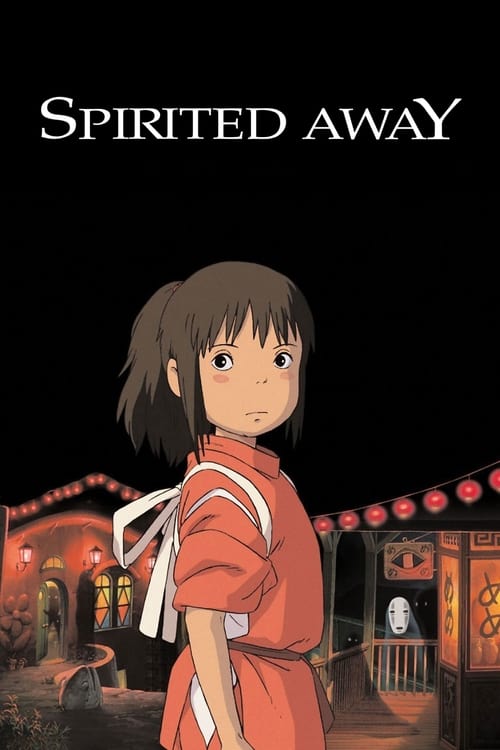
    Start With Spirited Away

    Begin with Spirited Away (2001), directed by Hayao Miyazaki and winner of the Academy Award for Best Animated Feature. Ten-year-old Chihiro wanders into a bathhouse for spirits and must work there to free her transformed parents. It is Ghibli’s most complete film — strange, beautiful and endlessly rewatchable — and it teaches you everything about the studio’s way of telling stories: wonder first, explanation later, and a heroine whose courage grows quietly.

    The Gentle Classics Next

    Next, watch My Neighbor Totoro (1988), Miyazaki’s gentlest film, in which two sisters move to the countryside and befriend the forest spirit Totoro, and Ponyo (2008), his joyful, hand-drawn sea fable about a goldfish girl who wants to be human. These are the films to watch with children — or when you need comfort. They show the other side of Miyazaki: not the epic adventurer, but the poet of childhood, rain, gardens and the small magic of everyday life.

    The Epics and the Romance

    Then turn to the epics: Princess Mononoke (1997), Miyazaki’s fierce forest fable about a prince caught between the gods of the forest and the humans cutting it down, and Howl’s Moving Castle (2004), his romantic fantasy about a young woman cursed into old age and the flamboyant wizard she falls for. These are the grandest, most ambitious Ghibli films, and they reward watching after the gentler ones, when you already trust Miyazaki’s world-building. Finish this stretch with The Wind Rises (2013), his bittersweet, grown-up portrait of the airplane designer Jiro Horikoshi — the most reflective film in the essential path.

    The Essential Exception: Grave of the Fireflies

    No Ghibli path is complete without Grave of the Fireflies (1988), directed not by Miyazaki but by his studio co-founder Isao Takahata. It follows two siblings struggling to survive in wartime Japan, and it is one of the most devastating films ever made. Watch it last, on its own, when you are ready — it is not a Miyazaki film, but it is essential Ghibli, and it shows the studio’s other genius: a realism as powerful as any fantasy.

    Beyond the Essentials

    Once you have finished the essential path, the rest of the studio opens up. Kiki’s Delivery Service (1989) is the warmest coming-of-age story in the catalogue, Nausicaä of the Valley of the Wind (1984) is the film that made Miyazaki’s name before Ghibli even existed, and The Boy and the Heron (2023) is his late-career return — a dreamlike, deeply personal film that plays like a farewell and a new beginning at once. None of these changes the order above; they extend it, and they are the reward for falling in love with the essentials first.

    The Full Order, Summarized

    The essential Studio Ghibli watch order is: Spirited Away, My Neighbor Totoro, Ponyo, Princess Mononoke, Howl’s Moving Castle, The Wind Rises, and Grave of the Fireflies. For another studio whose films reward watching in release order, the Pixar watch order is the natural companion piece. Take your time with it: Ghibli films are meant to be savored, not binged, and the best watch order is the one that leaves you wanting the next film. Watch one a week, and the journey will last a whole season.

  • Pixar Watch Order: Every Film in Release Order — and the Famous Pixar Theory Order

    Pixar Watch Order: Every Film in Release Order — and the Famous Pixar Theory Order

    The Pixar movies watch order is release order — the order Pixar actually made the films — and that is the order this guide recommends. But there is a second, famous order worth knowing about: the Pixar Theory, a fan theory that reorders the films into one secret shared timeline. This guide gives you the Pixar movies watch order in release order, walks through the key films, and explains the Pixar Theory order for the curious.

    Start at the Beginning: Toy Story

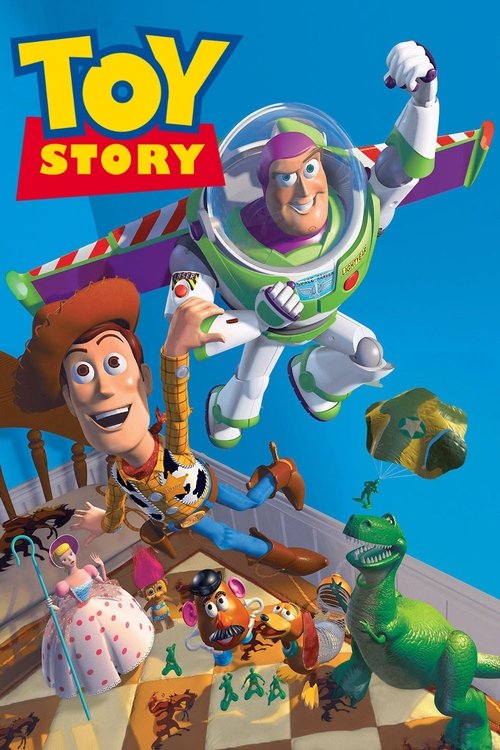
    Begin with Toy Story (1995), Pixar’s first feature and the first fully computer-animated film ever made, directed by John Lasseter and starring Tom Hanks as Woody and Tim Allen as Buzz Lightyear. It set the studio’s template: a simple, emotional idea — what do toys do when you leave the room? — told with warmth and wit. From here, the studio’s early run is a near-unbroken streak of classics, and watching them in release order lets you see Pixar’s animation and storytelling grow film by film.

    The Golden Run in Release Order

    After Toy Story, the release order runs through the films that made Pixar’s name: A Bug’s Life (1998) and Toy Story 2 (1999), then Monsters, Inc. (2001), Finding Nemo (2003), directed by Andrew Stanton and starring Albert Brooks as Marlin and Ellen DeGeneres as Dory, and The Incredibles (2004). Then comes Ratatouille (2007), directed by Brad Bird with Patton Oswalt as Remy, WALL·E (2008), again from Stanton, Up (2009), directed by Pete Docter with Ed Asner as Carl Fredricksen, and Toy Story 3 (2010). Each film stands alone, so you can dip in anywhere — but release order gives you the studio’s evolution, from the toys of 1995 to the silent, wordless opening of WALL·E.

    The Later Films

    Continue in release order through the 2010s and beyond: Brave (2012), Monsters University (2013), Inside Out (2015), directed by Pete Docter with Amy Poehler as Joy, Coco (2017), directed by Lee Unkrich, and on through the Toy Story sequels, the Incredibles sequel and the studio’s newer films. The later years are more uneven than the golden run, but the highs — Inside Out and Coco especially — are as good as anything Pixar has made, and they reward watching in the order they were released, since each film answers the one before it in technique and ambition. Do not skip the sequels: Finding Dory, Incredibles 2 and Toy Story 4 all deepen characters you already love, and they are best enjoyed in the order Pixar released them.

    The Famous Pixar Theory Order

    Now the fun part: the Pixar Theory, a fan theory that claims all Pixar films share one universe, in a timeline running from Brave’s ancient magic through the rise of intelligent animals, the age of machines, and finally a post-human Earth where the monsters of Monsters, Inc. are the descendants of humanity. In theory order, you would start with Brave, then move through the films by their place in that secret history rather than their release dates. It is a delightful way to rewatch the films — but it is a theory, not a canon, and it works best as a second viewing, after you already know the films in release order.

    The Full Order, Summarized

    The Pixar movies watch order is: Toy Story and every film after it in release order, from Finding Nemo to Coco and beyond — with the Pixar Theory order saved for a playful rewatch. For a deeper dive into the studio’s first great creation, the Toy Story watch order is the natural next stop. Start tonight with the original and you will see why Pixar became the most trusted name in animation.

  • Toy Story Watch Order: Four Films, Lightyear and the Road to Toy Story 5

    Toy Story Watch Order: Four Films, Lightyear and the Road to Toy Story 5

    The Toy Story watch order is release order, plain and simple: four films, one spin-off and one sequel on the way, all watched in the order Pixar made them. There are no prequels to untangle and no television series to slot in — just Woody, Buzz and the gang growing up alongside their audience. This guide gives you the Toy Story watch order, explains where Lightyear fits, and looks ahead to Toy Story 5.

    Start With the Original

    Begin with Toy Story (1995), directed by John Lasseter and starring Tom Hanks as Woody and Tim Allen as Buzz Lightyear. The first fully computer-animated feature film, it introduces the toys’ secret life: when Andy is away, his toys come alive, and Woody’s place as Andy’s favourite is threatened by the arrival of the flashy space ranger Buzz. It is the foundation of everything that follows, and the friendship between Woody and Buzz is the emotional spine of the whole series.

    The Sequels in Order

    Next watch Toy Story 2 (1999), in which Woody is stolen by a toy collector and Buzz leads a rescue mission, then Toy Story 3 (2010), in which the toys face life after Andy grows up and heads to college, ending with their tearful handover to a new child, Bonnie. Then watch Toy Story 4 (2019), which follows Woody’s life with Bonnie and his choice to leave the toy box behind and stay with Bo Peep as a “lost toy.” Each sequel deepens the same question — what happens to toys when children grow up? — and each one works because you have seen the films before it.

    Where Lightyear Fits

    Lightyear (2022) is the odd one out, and it is best watched after the four main films. It is not a Toy Story sequel in the usual sense: it is the in-universe movie that the Buzz Lightyear toy is based on, a science-fiction adventure about the “real” Buzz. Watching it after Toy Story 4 keeps the main story’s emotional arc intact, and it makes the film’s premise — the toy you know is a merchandising spin-off of this hero — land properly. Treat it as a fun detour, not a chapter of Woody’s story.

    The Shorts and Extras

    Beyond the films, Pixar has made a string of Toy Story shorts and specials, from Hawaiian Vacation to the television special Toy Story of Terror! and the Forky Asks a Question series. None of them is required viewing, and none of them changes the order: they are small, self-contained jokes and side stories that slot in after the film they follow. If you are watching with children, they make a lovely dessert after the main course; if you are watching for the story, you can skip them without missing a beat. The films are the story; everything else is a bonus.

    The Road to Toy Story 5

    The next step is Toy Story 5 (2026), directed by Andrew Stanton and starring Hanks and Allen once again, with Joan Cusack returning as Jessie. The site’s page gives the premise: Bonnie’s new tablet, LilyPad, is the toys’ new rival, as screens compete with playthings for a child’s attention. It slots in last, after Toy Story 4 and Lightyear, and it looks set to bring the series’ central question — what are toys for? — into the age of tablets and apps.

    The Full Order, Summarized

    The complete Toy Story watch order is: Toy Story, Toy Story 2, Toy Story 3, Toy Story 4, Lightyear, and then Toy Story 5 when it arrives. For another Pixar classic from the same studio’s golden run, Finding Nemo is a perfect next watch.

  • Dune Watch Order: Villeneuve’s Trilogy Path and the 1984 Film’s Place

    Dune Watch Order: Villeneuve’s Trilogy Path and the 1984 Film’s Place

    The Dune watch order is simple: watch Denis Villeneuve’s films in release order, then treat David Lynch’s 1984 Dune as a separate, optional curiosity. That is the whole path in one sentence — but the details matter, because a third Villeneuve film is on the way and the 1984 film tells the same story in a very different way. This guide gives you the Dune watch order, explains where each film fits, and settles the question of the 1984 film once and for all.

    Start With Villeneuve’s Dune

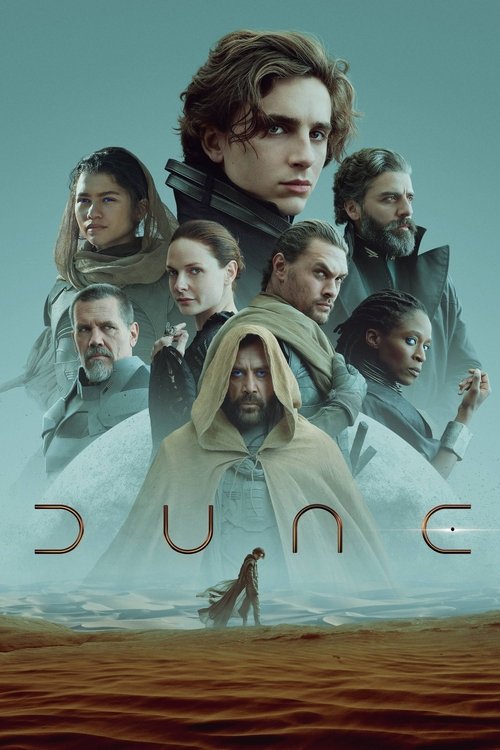
    Begin with Dune (2021), directed by Denis Villeneuve and starring Timothée Chalamet as Paul Atreides, Rebecca Ferguson as Lady Jessica, Oscar Isaac as Duke Leto and Zendaya as Chani. It adapts the first half of Frank Herbert’s novel: House Atreides takes over the desert planet Arrakis, the source of the spice melange, and is betrayed and destroyed, leaving Paul and Jessica to flee into the desert and join the Fremen. The film ends mid-story by design, so do not stop here — it is only the first half of a two-part (soon to be three-part) tale.

    Continue With Part Two

    Next watch Dune: Part Two (2024), which completes the novel’s story as Villeneuve tells it: Paul rises among the Fremen, drinks the Water of Life, defeats Feyd-Rautha, takes Princess Irulan as his political bride and unleashes the holy war he has spent two films trying to avoid. Chalamet, Zendaya, Ferguson and Javier Bardem return, joined by Austin Butler as Feyd-Rautha and Florence Pugh as Irulan. The two films together form one complete arc, and watching them back to back is the most satisfying way to experience Villeneuve’s Arrakis.

    The Third Film on the Horizon

    After Part Two, the next step is Dune: Part Three (2026), which adapts the second novel, Dune Messiah, and follows Paul as emperor facing the consequences of the war he unleashed. The site’s page lists it in cinemas December 15, 2026, with Chalamet and Zendaya returning. Until it arrives, the two-film path is complete in itself; once it is out, it slots in third, after Part Two, and the trilogy will be watched in release order from start to finish.

    Where the 1984 Film Fits

    So where does David Lynch’s Dune (1984) fit? Nowhere in the Villeneuve order — and that is the point. Lynch’s film is a standalone adaptation of the same novel, made decades earlier, with its own cast, its own visual language and a single film’s worth of runtime for the whole book. Watch it after the Villeneuve films if you are curious about how another great director saw Arrakis, or skip it entirely; it is not required, it does not set anything up, and its story contradicts Villeneuve’s in places. Treat it as a fascinating alternate version, not a chapter of the same story.

    One More Tip: Watch Them Together

    If you can, watch the Villeneuve films close together, ideally on the same weekend. The first film is deliberately dense, introducing the houses, the spice, the Bene Gesserit and the politics of Arrakis in a hurry, and those details pay off in the second film in ways that are easy to forget after a long gap. A fresh memory of the first film makes the second film’s opening, in which Paul and Jessica are already living among the Fremen, land immediately. The same advice will apply when the third film arrives: refresh the first two films first, and the trilogy will play as one long story.

    The Full Order, Summarized

    The complete Dune watch order is: Dune, Dune: Part Two, and then Dune: Part Three when it arrives — with Lynch’s 1984 film as an optional extra at the end. If you want another saga whose watch order rewards release order over chronology, the Star Wars watch order follows the same principle.

  • Indiana Jones Watch Order: Raiders, the Sequels and the Young Indy Footnote

    Indiana Jones Watch Order: Raiders, the Sequels and the Young Indy Footnote

    The Indiana Jones watch order is refreshingly simple: watch the five films in release order, and you will follow Indy’s life the way audiences did — from the dusty thrill of the first adventure to the weathered hero of the last. There is one prequel wrinkle and one television footnote to know about, but neither should change your plan. This guide gives you the Indiana Jones watch order, explains where the prequel sits, and covers the Young Indy series for completists.

    Start With Raiders

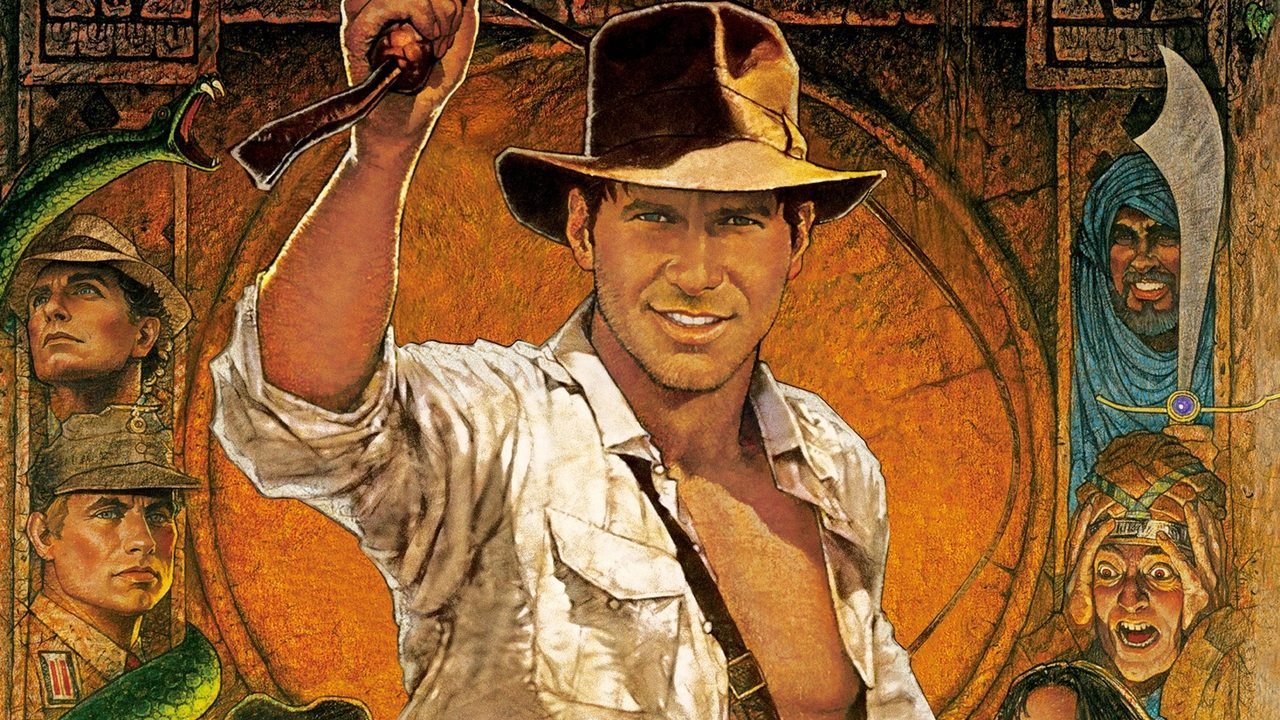
    Begin with Raiders of the Lost Ark (1981), directed by Steven Spielberg and starring Harrison Ford as Dr. Indiana Jones, Karen Allen as Marion Ravenwood, Paul Freeman as Dr. René Belloq and John Rhys-Davies as Sallah. Set in 1936, it sends Indy racing the Nazis to the Ark of the Covenant, and it remains the adventure film by which all others are judged: the boulder, the Cairo streets, the truck chase and the Ark’s terrifying opening are the series’ foundation. Every later film is measured against Raiders, so start here, and start at the beginning.

    The Sequels in Order

    Next comes Indiana Jones and the Temple of Doom (1984), which is technically a prequel — it is set in 1935, a year before Raiders — but watch it second anyway. Release order is the intended experience: the film’s darker, more frantic tone works as a contrast to Raiders, and its story stands alone, with Indy, Willie Scott and Short Round chasing the Sankara Stones in India. Then watch Indiana Jones and the Last Crusade (1989), in which Sean Connery joins as Indy’s father, Henry Jones Sr., and the father-son dynamic gives the series its warmest, funniest film. Follow that with Indiana Jones and the Kingdom of the Crystal Skull (2008), which brings Indy into the 1950s and introduces his son Mutt, and finish with Indiana Jones and the Dial of Destiny (2023), in which an older Indy, joined by his goddaughter Helena, chases the Archimedes Dial for one last adventure.

    Why Release Order Works

    Release order works because each film was made for an audience that had seen the ones before it. The jokes, the callbacks and the aging of Indy himself all land in the order they were released, and the one chronological wrinkle — Temple of Doom’s 1935 setting — changes nothing about the story, since the films are self-contained adventures rather than chapters of one plot. Chronological order would only swap the second film to the front and spoil nothing, but it would also break the rhythm the filmmakers built. Trust the order the series was made in.

    The Young Indy Footnote

    Completists should know about The Young Indiana Jones Chronicles, a television series that aired in the early 1990s and follows Indy as a boy and young man on adventures around the world, meeting historical figures along the way. It is charming, educational and entirely optional: it does not set up anything in the films, and the films do not depend on it. Watch it after the five films if you want more Indy, and treat it as a bonus chapter rather than a step in the order. The same goes for the various novels, comics and games — enjoyable extras, not required reading.

    The Full Order, Summarized

    The complete Indiana Jones watch order is: Raiders of the Lost Ark, Indiana Jones and the Temple of Doom, Indiana Jones and the Last Crusade, Indiana Jones and the Kingdom of the Crystal Skull, and Indiana Jones and the Dial of Destiny — in that order, with The Young Indiana Jones Chronicles as an optional extra at the end. Keep it simple, keep it in release order, and let the fedora do the rest. For another hero whose adventures are best watched in the order they were released, Back to the Future follows the same satisfying rule.