Category: Articles

  • Avatar: Aang, The Last Airbender Movie — Release Date, Adult Gaang Cast and Story

    Avatar: Aang, The Last Airbender Movie — Release Date, Adult Gaang Cast and Story

    Avatar aang the last airbender movie 2026 is the animated return fans have been waiting for, but an exact release date is not officially confirmed yet in the reporting checked for this article. The film follows Aang as a young adult, years after the original series, with the Gaang returning to a world that has changed around them and a responsibility that has only grown heavier.

    An Older Aang, a Changed World

    The appeal of an adult Aang is clear: the boy who ended a war must now live with the peace he helped build. That peace is fragile, the nations are still divided by old grievances, and the Avatar’s role as a bridge between worlds is harder when every side wants him to choose it first.

    The film’s story, as described on the title page, sends Aang on a journey across nations, cultures and old battle lines, with Katara, Sokka, Toph and Zuko by his side. Their friendships are the heart of the story, because the Gaang grew up together and their loyalty is tested by adult choices, not just by villains.

    For the full background on the saga so far, see our complete Avatar: Aang, The Last Airbender title page, which covers the film and its world.

    The Adult Gaang Cast

    The title page lists Eric Nam as Aang, Jessica Matten as Katara, Roman Zaragoza as Sokka and Steven Yeun as Zuko, with Dee Bradley Baker as Appa and Momo. Casting details for animated films can change during production, so official studio announcements remain the best confirmation for the final lineup, including the voice for Toph.

    What matters most is how the voices capture characters fans already know. An older Katara should sound wiser but still fierce, an older Sokka should keep his humour without losing his growth, and Zuko’s return should carry the weight of his redemption, not simply repeat it.

    Fans should be cautious about posts that claim to reveal the full plot, final cast or ending before an official trailer or synopsis appears. A trailer, a creator statement or an official listing counts as news, and until one appears, such claims remain speculation.

    What the Story Could Explore

    A story about an adult Avatar can ask questions the original series only touched: what happens when the hero’s victory fades, when former enemies become allies and when the next generation looks to Aang for answers he does not have? Those themes suit animation, because the bending, the landscapes and the creatures can be as expressive as the dialogue.

    The film also has a chance to show the Gaang as adults with separate lives, responsibilities and disagreements. Their reunion should feel earned, not automatic, and their differences should drive the story as much as any external threat.

    Animation can also show bending at a scale live action struggles to match, from vast water and earth sequences to quiet moments where a single gesture says more than a speech, and that visual language is part of why the original series still resonates.

    Release Date and Where to Watch

    The 2026 window in the film’s title and listings gives fans a timeframe, but an exact date is not officially confirmed yet, so readers should check official studio and cinema listings before planning around a specific day. A theatrical release, followed by streaming availability, is the pattern to expect, with details confirmed closer to release.

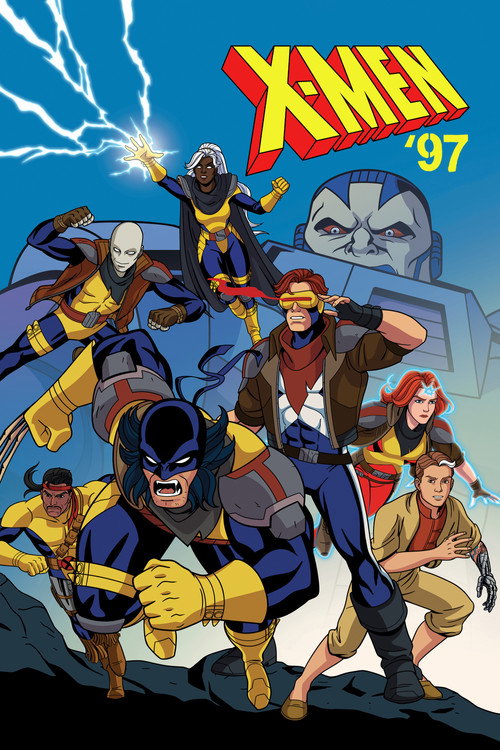
    For another animated return with a beloved cast, X-Men ’97 shows how a revival can honour its original while telling a more adult story.

    For the full film guide, cast and trailer, see our complete Avatar: Aang, The Last Airbender title page.
  • Back to the Future Watch Order: All Three Films and the Timeline, Untangled

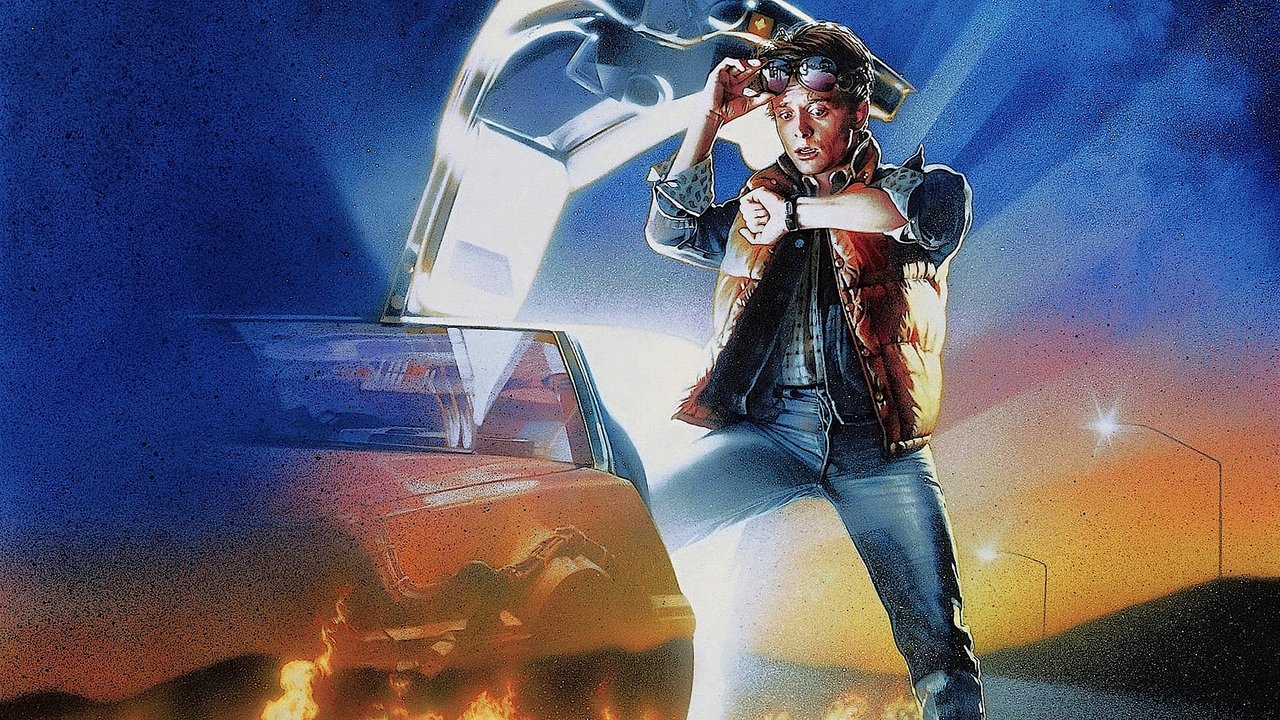
    Back to the Future Watch Order: All Three Films and the Timeline, Untangled

    Back to the Future has the cleanest watch order of any time-travel franchise: watch the three films in release order, and the timeline takes care of itself. There are no reboots, no alternate cuts to reconcile and no spin-offs you need to see first — just Marty McFly, Doc Brown and a DeLorean, across three films that were designed to be watched in order. This guide gives you the Back to the Future watch order and untangles the timeline as you go.

    Start Here: Part I

    Begin with Back to the Future (1985), directed by Robert Zemeckis and starring Michael J. Fox as Marty McFly, Christopher Lloyd as Emmett Brown, Crispin Glover, Lea Thompson and Thomas F. Wilson as Biff. Marty is accidentally sent back to 1955, where he must make sure his young parents fall in love — or erase himself from existence. The first film is self-contained, funny and perfectly constructed, and it sets up every rule the sequels will play with: the timeline can be changed, changes have consequences, and a photograph can tell you whether you are succeeding.

    Then: Part II

    Next comes Back to the Future Part II (1989), which picks up immediately where Part I ends and sends Marty to 2015, then back to 1955 — this time revisiting the events of the first film from new angles, as old Biff’s interference creates a dark alternate 1985 that Marty and Doc must undo. Part II is the most intricate film in the trilogy, and it rewards having Part I fresh in your mind: its pleasures are all in the overlaps, the repeated scenes seen from the other side, and the way small changes ripple outward. Watch it second, directly after Part I, and the puzzle pieces click into place.

    Then: Part III

    Finish with Back to the Future Part III (1990), which follows immediately from Part II’s cliffhanger and strands Doc in 1885, in the Old West, where Marty must rescue him while Doc falls in love with Clara Clayton. Part III is a gentler, more romantic film than its predecessors — a Western with time travel rather than a time-travel film with a Western detour — and it brings the trilogy to a satisfying close, with Marty learning the lesson the whole series has been building toward: that he does not have to prove himself to anyone. The three films together form one continuous story, and Part III is its ending, not an epilogue.

    The Timeline, Untangled

    It helps to think of the trilogy’s timeline as a single thread that gets tangled and then straightened out. Part I creates one alternate 1985 and then restores a better version of it. Part II creates a darker alternate 1985 and then undoes it, returning to the restored timeline. Part III extends the thread backward to 1885 and then resolves it, leaving the future open — the trilogy’s final message is that the future is whatever you make it. You do not need a diagram to follow this; the films explain themselves as they go, and watching them in order is the diagram.

    The Full Order, Summarized

    The complete Back to the Future watch order is: Back to the Future, Back to the Future Part II and Back to the Future Part III — in that order, with no detours required. The animated series and other spin-offs are optional extras for fans, not steps in the order. Start the DeLorean, and enjoy the ride. For another trilogy built on a single, elegant timeline trick, Terminator 2: Judgment Day pairs its own time-travel paradox with the same heart.

    And if the trilogy leaves you wanting more time-travel stories, the animated series and the short films revisit Hill Valley in lighter form — but the three films remain the complete, self-contained journey.

  • Terminator Watch Order: The Two Timelines Every Fan Should Know

    Terminator Watch Order: The Two Timelines Every Fan Should Know

    Terminator is a franchise with a simple core and a complicated extended family. At its heart are two films that tell one complete story, and everything after them splits into alternate timelines that contradict each other. The good news: you only need to understand two timelines to navigate the whole franchise. This guide gives you the Terminator watch order, explains the two timelines, and tells you where each later film belongs.

    The Core: The First Two Films

    Start with The Terminator (1984), directed by James Cameron, in which a cyborg assassin is sent back in time to kill Sarah Connor, and a soldier named Kyle Reese follows to protect her. Then watch Terminator 2: Judgment Day (1991), also directed by Cameron and starring Arnold Schwarzenegger, Linda Hamilton as Sarah Connor, Edward Furlong as John Connor and Robert Patrick as the liquid-metal T-1000. Set ten years after the first film, T2 flips the premise — the Terminator is now the protector — and ends with a definitive conclusion: the future is not set, and Judgment Day can be prevented. These two films are the essential Terminator experience, and they form a complete story on their own.

    Timeline One: The Original Continuation

    After T2, one branch of the franchise continues the original timeline: Terminator 3: Rise of the Machines (2003), which argues that Judgment Day was only postponed, not prevented, followed by Terminator Salvation (2009), set in the post-apocalyptic future war itself. This branch treats T2’s hopeful ending as a delay rather than a victory. It is a coherent continuation if you want to see the war the first two films were trying to prevent, but it is optional — T2’s ending works perfectly well without it, and many fans prefer to stop at T2.

    Timeline Two: The Dark Fate Branch

    The second branch begins with Terminator: Dark Fate (2019), which follows directly on from T2 and ignores the events of Terminator 3, Salvation and the Genisys timeline entirely. Dark Fate returns to the T2 formula — a new protector, a new threat, Sarah Connor back in the fight — and treats T2 as the only prior film that matters. Think of it as an alternate sequel to T2 rather than a continuation of the whole series. Meanwhile, Terminator Genisys (2015) creates yet another branch, rebooting the timeline with a new cast and a new set of rules. Genisys is the most convoluted entry and the easiest to skip; it exists in its own timeline and connects to nothing else you need.

    Which Timeline Should You Follow?

    For a first viewing, the answer is simple: watch The Terminator and Terminator 2: Judgment Day, and stop there if you want the cleanest, most satisfying story. If you want more, pick one branch: the original continuation (T3, then Salvation) for the future-war story, or Dark Fate for a direct T2 sequel with a modern cast. Do not try to watch all the timelines as one story — they contradict each other by design, and the franchise itself has rebooted its continuity more than once. The two timelines are the key: everything after T2 belongs to one branch or the other, never both.

    The Full Order, Summarized

    The complete Terminator watch order is: The Terminator, Terminator 2: Judgment Day, then either the original continuation (Terminator 3, Salvation) or the Dark Fate branch, with Genisys as an optional standalone timeline. Start with the first two films, and the future — whichever version of it you choose — will take care of itself. For another take on machine intelligence and survival, Alien pairs its own android and its own unstoppable creature with the same claustrophobic dread.

  • X-Men ’97 Season 2 Release Date: Onslaught, New Suits and Marvel’s Premiere Plans

    X-Men ’97 Season 2 Release Date: Onslaught, New Suits and Marvel’s Premiere Plans

    X-men 97 season 2 release date news is what Marvel animation fans want most, but a confirmed premiere date is not officially confirmed yet in the reporting checked for this article. The Disney+ revival of the 1990s series ended its first season with the team scattered and the world turning against mutants again, leaving a clear opening for a second season built around new threats, new costumes and old enemies.

    Where Season 1 Left the X-Men

    The first season revisited the classic team after Professor X’s absence, with Cyclops leading, Magneto inheriting Xavier’s dream and Genosha’s tragedy changing everything. That ending was not a reset, it was a rupture, and it gave a second season plenty to resolve, from the team’s fractured relationships to the public fear that keeps returning in every era of X-Men storytelling.

    The show’s strength is its mix of Saturday-morning energy and adult themes. It can stage a spectacular battle in one scene and a quiet argument about prejudice, grief or responsibility in the next, which is why fans treat it as more than nostalgia.

    For the full background on the series so far, see our complete X-Men ’97 title page, which covers the show from its first season onward.

    Onslaught and the Villain Question

    Onslaught is the name fans most often attach to a second season, because the character represents a dark fusion of Xavier and Magneto’s minds, and therefore a threat that is personal to the whole team. Whether the season uses Onslaught directly, however, should be confirmed through official trailers or creator statements, because fan speculation often turns a hint into a confirmed villain.

    What is safer to say is that the series needs a villain who tests the team’s unity, not just their powers. After Genosha, a second season works best if its antagonist forces Cyclops, Jean Grey, Wolverine, Rogue, Storm and the rest to disagree about how mutants should survive.

    Fans should be cautious about posts that claim to reveal the full plot, episode list or ending before an official trailer or synopsis appears. A trailer, a creator statement or an official listing counts as news, and until one appears, such claims remain speculation.

    New Suits and the Look of Season 2

    New suits are a natural talking point for a second season, because X-Men comics have always used costume changes to mark a new era. A refreshed look can signal a character’s growth, a change of allegiance or a team that is no longer trying to hide, and the animated series has already shown how much its visual design matters to fans.

    The key question is not simply what the suits look like, but what they mean. A team that returns in matching uniforms is making a statement about unity, while a team in individual, battle-worn designs is telling a story about separation and survival.

    The Cast and Marvel’s Premiere Plans

    The voice cast, including Ray Chase as Cyclops, Jennifer Hale as Jean Grey, Cal Dodd as Wolverine and Lenore Zann as Rogue, gave the revival its emotional continuity with the original series. Any new season would be expected to build around that core, with returning voices mattering as much as new characters.

    Marvel’s premiere plans should also be confirmed through Disney+ and Marvel’s official channels, because release patterns, episode drops and trailers are often reported before they are locked. Checking official listings is the best way to confirm when new episodes will appear.

    Where to Watch

    X-Men ’97 streams on Disney+ in the US, and a new season is expected to follow a similar pattern, with details confirmed closer to release.

    For another Marvel animated story with a large ensemble, Avengers: Doomsday offers a very different, live-action take on heroes facing a multiversal threat.

    For the full series guide, cast and trailer, see our complete X-Men ’97 title page.

  • Alien Watch Order: The Originals, Prequels and Where Romulus-Era Stories Slot In

    Alien Watch Order: The Originals, Prequels and Where Romulus-Era Stories Slot In

    Alien is a franchise with two ways to watch it and one clear recommendation: release order. The films were made across five decades, and their styles swing from horror to action to philosophy, but the story of Ellen Ripley and the xenomorph is told in the order the films came out. This guide gives you the Alien watch order, explains where the prequels and the newer stories fit, and tells you what you can safely skip.

    The Core Order: The Originals in Release Order

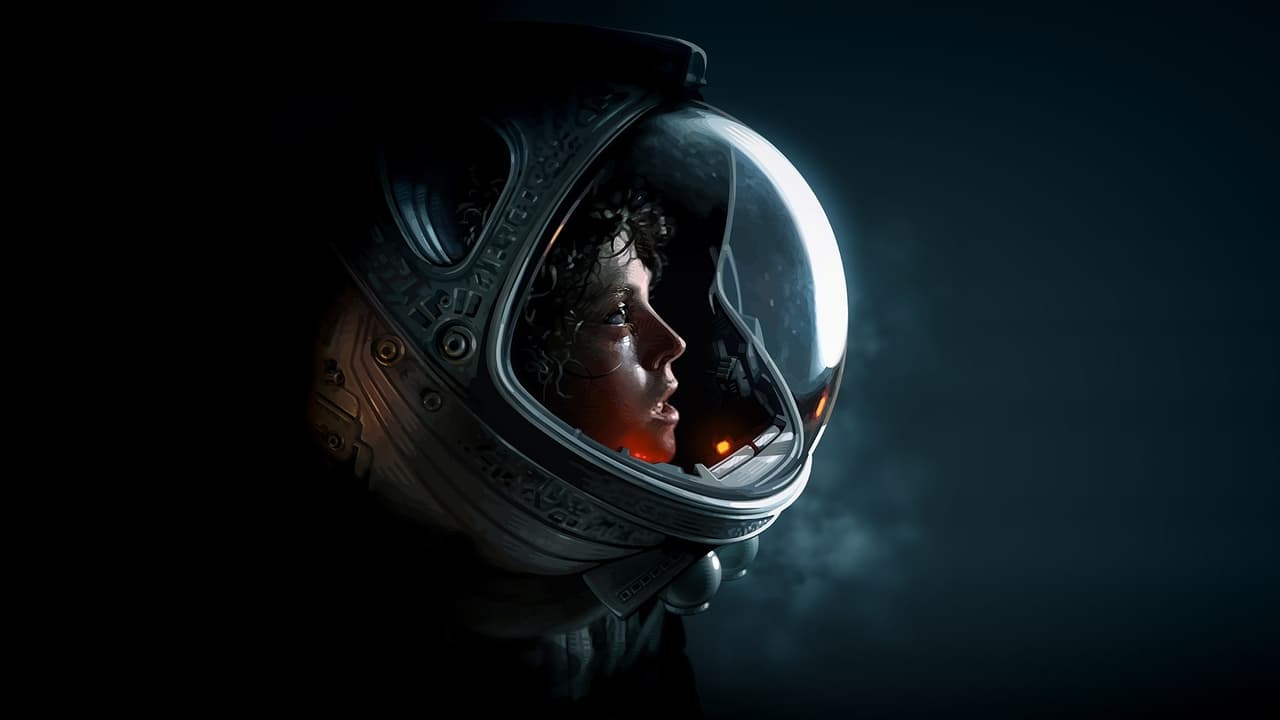
    Start with Alien (1979), directed by Ridley Scott and starring Sigourney Weaver as Ripley, Tom Skerritt, John Hurt and Ian Holm. The original is a haunted-house film in space: the crew of the Nostromo answers a distress call, brings something aboard, and spends the rest of the film trying to survive it. Then watch Aliens (1986), directed by James Cameron, in which Ripley wakes fifty-seven years later and returns to the colony world with a squad of marines, turning horror into action without losing the dread. Together, Alien and Aliens are the essential core of the franchise — two masterpieces in two different genres, telling one continuous story.

    Then: The Sequels

    After Aliens, continue in release order with Alien 3 (1992) and Alien Resurrection (1997), which carry Ripley’s story to its conclusion. Alien 3 strands Ripley on a prison planet, while Resurrection picks up her story in a cloned, stranger form two centuries later. Neither film matches the first two, and opinions on them are sharply divided, but both are part of Ripley’s arc, and both make sense only after Aliens. If you want the complete Ripley story, watch all four in order; if you want only the essential experience, the first two films are the ones that matter most.

    The Prequels: Prometheus and Covenant

    Decades later, Ridley Scott returned with two prequels: Prometheus (2012) and Alien: Covenant (2017). These films are set before the original Alien and explore the origins of the xenomorph and the Engineers, the mysterious beings whose derelict ship the Nostromo crew discovers. For a first viewing, watch the prequels after the original films — they are designed to reward knowledge of the original, and their revelations land harder once you know where the story ends up. For a chronological rewatch, you can place them first: Prometheus, then Covenant, then Alien. Either way, treat them as a separate, more philosophical branch of the franchise rather than a required prologue.

    Where Romulus-Era Stories Slot In

    The most recent chapter, Alien: Romulus (2024), is set between Alien and Aliens, following a group of young colonists who scavenge a derelict station and encounter the creature. Its placement in the timeline is neat — it happens after Ripley’s first encounter and before her return — but for viewing order, watch it after the original films, not between them. Romulus is built from references to the earlier films, and it plays best as a love letter to the originals rather than as a step in a first-time watch. The same logic applies to the newer television and expanded stories: enjoy them after the core films, in release order, and let the timeline sort itself out afterward.

    The Full Order, Summarized

    The complete Alien watch order is: Alien, Aliens, Alien 3 and Alien Resurrection for Ripley’s full arc, then Prometheus and Alien: Covenant as prequels, then Romulus and the newer stories as a coda. Start with the original, and the terror that began on the Nostromo will follow you all the way through.

    One last note for completists: several Alien films exist in alternate cuts — most famously the Assembly Cut of Alien 3 — and the franchise’s extended universe includes comics, novels and games that expand the lore without changing the film order. If you want more after the films, those are dessert, not the main course; the films above are the complete watch order.

  • The Godfather Watch Order: Parts I and II, the Chronological Cut and Part III Versions

    The Godfather Watch Order: Parts I and II, the Chronological Cut and Part III Versions

    The Godfather watch order is refreshingly simple for a saga this rich: watch the films in the order they were released, and the Corleone story unfolds exactly as Francis Ford Coppola intended. There are no timelines to untangle and no reboots to reconcile — just one family, three films, and a handful of alternate cuts for the devoted. This guide gives you the Godfather watch order, explains the chronological cut, and sorts out the different versions of Part III.

    The Core Order: Part I, Then Part II

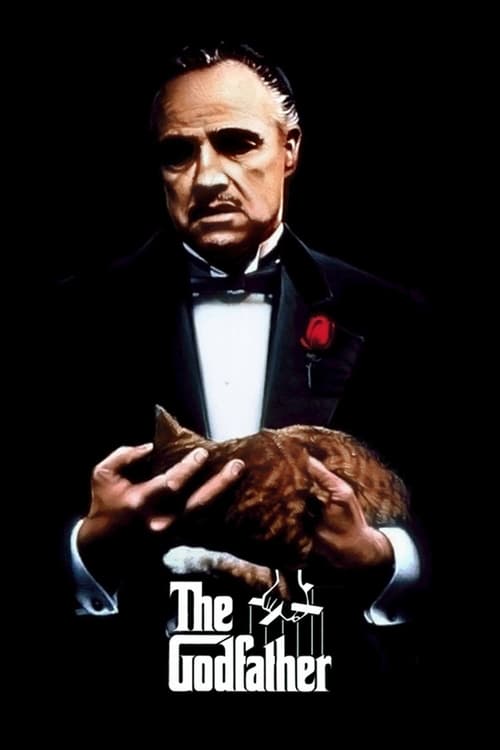
    Start with The Godfather (1972), directed by Francis Ford Coppola and starring Marlon Brando as Vito Corleone, Al Pacino as Michael, James Caan as Sonny and Robert Duvall as Tom Hagen. The first film follows the transfer of power from Vito to Michael, and it stands as one of the most acclaimed films ever made. Then watch The Godfather Part II (1974), which runs two timelines in parallel: Michael’s rule in the 1950s, and the young Vito, played by Robert De Niro, rising from immigrant orphan to New York don. Part II is not a conventional sequel; it is a mirror held up to the first film, and it works precisely because you have seen Part I first. The two films together form the essential Godfather experience.

    Then: Part III

    After Parts I and II, watch The Godfather Part III (1990), which catches up with an older Michael Corleone trying to legitimize the family business and reckoning with the cost of everything he has done. Part III is the most debated film in the trilogy — made sixteen years after Part II, with a different tone and a new generation of characters — but it completes Michael’s arc, and it is best watched as the coda to the first two films rather than judged as a standalone. If you watch only two Godfather films, make them I and II; if you want the whole story, Part III is the final chapter.

    The Chronological Cut: A Rewatch Alternative

    For a second viewing, there is a famous alternative: the chronological cut, originally assembled for television as The Godfather Saga and later refined as The Godfather Epic, which rearranges Parts I and II into strict timeline order — young Vito’s story first, then the events of Part I, then Michael’s later years — with additional scenes restored. It is a fascinating way to re-experience the saga, and at over seven hours it is a genuine marathon. But it is a rewatch option, not a first-watch option: the theatrical films were designed to reveal information in a particular order, and the chronological cut gives away revelations that the films hold back. Watch the trilogy in release order first, then try the chronological cut if you want to see the story reassembled.

    Part III Versions: The Coda

    Part III itself exists in two versions. The original 1990 theatrical cut is the version most viewers know, while the 2020 recut, titled The Godfather Coda: The Death of Michael Corleone, re-edits the film with a new beginning and ending and a tighter structure, reflecting Coppola’s preferred version of the story. For a first viewing, either works; the Coda is arguably the better film, and it is the version Coppola himself now presents as definitive. Whichever you choose, watch it after Parts I and II — the Coda changes the emphasis, not the order.

    The Full Order, Summarized

    The complete Godfather watch order is: The Godfather, The Godfather Part II, then Part III — in the theatrical cut or the Coda version — with the chronological Saga/Epic cut saved for a rewatch. That is the whole saga, in the order Coppola made it, and the order that lets Michael Corleone’s rise and fall land with full force.

  • The Lord of the Rings Watch Order: The Trilogy, Extended Editions and The Hobbit Question

    The Lord of the Rings Watch Order: The Trilogy, Extended Editions and The Hobbit Question

    The Lord of the Rings watch order is one of the simplest in all of fantasy, and that is part of its charm: release order and story order are the same thing. Peter Jackson’s trilogy was filmed as one long story and released in three parts, so you watch the films in the order they came out and the story unfolds exactly as intended. This guide gives you the Lord of the Rings watch order, plus the answers to the two questions every new viewer asks: theatrical or extended editions, and where The Hobbit fits.

    The Core Order: The Trilogy in Release Order

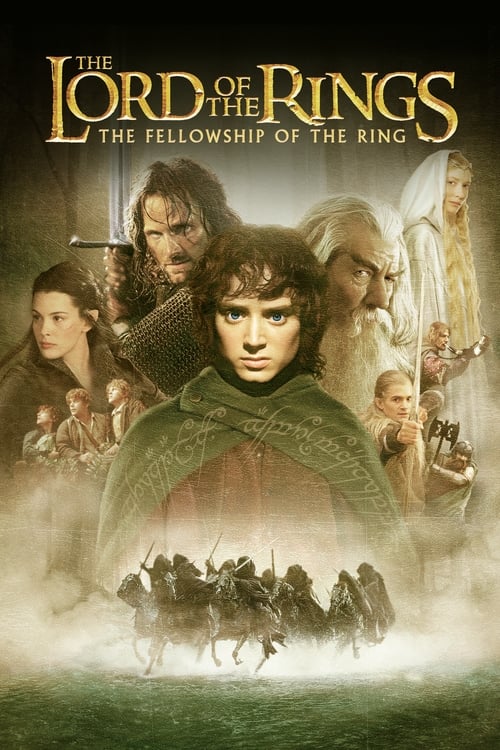
    Start with The Fellowship of the Ring (2001), directed by Peter Jackson and starring Elijah Wood as Frodo, Ian McKellen as Gandalf, Viggo Mortensen as Aragorn and Sean Astin as Sam. The Fellowship introduces the Ring, the quest to destroy it, and the company of nine walkers who set out from Rivendell. Next comes The Two Towers (2002), which splits the Fellowship into three storylines — Aragorn’s war in Rohan, Merry and Pippin with the Ents, and Frodo and Sam’s journey toward Mordor with Gollum, played by Andy Serkis, as their guide. Finish with The Return of the King (2003), which brings the war to Gondor and the quest to Mount Doom, and won all eleven Academy Awards it was nominated for. Watch them in this order, and you watch one story in three movements.

    Theatrical or Extended Editions?

    Each film exists in two versions: the theatrical cut, around three hours each, and the extended edition, which adds roughly thirty to fifty minutes of extra scenes per film. For a first viewing, the theatrical versions are the cleaner experience — they are the versions audiences fell in love with, and they move at a pace Jackson designed for the cinema. For a second viewing, or if you are already a fan of Tolkien’s world, the extended editions are the richer experience, restoring character moments, songs and world-building that deepen the story. Either way, the order does not change: Fellowship, then Two Towers, then Return of the King. Pick one version per film and stick with it across the trilogy.

    The Hobbit Question

    The Hobbit trilogy — An Unexpected Journey, The Desolation of Smaug and The Battle of the Five Armies — is a prequel, telling the story of Bilbo Baggins and the Dwarves’ quest to reclaim Erebor some sixty years before The Lord of the Rings. The chronological temptation is to watch The Hobbit first, but the recommended order is to watch it after the trilogy. The Lord of the Rings was made first and assumes nothing about The Hobbit beyond what it explains itself, while The Hobbit films are full of callbacks and connections that land better once you know the later story. Think of The Hobbit as a prequel in the best sense: a return to Middle-earth after the main event, not a prerequisite for it. It is also optional — the trilogy is complete without it.

    What About the Series and the Rest?

    Beyond the films, the major addition is The Rings of Power, a television series set in the Second Age, thousands of years before the trilogy. It is a separate story with largely separate characters, and it is not required viewing for the films in either direction. If you enjoy the trilogy and want more Middle-earth, watch it after the films; if you only want the core story, skip it entirely. The same applies to animated versions and other adaptations: they are curiosities for fans, not steps in the watch order. The trilogy stands alone, and that is exactly why it has lasted.

    The Full Order, Summarized

    The complete Lord of the Rings watch order is: The Fellowship of the Ring, The Two Towers and The Return of the King — theatrical cuts for first-timers, extended editions for fans — followed by The Hobbit trilogy if you want more, and The Rings of Power after that if you are still hungry. Start with the Fellowship, and the road goes ever on.

  • Ghost in the Shell Watch Order: Stand Alone Complex, Arise and the 1995 Film

    Ghost in the Shell Watch Order: Stand Alone Complex, Arise and the 1995 Film

    Ghost in the Shell is a franchise that looks like a maze and turns out to be a set of separate rooms: the same characters appear in several continuities that do not connect to each other, so there is no single timeline to follow. The good news is that this makes the watch order simpler, not harder — you pick a continuity and watch it in order. This guide explains the Ghost in the Shell watch order, starting with the film most fans recommend first.

    Start Here: The 1995 Film

    Begin with Ghost in the Shell, Mamoru Oshii’s 1995 film, set in 2029 and following Major Motoko Kusanagi, Batou and Togusa of Section 9 as they hunt the hacker known as the Puppet Master. At 83 minutes, it is the purest expression of the franchise’s ideas — what it means to be human when minds can be hacked and bodies replaced — and it stands entirely on its own. You need no prior knowledge, and everything else in the franchise can be understood as a variation on it. If you watch one Ghost in the Shell, watch this one first.

    Then: Stand Alone Complex

    After the film, the most rewarding next step is Ghost in the Shell: Stand Alone Complex, the television series, followed by its second season, 2nd GIG. Stand Alone Complex is a separate continuity from the film: the same characters, the same Section 9, but a different timeline with its own stories, including the Laughing Man case and the Individual Eleven. The series format lets it breathe in a way the film cannot, mixing standalone episodes with long, serialized investigations. Watch the two seasons in order, and treat the film that compiles the first season as optional — it is a recap, not a new story.

    Then: Arise, a Separate Beginning

    Ghost in the Shell: Arise is another separate continuity, a prequel-style retelling that shows a younger Motoko Kusanagi forming the Section 9 team. It consists of a series of episodes later recut as a television series, plus a concluding film. Arise is best watched after the 1995 film and Stand Alone Complex, because it plays on your familiarity with the characters while telling its own version of their origins. Do not try to fit Arise into the film’s timeline or the series’ timeline — it is its own timeline, and it works best when you accept that.

    What About the Other Films and Series?

    Beyond the three main continuities, the franchise includes the 2004 film Innocence, a direct sequel to the 1995 film that continues Oshii’s story and is worth watching right after it, and the more recent SAC_2045 series, a continuation of the Stand Alone Complex continuity made with 3D animation. Innocence belongs immediately after the 1995 film if you want Oshii’s complete vision; SAC_2045 belongs after Stand Alone Complex if you want more of that world. Neither is required, and neither changes the core order. The live-action 2017 film is a separate Hollywood adaptation and sits outside the anime continuities entirely.

    The Full Order, Summarized

    The complete Ghost in the Shell watch order is: Ghost in the Shell (1995), then Stand Alone Complex and 2nd GIG, then Arise, with Innocence after the 1995 film and SAC_2045 after Stand Alone Complex if you want them. That is the whole franchise, organized by continuity rather than by a single timeline — because in Ghost in the Shell, the continuities are the point. Start with the film, and the rest falls into place.

    For a different take on the same questions, Neon Genesis Evangelion pairs giant-robot action with an equally deep exploration of identity and consciousness, and its own watch order — the series, then End of Evangelion, then the Rebuild films — rewards the same kind of careful viewing.

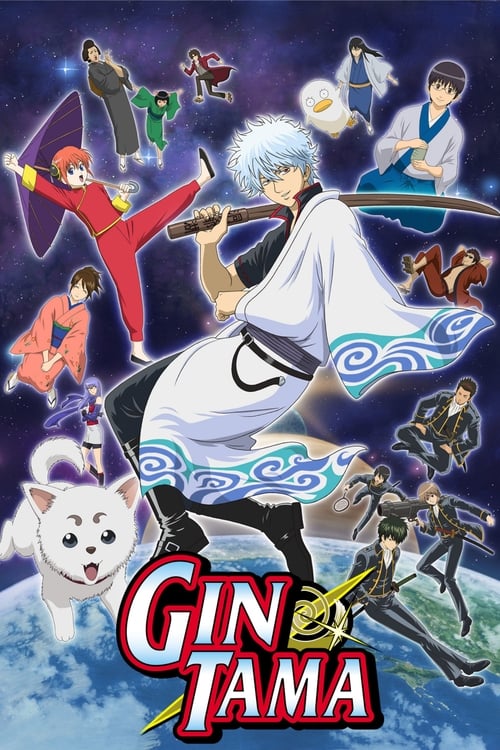
  • Gintama Watch Order: Seasons, the Skip-Worthy Filler and The Final Movie

    Gintama Watch Order: Seasons, the Skip-Worthy Filler and The Final Movie

    Gintama is a 367-episode comedy epic, and its watch order is refreshingly simple: there is one story, told in order, with no timelines to untangle and no reboots to reconcile. The real question is not what order to watch it in, but how much of it you need to watch — because Gintama mixes brilliant comedy filler with serious arcs that are among the best in anime. This guide gives you the complete Gintama watch order, including what you can skip and where the final movie belongs.

    The Core Order: One Long Run, in Broadcast Order

    Start with Gintama, the 2006 series that follows Gintoki Sakata, Kagura and Shinpachi as they run an odd-jobs business in an Edo-era Japan invaded by aliens. The first season premiered in April 2006 with 49 episodes, and the series continued across 11 seasons and 367 episodes in total. Watch it in broadcast order, season by season, and the story unfolds as intended: the early episodes are mostly comedy, the serious arcs grow longer and more consequential as the series goes on, and the characters you laughed with for hundreds of episodes become the ones you fear for in the finale. There is no alternate order and no season to watch out of sequence.

    The Filler Question: What Can You Skip?

    Gintama’s comedy episodes are its signature, but they are also the reason many viewers stall: the series is famous for parody episodes, joke arcs and self-aware filler that breaks the fourth wall. The honest answer is that the comedy is the show — skip all of it and you lose the characters — but you do not need every joke episode to follow the story. The serious arcs, which retell the characters’ pasts and build toward the final war, are essential and unmissable. A practical approach: watch the comedy episodes until you know the cast and love them, then use a filler guide to skip the purely standalone joke episodes when you want to push toward the serious arcs. Skipping filler never breaks the story, because Gintama’s plot lives in its serious arcs, not its jokes.

    The Movies: Where They Fit

    Gintama has two films that matter for the watch order. The first film, a retelling of an early serious arc, is a recap you can safely skip if you have watched the series. The second is the one that counts: Gintama: The Final, the 2021 film directed by Chizuru Miyawaki that serves as the series’ farewell and its true ending. The Final adapts the manga’s climax and closes the story of Gintoki and his friends for good. Watch it last, after all 367 episodes — or after the serious arcs, if you took the filler-skipping path. Watching it earlier would spoil the entire final war and rob the ending of the weight that hundreds of episodes built.

    The Short Path, If 367 Episodes Is Too Many

    If the full run feels impossible, Gintama still works on a shortened path: watch the first season to meet the cast, then follow the serious arcs in order, using episode guides to identify them, and finish with The Final. You will miss some of the comedy that makes the characters beloved, but you will get the complete story — the pasts of Gintoki, Takasugi and Katsura, the war that shaped them, and the finale that resolves it. This is a compromise, not the ideal, and most fans will tell you the comedy is worth the time. But a shortened Gintama is far better than no Gintama, and the serious arcs alone are among the strongest long-form storytelling in anime.

    The Full Order, Summarized

    The complete Gintama watch order is: Gintama in broadcast order, all 367 episodes or the serious-arc path if you are short on time, and then Gintama: The Final as the true ending. That is the whole journey, from the odd-jobs office to the final battle, with no detours and no alternate versions. Start at the beginning, laugh your way through the comedy, take the serious arcs seriously, and save the final film for last — it earns its title.

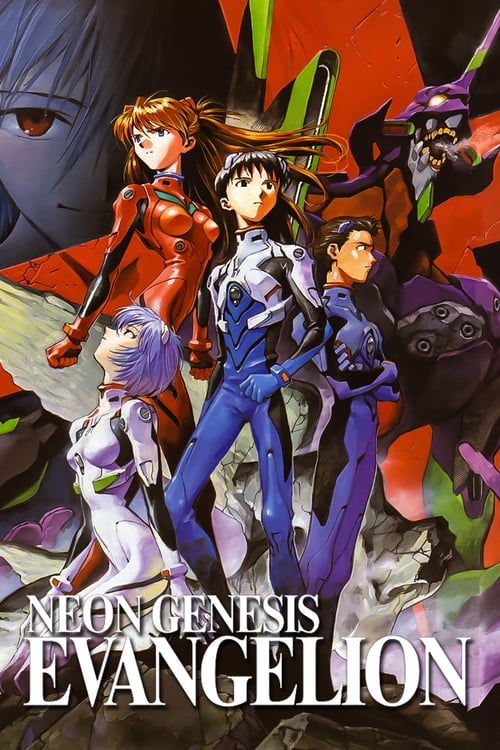
  • Evangelion Watch Order: The Series, End of Evangelion and the Rebuild Films

    Evangelion Watch Order: The Series, End of Evangelion and the Rebuild Films

    Evangelion has one of the most argued-over watch orders in anime, because the story exists in two forms that both claim to be the ending — and then a third form that retells the whole thing. The good news is that the path through it is actually simple, as long as you know which version is which. This guide gives you the definitive Evangelion watch order, from the original series through End of Evangelion to the Rebuild films.

    Step One: The Original Series

    Start with Neon Genesis Evangelion, Hideaki Anno’s 1995 series, which runs 26 episodes. It follows Shinji Ikari, a teenager recruited to pilot a giant Evangelion unit against the mysterious Angels attacking Tokyo-3. The first half plays like a classic mecha series; the second half turns inward, becoming a psychological drama about its characters’ fears and loneliness. Watch all 26 episodes in order. Do not skip the final episodes because you have heard they are strange — their strangeness is the point, and it is exactly what the film that follows responds to.

    Step Two: End of Evangelion

    After the series, watch The End of Evangelion, the 1997 film directed by Hideaki Anno and Kazuya Tsurumaki that serves as the cinematic conclusion to the television series. The film retells the story’s climax in a far more literal, visceral way than the series finale did, showing the events the final episodes only suggested. The two endings are often described as parallel versions of the same conclusion rather than a simple before-and-after, and fans still debate how they fit together — which is part of the experience. The practical advice is simple: watch the film after the series, and let the two endings sit side by side in your mind. Some viewers watch the film after episode 24 and then finish episodes 25–26; either way, the film belongs at the end of the original run, not before it.

    Step Three: The Rebuild Films

    Only after finishing the original continuity should you turn to the Rebuild films: Evangelion: 1.0 You Are (Not) Alone, 2.0 You Can (Not) Advance, 3.0 You Can (Not) Redo, and 3.0+1.0 Thrice Upon a Time. The Rebuilds begin as a retelling of the series with modern animation, then diverge into something stranger and more personal, and they are best understood as a separate continuity — a new version of the story, not a sequel you need to complete the original. Watching them first would spoil the original’s revelations and rob the retelling of its meaning; watching them after lets you appreciate exactly where they follow the original and where they break away from it.

    What Not to Do

    The two mistakes Evangelion newcomers make are starting with the Rebuild films because they look newer, and skipping the series finale because it is abstract. Both mistakes cost you the experience the work is built around: the original series’ slow turn from mecha action to psychological drama, and the way its two endings answer each other. There are no filler episodes to skip and no alternate viewing orders that improve on the simple one. The series is short — 26 episodes — and the film is under ninety minutes, so the entire original run is a weekend’s viewing. Give it that weekend before touching the Rebuilds.

    The Full Order, Summarized

    The complete Evangelion watch order is: Neon Genesis Evangelion (26 episodes), then The End of Evangelion, then the four Rebuild films. That is the whole story, in the order that preserves its surprises and its arguments. It is a short watch with a long afterlife: few series reward rewatching as richly, and few watch orders are as simple once you know which ending is which.