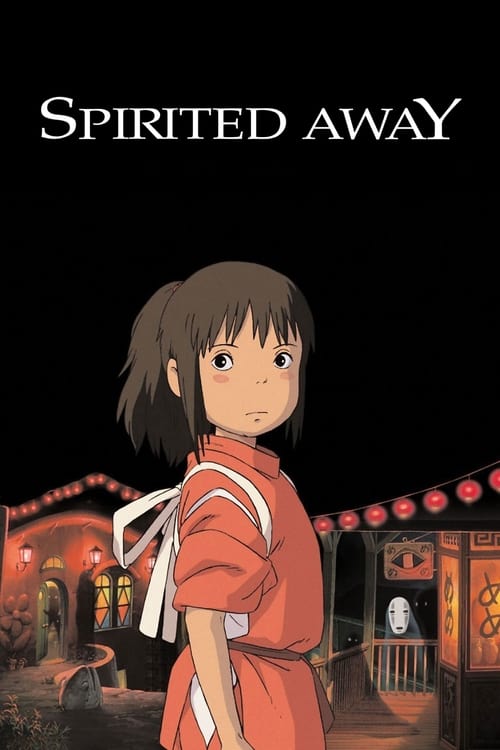
The Studio Ghibli watch order does not need a timeline or a flowchart: Ghibli’s films are almost entirely standalone, so the best order is a curated path through the essentials, starting with the masterpiece and branching out by mood. This guide gives you the Studio Ghibli watch order — the essential path through Miyazaki’s films, plus the one great film by his studio partner that no Ghibli journey should skip.
Start With Spirited Away
Begin with Spirited Away (2001), directed by Hayao Miyazaki and winner of the Academy Award for Best Animated Feature. Ten-year-old Chihiro wanders into a bathhouse for spirits and must work there to free her transformed parents. It is Ghibli’s most complete film — strange, beautiful and endlessly rewatchable — and it teaches you everything about the studio’s way of telling stories: wonder first, explanation later, and a heroine whose courage grows quietly.
The Gentle Classics Next
Next, watch My Neighbor Totoro (1988), Miyazaki’s gentlest film, in which two sisters move to the countryside and befriend the forest spirit Totoro, and Ponyo (2008), his joyful, hand-drawn sea fable about a goldfish girl who wants to be human. These are the films to watch with children — or when you need comfort. They show the other side of Miyazaki: not the epic adventurer, but the poet of childhood, rain, gardens and the small magic of everyday life.
The Epics and the Romance
Then turn to the epics: Princess Mononoke (1997), Miyazaki’s fierce forest fable about a prince caught between the gods of the forest and the humans cutting it down, and Howl’s Moving Castle (2004), his romantic fantasy about a young woman cursed into old age and the flamboyant wizard she falls for. These are the grandest, most ambitious Ghibli films, and they reward watching after the gentler ones, when you already trust Miyazaki’s world-building. Finish this stretch with The Wind Rises (2013), his bittersweet, grown-up portrait of the airplane designer Jiro Horikoshi — the most reflective film in the essential path.
The Essential Exception: Grave of the Fireflies
No Ghibli path is complete without Grave of the Fireflies (1988), directed not by Miyazaki but by his studio co-founder Isao Takahata. It follows two siblings struggling to survive in wartime Japan, and it is one of the most devastating films ever made. Watch it last, on its own, when you are ready — it is not a Miyazaki film, but it is essential Ghibli, and it shows the studio’s other genius: a realism as powerful as any fantasy.
Beyond the Essentials
Once you have finished the essential path, the rest of the studio opens up. Kiki’s Delivery Service (1989) is the warmest coming-of-age story in the catalogue, Nausicaä of the Valley of the Wind (1984) is the film that made Miyazaki’s name before Ghibli even existed, and The Boy and the Heron (2023) is his late-career return — a dreamlike, deeply personal film that plays like a farewell and a new beginning at once. None of these changes the order above; they extend it, and they are the reward for falling in love with the essentials first.
The Full Order, Summarized
The essential Studio Ghibli watch order is: Spirited Away, My Neighbor Totoro, Ponyo, Princess Mononoke, Howl’s Moving Castle, The Wind Rises, and Grave of the Fireflies. For another studio whose films reward watching in release order, the Pixar watch order is the natural companion piece. Take your time with it: Ghibli films are meant to be savored, not binged, and the best watch order is the one that leaves you wanting the next film. Watch one a week, and the journey will last a whole season.
Leave a Reply