Category: Articles

  • All of Us Are Dead Parents Guide: Gore, Language and Age Appropriateness

    All of Us Are Dead Parents Guide: Gore, Language and Age Appropriateness

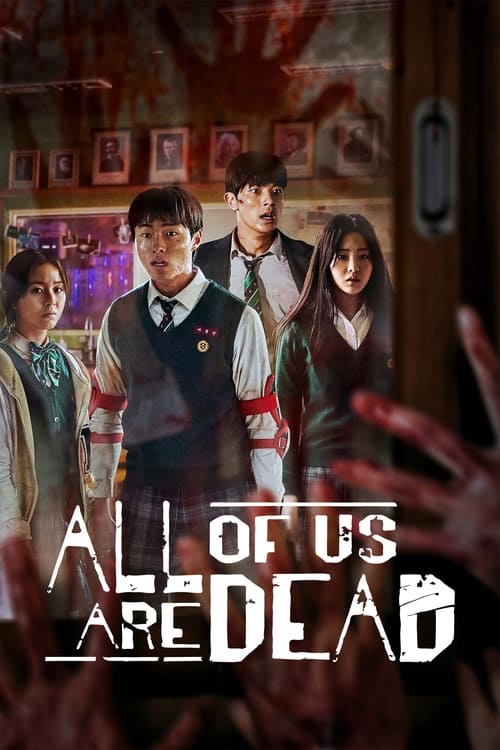
    all of us are dead parents guide is essential reading before this one lands on a teen’s watchlist, because the school setting makes it look deceptively age-appropriate. It is not. All of Us Are Dead is a Korean zombie series rated TV-MA, and its mix of gore, school violence and heavy themes puts it firmly in the older-teen bracket. Here is what is actually in it.

    The Rating: TV-MA on Netflix

    Netflix rates All of Us Are Dead TV-MA for mature audiences. The premise: a virus created in a high-school science lab turns students and staff at Hyosan High School into zombies, and a small group of surviving students must fight, hide and escape while the city is quarantined. The school setting is the trap for parents — the main characters are teenagers, but the content is made for adults. Independent guides generally place it at 16+, and that matches the show’s intensity.

    Gore: The Main Issue

    Gore is the show’s defining content category. Zombies bite, tear and swarm; students are mauled on camera; blood is everywhere, and deaths are frequent, graphic and often prolonged. Unlike some zombie shows that cut away, this one stays with the violence: chases through corridors, barricaded classrooms overrun, and characters dying in front of their friends. There is also a distinctive horror element — the hambies, half-zombie students who keep their minds but crave flesh — which adds body-horror scenes of transformation and hunger. If your teen is squeamish about blood or about characters dying violently, this is the deciding factor.

    Language, Bullying and Dark Themes

    Strong language runs through the show, in Korean audio and English subtitles alike. More important are the themes. School bullying is central to the story — the virus itself grows out of a bullied student’s suffering — and the show depicts bullying, assault and cruelty between students in unflinching detail. Suicide and self-harm themes appear in backstories, and the series repeatedly asks what ordinary teenagers will do to survive when adults fail them. There is also some sexual content and brief nudity, though far less prominent than the gore, plus smoking and drinking among adult characters.

    What About Younger Teens?

    Children under 13 should not watch All of Us Are Dead: the gore alone rules it out, and the bullying scenes can be distressing for kids still in school themselves. For ages 13 to 15, most guides advise against it; the combination of graphic zombie kills and realistic bullying is a lot for that age group. For 16- and 17-year-olds, it can be appropriate with discussion — the show is, underneath the horror, a story about friendship, loyalty and who steps up in a crisis, and older teens can appreciate that layer once the shock value is understood.

    The Positive Side: What Older Teens Get From It

    For the right age group, All of Us Are Dead is more than a gore showcase. Its core is a group of classmates who protect each other, make impossible choices and refuse to leave anyone behind, and its criticism of adults who ignore bullying gives older teens something real to talk about. The show never pretends its violence is fun — it shows the cost of every death — and that seriousness is why it works better as a conversation starter than as casual background viewing.

    The Bottom Line for Parents

    So what does this All of Us Are Dead parents guide conclude? TV-MA, heavy zombie gore in nearly every episode, strong language, and bullying and suicide themes that deserve a conversation. The school setting does not make it a school show — it makes it a horror show about school, and that distinction matters. Keep it off younger kids’ profiles, and if an older teen watches, talk about the bullying storyline as much as the zombies: it is the part of the show that sticks. For another TV-MA Korean series parents ask about, our Squid Game guide breaks down a different kind of intensity.

    Still unsure? Start with All of Us Are Dead yourself — the first episode shows you the gore level within minutes.

  • Code Geass Ending Explained: The Zero Requiem and Lelouch’s Sacrifice

    Code Geass Ending Explained: The Zero Requiem and Lelouch’s Sacrifice

    ⚠ Spoilers ahead

    Code geass ending explained: Lelouch becomes the world’s hated tyrant on purpose, then lets his best friend Suzaku, disguised as Zero, assassinate him in public, so the world can unite in peace.

    The Zero Requiem

    Lelouch vi Britannia, voiced by Jun Fukuyama, is an exiled prince with the Geass, a power that lets him command absolute obedience from anyone who meets his gaze. Across two seasons he builds a rebellion as the masked Zero, loses his sister figure, his friends and his reputation, and finally conquers the world as its emperor. But his conquest is not the plan. It is the setup.

    For the full series background, see our complete Code Geass: Lelouch of the Rebellion title page.

    The Zero Requiem is Lelouch’s final plan, worked out with Suzaku, voiced by Takahiro Sakurai, and C.C., voiced by Yukana. Lelouch will rule the world as a cruel tyrant, concentrating all of humanity’s hatred on himself. Then, in a public ceremony, Suzaku, wearing the mask of Zero, will assassinate him in front of the whole world. The hated emperor dies, Zero becomes a hero, and a world that hated one man together can begin to heal together.

    The Assassination

    The finale, titled Re:, plays the plan out in full. Lelouch rides in a parade through the streets, flanked by his enemies, now his prisoners. Suzaku, as Zero, steps forward and runs him through with a sword. As Lelouch falls, he smiles, and in his dying moments he shares his memories with Suzaku through the Geass, showing him that this was always the plan, and that Suzaku’s role is to live on as Zero, the symbol the world needs.

    Nunnally, Lelouch’s blind sister, touches his hand as he dies and, through her own ability to sense memories, understands everything he did and why. Her grief is the scene’s emotional core: the one person Lelouch most wanted to protect finally knows the price he paid, and cannot stop it.

    The World After Lelouch

    The epilogue shows what the Zero Requiem bought. The world leaders gather in peace, the Black Knights are free, and Kallen, who once fought beside Lelouch as Zero’s most loyal soldier, returns to a normal life and a school she can finally attend without war hanging over it. The hatred that divided Britannia and Japan has lost its focus, because the man it was aimed at is gone. It is a quiet, hopeful coda, and it deliberately does not promise that peace will last forever, only that it is possible now.

    Is Lelouch Alive?

    The final scene shows a cart driver in a field, wearing a hood, with C.C. riding beside him, talking about how Geass is a wish that can be granted or denied. Fans have debated for years whether the driver is Lelouch, kept alive by the Code he inherited from his father, or simply a lookalike. The series itself never confirms it, and the official sequel materials treat Lelouch as dead in the main timeline, returning only in the separate alternate-timeline films. The honest answer is that the ending works either way: Lelouch’s sacrifice is complete whether he lives in secret or not, because the world believes he is dead, and that belief is what the Zero Requiem needed.

    What the Ending Means

    Code Geass ends by asking whether peace built on a lie can be real. Lelouch becomes a monster so the world does not have to, and his reward is to be hated by everyone he saved. Suzaku, who spent the series fighting for justice through lawful means, must live a lie as Zero forever. The ending is triumphant and devastating at once, which is why it is still debated more than a decade later: it gives the world peace, and it costs its hero everything.

    For another ending where a hero pays the ultimate price for his plan, see our complete Death Note title page.

    For the full series guide, cast and trailer, see our complete Code Geass: Lelouch of the Rebellion title page.

  • Death Note Ending Explained: Light’s Last Stand and Near’s Checkmate

    Death Note Ending Explained: Light’s Last Stand and Near’s Checkmate

    ⚠ Spoilers ahead

    Death note ending explained: Near swaps the real Death Note for a fake, Light is exposed at the warehouse, and Ryuk writes Light’s name in his own Death Note.

    The Trap: Mello’s Kidnapping

    Light Yagami, voiced by Mamoru Miyano, has ruled the world as Kira for years, using the Death Note to kill criminals and anyone who threatens him. His great rival L, voiced by Kappei Yamaguchi, is dead, killed by the Death Note, but L’s successors, Near and Mello, have taken up the hunt. The final trap is set in motion by Mello, the more reckless of the pair, who kidnaps Kiyomi Takada, Light’s spokesperson and the current holder of a Death Note.

    For the full series background, see our complete Death Note title page.

    To save Takada, Light is forced to act. He orders his loyal follower Teru Mikami to kill her, and Mikami obeys, writing her name in his Death Note. But to do it, Mikami must retrieve the real notebook from the bank vault where he hides it. That single trip is the mistake Near has been waiting for. Near’s agent Geovanni has been watching Mikami, and he copies the notebook’s contents and swaps the real book for a fake, page by page, without Mikami noticing.

    The Warehouse Meeting and Near’s Checkmate

    The endgame plays out at a warehouse meeting, where Near, voiced by Noriko Hidaka, and his team face Light and the remaining members of the Japanese task force. Light’s plan is simple: Mikami will write everyone’s name in the Death Note, killing them all, and Light will walk away as the only survivor. Mikami does exactly that, writing the names in the book he believes is real.

    Nobody dies. The book is the fake Near’s team substituted, and Near calmly explains how he knew. Mikami’s trip to the bank vault exposed the hiding place, Geovanni copied the real notebook, and the substitution was made. Near even reveals that he knew Light was Kira all along, because he inherited L’s reasoning and because Light’s own behavior, the way he pushed the investigation toward his enemies, gave him away. Light’s carefully constructed godhood collapses in a single room, in front of the police officers he once led.

    Light’s Last Stand and Ryuk’s Final Act

    Light does not surrender. He has one last weapon: a scrap of the real Death Note hidden in his watch. He tries to write Near’s name, but Matsuda, the task force member who once idolized him, shoots him. Light staggers out of the warehouse, wounded and bleeding, and climbs a flight of stairs. Ryuk, the shinigami who dropped the Death Note into the human world at the start of the story, watches him. Ryuk had promised long ago that when Light’s time came, he would be the one to write his name.

    Ryuk keeps that promise. He writes Light’s name in his own Death Note, and Light dies on the warehouse steps, seeing a vision of L standing over him. It is the ending the story always promised: the boy who believed he could become a god is killed by the same rules he exploited, and the god of death who started it all simply writes the final entry and moves on.

    What the Ending Means

    Death Note’s ending works because it defeats Light with his own methods. He is not beaten by force but by observation, patience and a single moment of carelessness, the same qualities that made him Kira in the first place. Near wins not by being smarter in the abstract, but by understanding that Light’s arrogance, his belief that no one could follow his reasoning, was itself a weakness. The series ends where it began, with the Death Note itself, a tool that promises godhood and delivers only death.

    For another ending where a brilliant plan ends in tragedy, see our complete Attack on Titan title page.

    For the full series guide, cast and trailer, see our complete Death Note title page.

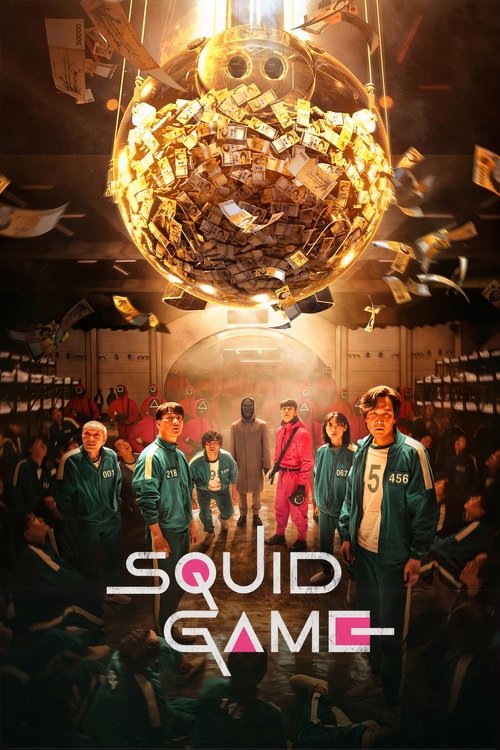
  • Squid Game Parents Guide: Age Rating, Violence and What Kids Shouldn’t See

    Squid Game Parents Guide: Age Rating, Violence and What Kids Shouldn’t See

    squid game parents guide age rating is the first thing to check before letting a teenager press play, because the show’s bright, playground look hides one of the most violent series on Netflix. Squid Game is rated TV-MA, the US television equivalent of an adults-only rating, and it earns it in the first episode. Here is exactly what is in it, broken down by category, so you can decide who in your house should watch.

    The Rating: TV-MA and What It Means

    Netflix rates Squid Game TV-MA, meaning it is intended for mature audiences. The show’s premise explains why: 456 people in crushing debt agree to play children’s games — Red Light, Green Light, tug of war, marbles — for a prize of 45.6 billion won, and players who lose a game are killed on the spot. There is no version of this show that is safe for younger children, and the rating is consistent across all three seasons. Independent guides such as Common Sense Media put it at 16+, which is a reasonable floor: even older teens should watch with the context below in mind.

    Violence: Graphic and Constant

    Violence is the show’s main content issue, and it is not cartoonish. Players are shot, fall to their deaths, are beaten, and die in traps; the camera does not look away, and deaths happen in nearly every episode. The violence is deliberate rather than accidental: the games are designed so that losing means dying, and the show lingers on the fear and the aftermath. Season 1’s marble game and the glass bridge are famous precisely because they are emotionally brutal. If your teen is sensitive to on-screen death or to characters being killed casually, this is the deciding factor — the violence never lets up across the series.

    Language, Suicide and Dark Themes

    Strong language runs through the show, including frequent profanity in both the Korean audio and the English subtitles. More important for parents are the themes: debt, gambling addiction, betrayal and suicide. A major character takes his own life in the season 1 finale, and suicidal thoughts and desperation are woven through several backstories, including players who joined the games because they saw no other way out. These scenes are handled seriously rather than sensationally, but they are heavy, and they deserve a conversation if a teenager watches. The show also includes some sexual content and nudity, though far less than its violence, and frequent smoking and drinking.

    What About Younger Teens?

    Children under 13 should not watch Squid Game, full stop — the combination of graphic killing and suicide themes is too much for that age group, and the playground imagery can make it confusingly appealing. For ages 13 to 15, most parents’ guides advise against it; if an older teen in this range is determined to watch, watch the first episode together first and decide from there. For 16- and 17-year-olds, the show can be appropriate with discussion: the series is, at heart, a satire about debt and inequality, and older teens often get more from it when a parent helps them unpack the themes rather than just the gore.

    The Bottom Line for Parents

    So what is the verdict of this Squid Game parents guide? TV-MA, graphic violence in every episode, strong language, and suicide and debt themes that need context. It is not a kids’ show wearing a colorful costume — it is an adult drama that borrows children’s games to make a point about desperation. If your household has younger children, keep it for after bedtime and off shared profiles; if your teen watches, watch at least the first episode with them and talk about the debt, the choices and the cost. For another mature Korean series parents ask about, our All of Us Are Dead guide covers a different kind of intensity.

    Still deciding? Start with Squid Game yourself first — one episode tells you everything you need to know about whether it suits your teen.

  • Attack on Titan Ending Explained: Eren’s Plan, the Rumbling and the Final Pages

    Attack on Titan Ending Explained: Eren’s Plan, the Rumbling and the Final Pages

    ⚠ Spoilers ahead

    Attack on titan ending explained: Eren unleashes the Rumbling to protect his friends, Mikasa kills him to end the Titan curse, and the final pages warn that the cycle of war may begin again.

    Eren’s Plan and the Rumbling

    Eren Yeager, voiced by Yuki Kaji, begins the story as a boy who wants to destroy the Titans that killed his mother. By the final season, he has learned the truth: the Titans are people, his people, the Eldians of Paradis Island, and the world outside the walls wants them dead. Eren decides to strike first, unleashing the Rumbling, a march of the colossal Wall Titans across the world to trample every nation outside Paradis.

    For the full background, see our complete Attack on Titan title page.

    The Rumbling kills roughly eighty percent of humanity. It is genocide on a scale the story never flinches from, and it is carried out by the hero the audience followed for a decade. Eren’s stated reason is protection: if the world is destroyed, his friends will live, and Paradis will be safe. But in the Paths, the timeless dimension where he speaks to Armin, Eren admits a second, darker motive. He wanted the empty, open world he had imagined as a child, a world of freedom without walls, and he wanted his friends to be the heroes who stopped him, so they would be remembered as saviors rather than monsters.

    Mikasa’s Choice and the End of the Curse

    The alliance of former enemies, soldiers from Paradis and Marley fighting together, finally confronts Eren in his monstrous Founding Titan form. Mikasa Ackerman, voiced by Yui Ishikawa, is the one who reaches him. She enters the Titan’s mouth, finds Eren, and beheads him, kissing his severed head as she does. It is the hardest choice in the series, made by the person who loved him most.

    Her choice is what ends the Titan curse. Ymir, the first Titan, the girl enslaved by King Fritz two thousand years earlier, has watched Mikasa throughout the story. Ymir could never defy Fritz, even in death, because she loved him. When Mikasa kills the one she loves, for the sake of the world, she shows Ymir that love does not have to mean obedience. Ymir is freed, the Titan power vanishes from the world, and every Titan, including the Wall Titans, dissolves into dust.

    The Final Pages: The Cycle Continues?

    The ending does not stop at Eren’s death. In the final pages, the survivors build a fragile peace, but years later, Paradis is destroyed in a new war, bombed from the air by the descendants of the world Eren tried to destroy. Far in the future, a boy and his dog wander through a forest and approach a great tree, the same kind of tree where Ymir first gained the Titan power, growing over Eren’s grave.

    The image is deliberately ambiguous. It suggests that the cycle of violence, fear and power that drove the entire story may begin again, with a new child and a new tree. Or it may simply be a reminder that history repeats when people forget it. Either way, the ending refuses a happy resolution. Eren’s friends survive, but the world does not learn, and the peace they bought with his death does not last.

    What the Ending Means

    Attack on Titan’s ending is divisive because it refuses to make Eren a simple villain or a simple hero. He is a boy who wanted freedom, who became a monster to get it, and who arranged his own death so his friends could live. Mikasa’s love, not Armin’s strategy or Levi’s blades, is what finally breaks the curse, because the story’s central question was never about Titans. It was about whether love can survive violence, and whether freedom is worth the price Eren paid.

    For another ending where a brilliant plan ends in tragedy, see our complete Death Note title page.

    For the full series guide, cast and trailer, see our complete Attack on Titan title page.

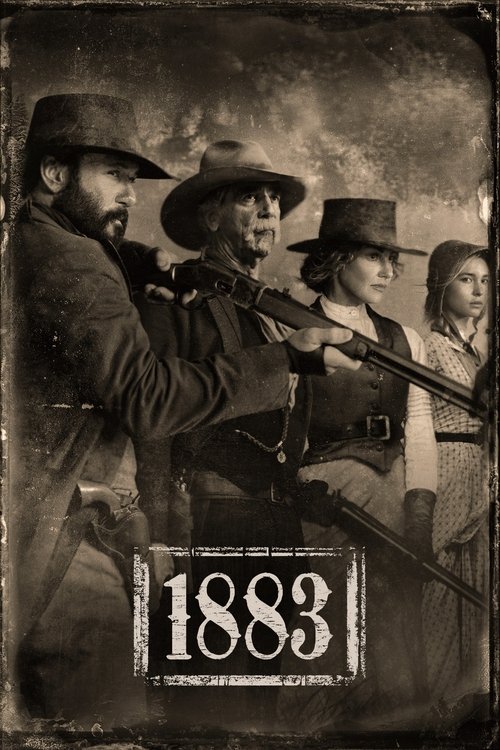
  • 1883’s True Story: The Real Oregon Trail History Behind the Yellowstone Prequel

    1883’s True Story: The Real Oregon Trail History Behind the Yellowstone Prequel

    1883 true story history is a question that comes up fast, because Taylor Sheridan’s Yellowstone prequel feels so real that viewers assume the Duttons were a real family. They were not. 1883 is fiction — James, Margaret and Elsa Dutton are invented characters — but the world they travel through is built from genuine Oregon Trail history, and the dangers that kill its characters are the dangers that really killed pioneers.

    The Duttons Are Fiction — the Trail Is Not

    1883 follows the Dutton family leaving Texas in 1883, joining a wagon train led by the former soldier Shea Brennan (Sam Elliott) and heading north toward Montana, where they will found the Yellowstone ranch. None of the Duttons existed: Sheridan created them as the ancestors of Yellowstone’s John Dutton. What is real is the migration itself. Between the 1840s and 1869, hundreds of thousands of Americans traveled west in wagon trains, most along the Oregon Trail, a roughly 2,000-mile route from Missouri jumping-off towns like Independence to Oregon’s Willamette Valley. The show’s wagon train, with its guides, its rules and its fragile order, is a faithful picture of how those journeys were organized.

    The Real Dangers: Disease, Rivers and Accidents

    The show’s most harrowing episodes are also its most accurate. Disease was the great killer of the trail: cholera, dysentery and measles swept through camps, and historians estimate that roughly one in ten travelers died on the journey, most from illness rather than violence. River crossings were the second great danger — wagons overturned and people drowned in swollen rivers, just as the show depicts. Accidents with wagons, firearms and livestock filled out the toll. Sheridan’s show gets this hierarchy right: the trail killed mostly through sickness and bad luck, not through the gunfights that dominate western movies.

    What the Show Changes: Texas, the Route and the Timeline

    1883 takes liberties with geography and timing. Real Oregon Trail wagon trains typically departed from Missouri, not Fort Worth, Texas, where the show begins — Sheridan starts in Texas because that is where the Duttons live, not because it was a trailhead. The show’s route to Montana also bends the map: the Duttons peel off toward the Paradise Valley, a fictional version of Montana ranch country, while the historical trail pushed on to Oregon. And the year 1883 is late for a classic wagon-train journey: by then the transcontinental railroad, completed in 1869, had made the long overland wagon journey largely obsolete. The show uses 1883 because it needs the Duttons in Montana a set number of years before Yellowstone, not because wagon trains were still common then.

    Native Peoples and the Show’s Honesty

    1883 is unusually careful about Native peoples for a western. The show depicts Comanche and Lakota characters with their own motives, and its portrayal of the violence of westward expansion is darker than the genre’s usual version. Historically, most encounters between wagon trains and Native peoples involved trade or peaceful passage, though conflicts — and the larger tragedy of dispossession — were real and devastating. The show compresses that history into individual encounters, but it does not pretend the land the Duttons claim was empty. That honesty is one reason the series is taken seriously as history-adjacent drama rather than simple mythmaking.

    The Bottom Line

    So is 1883 a true story? No — the Duttons, Shea Brennan and Elsa’s narration are fiction. But the history around them is real: the wagon trains, the cholera camps, the river crossings and the hard arithmetic of a journey where one traveler in ten never arrived. Sheridan’s trick is to wrap invented people around documented facts, so the fiction feels true because the world is true. If you like that kind of history check, our Shōgun guide separates the real William Adams from Blackthorne in the same way.

    Ready to rewatch the journey? Start with 1883 on Paramount+ and watch for the trail’s real dangers behind the drama.

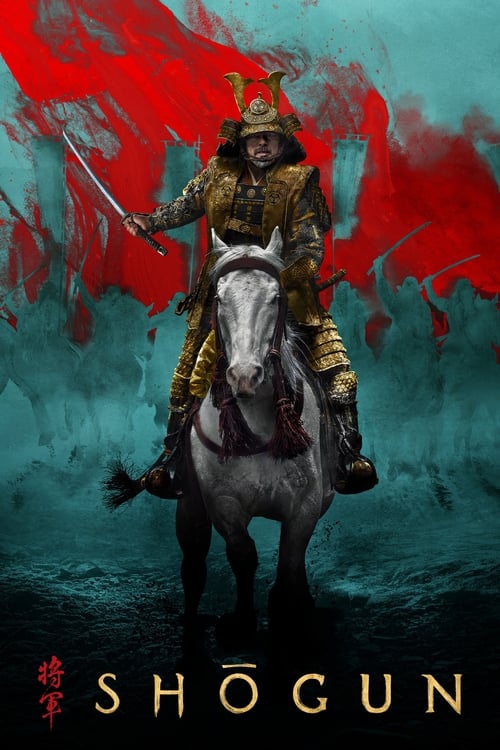
  • Shogun’s True Story: The Real Anjin, Toranaga and the History Behind FX’s Epic

    Shogun’s True Story: The Real Anjin, Toranaga and the History Behind FX’s Epic

    shogun true story is a question every viewer asks, because FX’s epic feels too rich to be invented — and the surprising answer is that its spine really happened. Shōgun, adapted from James Clavell’s 1975 novel, follows an English navigator shipwrecked in Japan in 1600 and drawn into a war for the country’s future. The names are changed, but the people and the power struggle behind them are real history.

    The Real Anjin: William Adams

    John Blackthorne is the show’s version of William Adams, an English navigator who reached Japan in April 1600 aboard the Dutch ship Liefde, the sole surviving vessel of a five-ship expedition. Like Blackthorne, Adams was detained, interrogated, and eventually taken into the confidence of the rising warlord Tokugawa Ieyasu. Adams really did become Ieyasu’s advisor on shipbuilding and foreign trade, received samurai status, took the Japanese name Miura Anjin — Anjin means pilot — and was granted a fief at Miura. He married a Japanese woman, had a family, and was never allowed to return to England, dying in Japan in 1620. The show invents his romance with Mariko and many of his conversations, but the arc of his life is remarkably faithful.

    Toranaga Is Tokugawa Ieyasu

    Yoshii Toranaga, played by Hiroyuki Sanada, is Tokugawa Ieyasu, the warlord who would found the Tokugawa shogunate that ruled Japan for over 250 years. In 1600, Japan was governed by a Council of Regents after the death of the great unifier Toyotomi Hideyoshi, and Ieyasu was maneuvering against his rivals. The show’s central conflict — Toranaga isolated by the council and scheming his way out — mirrors Ieyasu’s real political game. The decisive Battle of Sekigahara in October 1600, which the first season builds toward but does not show, really happened: Ieyasu’s Eastern Army crushed the Western Army led by Ishida Mitsunari, the model for the show’s Ishido. Ieyasu became shogun in 1603.

    Mariko, Ochiba and the Women of the Story

    Toda Mariko, played by Anna Sawai, is based on Hosokawa Gracia, born Akechi Tama, the daughter of the warlord Akechi Mitsuhide. Like Mariko, Gracia was a Christian convert married into a powerful family, and she died in 1600 during the hostage crisis at Osaka Castle, when Ishida’s forces tried to seize the regents’ families. The show’s Mariko is a composite in detail — her romance with Blackthorne is invented — but her dignity, faith and death follow Gracia’s real story closely. Ochiba no Kata is based on Yodo-dono, Hideyoshi’s concubine and the mother of his heir Hideyori, whose fate really did hang over the succession struggle.

    What the Show Invents

    The biggest invention is the shape of the plot. Clavell and the showrunners compressed months into a tight season, invented the Crimson Sky plan as Toranaga’s secret masterstroke, and created characters like Kashigi Yabushige, the scheming vassal who is a fictional composite rather than a single historical figure. The show also invents most private conversations, the love story, and the specific assassinations and betrayals that fill individual episodes. The cultural detail — the customs, the language politics, the treatment of foreigners — is meticulously researched, but it frames a novel’s story, not a documentary.

    The Bottom Line

    So how much of Shōgun is true? The skeleton is real: an English pilot really did wash up in Japan in 1600, serve Tokugawa Ieyasu, and live out his life as a samurai, and Ieyasu really did win Sekigahara and become shogun. The flesh — the romances, the secret plans, the dialogue — is Clavell’s fiction, sharpened by the show. That mix is exactly why it works: history provides the stakes, and fiction provides the heart. If you enjoy separating fact from drama, our The Crown fact check does the same job for Netflix’s royal saga.

    Ready to rewatch with history in mind? Start with Shōgun on Hulu and look for the real Adams behind Blackthorne.

  • The Matrix Ending Explained: Neo’s Phone Call and the Machine Truce to Come

    The Matrix Ending Explained: Neo’s Phone Call and the Machine Truce to Come

    ⚠ Spoilers ahead

    The matrix ending explained: Neo dies, is revived by Trinity’s kiss, destroys Agent Smith from the inside, and ends the film with a phone call promising the machines a world without their control. The truce itself comes later, but this ending is where it begins.

    Neo Becomes the One

    Thomas Anderson, played by Keanu Reeves, is a hacker known as Neo who learns that his reality is a simulation, the Matrix, built by machines to enslave humanity. Morpheus, played by Laurence Fishburne, believes Neo is the One, a prophesied figure who can bend the simulation to his will. Trinity, played by Carrie-Anne Moss, believes it too, because the Oracle told her she would fall in love with the One.

    For the full background, see our complete The Matrix title page.

    The film’s climax puts that belief to the test. Agent Smith, played by Hugo Weaving, corners Neo in a corridor and shoots him dead. The machines’ enforcer has won, and the rebellion seems finished. But in the real world, Trinity leans over Neo’s body and tells him she loves him, because the Oracle’s prophecy cannot be wrong. Her kiss revives him, and Neo wakes with new eyes.

    Seeing the Code and Destroying Smith

    Reborn, Neo no longer sees the Matrix as a world. He sees it as code, green streams of symbols flowing around him, and he understands it completely. When Smith and the other agents open fire, Neo simply raises a hand and stops the bullets in mid-air, letting them fall harmlessly to the floor. He has stopped playing by the simulation’s rules.

    Then Neo does something no one else could: he dives into Smith’s body and destroys him from within. Smith shatters into fragments of code, and the other agents flee. The moment is the film’s thesis in miniature. The One does not defeat the system by fighting harder; he defeats it by understanding that it is not real.

    The Phone Call

    The film’s final scene is quiet after all the action. Neo, in a phone booth inside the Matrix, picks up a telephone and speaks directly to the machines. He tells them he knows they are listening, and that he is going to show the people trapped in the simulation a world without rules, without control, without borders. Then he hangs up, steps out of the booth, and flies into the sky over the city.

    The phone call is a declaration of war, but it is also a promise of liberation. Neo is not planning to destroy the Matrix outright, which would kill everyone still plugged in. He is planning to free minds one by one, until the system cannot sustain itself. The machine truce that later films explore, a negotiated peace between humans and machines, is set up by this call, because Neo has proven that humanity can fight back on the machines’ own ground.

    What the Ending Means

    The ending also completes Neo’s journey from doubt to faith. At the start of the film, he is a man who suspects his life is a lie but cannot prove it. By the end, he has died for that suspicion and been reborn into certainty. The flight into the sky is not just a superhero moment; it is the image of a man who has finally woken up.

    That is why The Matrix ends on a promise rather than a victory. The war is not over, the machines are still in charge, and most of humanity is still asleep. But for the first time, someone inside the system can see it for what it is, and he has just told its creators that he is coming for them.

    For another reality-bending finale where belief changes everything, see our complete Inception title page.

    For the full film guide, cast and trailer, see our complete The Matrix title page.

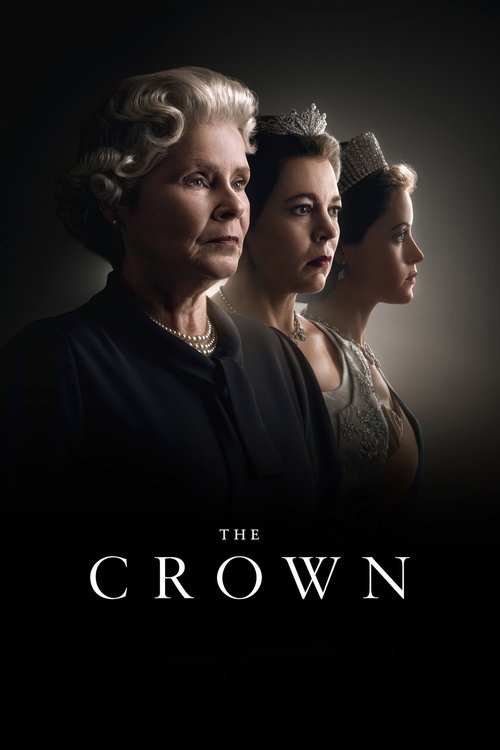
  • The Crown: How Much Is True? A Season-by-Season Fact Check Guide

    The Crown: How Much Is True? A Season-by-Season Fact Check Guide

    the crown true story fact check starts with the honest label Netflix itself eventually added: a fictional dramatisation inspired by real events. The Crown, created by Peter Morgan, covers Queen Elizabeth II’s reign from her 1952 accession to the 2000s across six seasons — but the private conversations are invented, timelines are compressed, and some scenes are pure drama. Here is what each season gets right, and where it bends the truth.

    Seasons 1 and 2: The Young Queen and the Suez Crisis

    Claire Foy plays Elizabeth in the first two seasons, and the broad frame is solid: Elizabeth becomes queen at 25 after her father’s death in 1952, is crowned in 1953, and learns to work with Winston Churchill, who really was her first prime minister. The Great Smog of December 1952, which killed thousands in London, really happened, and the show’s fog episode captures its eerie horror. Where it bends: the show compresses years into episodes, and Philip’s frustrations and rumored infidelities are dramatized from gossip rather than documented fact. The marriage strain feels real because the couple’s early years were genuinely difficult, but the specific arguments are Morgan’s invention.

    Season 3: Aberfan and a New Cast

    Olivia Colman takes over as Elizabeth in season 3, which covers the 1960s and 1970s. Its most powerful episode, about Aberfan, is built on a real tragedy: in October 1966, a coal waste tip collapsed onto a Welsh village school, killing 116 children and 28 adults. The Queen did delay her visit, and later said it was one of her greatest regrets — the show’s portrait of that delay is broadly accurate. The season also covers Harold Wilson’s premiership and Princess Margaret’s restlessness. Again, the public events are real; the private scenes, including Margaret’s marriage troubles played out in dialogue, are dramatized.

    Season 4: Thatcher, Diana and the Balmoral Test

    Season 4 brings in Margaret Thatcher (Gillian Anderson) and Diana Spencer (Emma Corrin). The politics are real: Thatcher really was prime minister from 1979, and her frosty relationship with the Queen is well documented, though their private audiences are imagined. Charles and Diana’s unhappy marriage, and Diana’s eating disorder, are also matters of public record — Diana spoke about them herself. The famous Balmoral test, in which Thatcher is judged on her country-house manners, is largely invented as a set piece: a fun episode, but not a documented ritual. Treat it as a parable about class, not a transcript.

    Season 5: Annus Horribilis and the Panorama Interview

    Imelda Staunton’s seasons cover the 1990s, the decade the Queen herself called her annus horribilis in 1992 — the year of the Windsor Castle fire and three royal separations. That speech is real, and so is the broad arc: the Charles and Diana media war, the leaked Camillagate phone call of 1993, and Diana’s 1995 Panorama interview, in which she said there were three of us in this marriage. The show’s invention lies in the framing: it imagines private strategy sessions and motivations that no one can verify, and it compresses events so that storylines land in the same episode.

    Season 6: Diana’s Final Summer and the Ghosts

    The final season covers Diana’s death in Paris in August 1997, which is handled with restraint and sticks to the known facts: the car crash in the Pont de l’Alma tunnel, the paparazzi pursuit, and the national outpouring of grief. Mohamed Al Fayed’s claims about a conspiracy are presented as his beliefs, not established fact — and no official inquiry has supported them. The season’s most controversial invention is the Queen and Charles talking to Diana’s ghost: pure dramatisation, and a clear sign of where the show stops being history. The later episodes, including William meeting Kate at St Andrews and Charles marrying Camilla in 2005, return to documented ground.

    The Bottom Line

    So how much of The Crown is true? The spine is real — the accessions, crises, speeches and deaths all happened — but the heart of the show, the private conversations, is fiction. Morgan has always said the series imagines what happened behind closed doors, and Netflix now labels it a fictional dramatisation. Watch it as a beautifully made what-if-it-felt-like-this version of history, then check the record: the real story, from Aberfan to the Panorama interview, is dramatic enough on its own. If you like fact-checking your dramas, our Chernobyl guide does the same job for HBO’s miniseries.

    Ready to watch it with fresh eyes? Start with The Crown on Netflix and keep this fact check beside you.

  • The Usual Suspects Ending Explained: Keyser Soze’s Story, Line by Line

    The Usual Suspects Ending Explained: Keyser Soze’s Story, Line by Line

    ⚠ Spoilers ahead

    The usual suspects ending explained: Verbal Kint is Keyser Soze, and his entire story is invented on the spot from the objects in the interrogation room. The greatest trick the Devil ever pulled is the one the audience watches happen.

    The Lineup and the Legend

    Five criminals are rounded up in a New York police lineup: Keaton, played by Gabriel Byrne, McManus, Fenster, Hockney and Verbal Kint, played by Kevin Spacey. Verbal, a small-time con man with a limp and a withered hand, seems the least dangerous of them all. After a series of jobs, the group is drawn into a final heist in Los Angeles, a raid on a ship in San Pedro harbor that ends in a massacre.

    For the full background, see our complete The Usual Suspects title page.

    Verbal survives and tells the story to Customs agent Dave Kujan, played by Chazz Palminteri. His tale is elaborate and gripping: the gang was forced to work for a shadowy crime lord named Keyser Soze, a figure so feared that his very name is a legend. Soze, Verbal says, once murdered his own family rather than let them be taken hostage, and then hunted down the men responsible, their friends and their families.

    The Story Is Invented From the Room

    Kujan believes parts of the story and doubts others, but he lets Verbal go, since the crippled con man seems too small a fish to hold. Then, as Verbal walks out of the police station, the camera lingers on the details of Kujan’s office: a bulletin board covered in names and photographs, and a coffee mug from a company called Kobayashi. Kujan looks at the board and realizes, too late, that Verbal invented his story from what he could see.

    The name Kobayashi came from the bottom of the mug. The details of the heist, the lawyer, the Hungarian gangsters, all were cobbled together from the board and from Kujan’s own questions. Verbal was not recalling a crime; he was composing one in real time, feeding Kujan exactly what the agent expected to hear.

    The Walk That Gives It Away

    The film’s final minutes are pure cinema. As Verbal leaves the station, his limp slowly disappears. His withered hand straightens. He lights a cigarette with steady fingers and climbs into a car driven by the man he called Kobayashi. The camera pulls back as the car drives away, and the audience understands: the harmless little con man was the most feared criminal in the world all along.

    Then the fax arrives. A sketch of Keyser Soze, drawn from a survivor’s description, matches Verbal’s face. Kujan drops the mug, shattering it, and rushes out, but Verbal is already gone. The Devil’s greatest trick, as Verbal himself said earlier, was convincing the world he did not exist, and he has just pulled it again, on the police and on us.

    Why the Twist Still Works

    The twist works because the film never cheats. Every clue is visible: Verbal’s story is too neat, his details too perfectly matched to Kujan’s theories, and his disability too convenient. The audience, like Kujan, wants to believe the small man, and the film uses that sympathy against us.

    The Usual Suspects ending is also a lesson in storytelling itself. Verbal is a narrator who builds his tale from whatever is at hand, and the film invites you to rewatch it, hunting for the moments when he glances at the board or pauses to invent. On a second viewing, the whole film changes: every line becomes a lie told beautifully.

    For another ending built on an unreliable narrator, see our complete Memento title page.

    For the full film guide, cast and trailer, see our complete The Usual Suspects title page.