Category: Articles

  • Interstellar Ending Explained: The Tesseract, the Watch and Murph’s Message Decoded

    Interstellar Ending Explained: The Tesseract, the Watch and Murph’s Message Decoded

    ⚠ Spoilers ahead

    Interstellar ending explained: Cooper does not just survive the black hole, he becomes the ghost in his daughter’s bedroom, and the message he sends through her watch is what saves humanity. This guide decodes the tesseract, the watch and Murph’s message, step by step.

    The Fall Into Gargantua

    Cooper, played by Matthew McConaughey, makes his final sacrifice at the black hole Gargantua. After Dr. Mann’s betrayal and the loss of the Endurance’s crew, Cooper and Brand, played by Anne Hathaway, slingshot around the black hole to reach Edmunds’ planet. Cooper detaches his Ranger and falls into Gargantua, expecting to die, so Brand can carry on with the mission.

    For the full background, see our complete Interstellar title page.

    Instead of dying, Cooper wakes inside the tesseract, a four-dimensional structure built by future humans, the beings the crew called they. The tesseract is a room of infinite bookshelves: every moment of Murph’s bedroom, stretched across time, laid out so Cooper can move through it like walking down a corridor.

    The Tesseract: Who Built It and Why

    The tesseract answers the film’s biggest mystery. The wormhole near Saturn, the gravitational anomalies on Earth, the dust that spelled out coordinates in Murph’s room: all of it was placed by evolved humans from the far future, who learned to manipulate gravity and time. They built the tesseract so Cooper could send the one thing humanity needed: the quantum data from inside the black hole.

    That data is the key to Professor Brand’s gravity equation, which would let humanity lift the great space stations off Earth and carry everyone to a new home, the plan known as Plan A. Without the data, Brand’s equation was unsolvable, and Plan A was a lie he told to keep the mission going. Cooper, inside the tesseract, can finally deliver the missing piece.

    The Watch and Murph’s Message

    Cooper cannot speak to Murph across time, but he can push books off shelves and move dust, and he can move the second hand of the watch he gave her before leaving. Using Morse code, tapped out through gravity, he transmits the quantum data through the watch’s second hand. Young Murph once thought the falling books were a ghost. Adult Murph, played by Jessica Chastain, finally understands: the ghost was her father all along.

    Murph decodes the message, solves the gravity equation, and humanity launches the stations. The watch, which Cooper told her would tell her when he came back, becomes the instrument of his return in a different sense: it carries his message home. When Cooper wakes, he is on Cooper Station, a vast habitat orbiting Saturn, named after Murph, not him.

    The Reunion and Brand’s New World

    Cooper reunites with Murph, now an old woman on her deathbed, surrounded by her family. She tells him to go, because a parent should not watch his child die, and because Brand is waiting. Brand, alone on Edmunds’ planet, has begun Plan B, settling the frozen world with the frozen embryos the mission carried. Cooper steals a Ranger and sets out to find her, and the film ends with him flying toward a new beginning, the same shot that opened his journey, now reversed: a father leaving home so humanity can live.

    The ending is a loop, and that is the point. Future humans saved past humans because past humans survived to become them, and love, as Brand argued, is the force that let Cooper reach across time to his daughter.

    For another mind-bending finale from the same director, see our complete Inception title page.

    For the full film guide, cast and trailer, see our complete Interstellar title page.
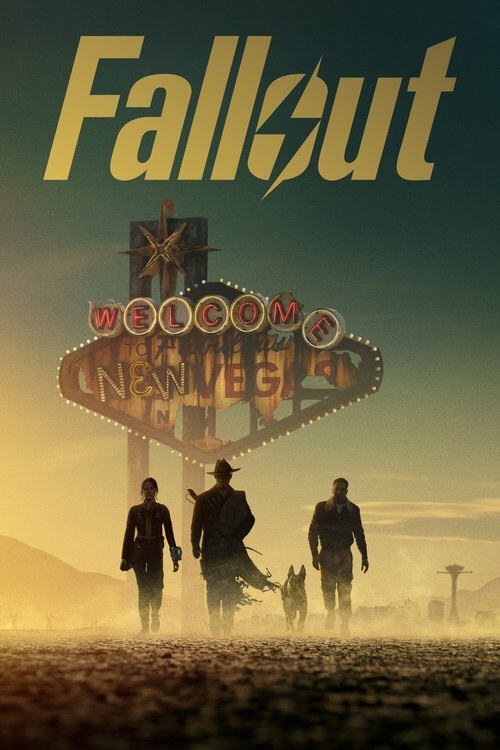
  • Fallout Cast Guide: Ella Purnell, Walton Goggins and the Wasteland’s Factions

    Fallout Cast Guide: Ella Purnell, Walton Goggins and the Wasteland’s Factions

    fallout cast is the reason Prime Video’s post-apocalyptic epic works as well as it does: a vault dweller, a Brotherhood squire and a two-hundred-year-old gunslinger walk into the wasteland, and you believe every one of them. Created by Graham Wagner and Geneva Robertson-Dworet, Fallout ran for two seasons and 16 episodes, set 200 years after nuclear war. Here is who plays whom — and which faction each of them fights for.

    Ella Purnell as Lucy MacLean

    Ella Purnell plays Lucy MacLean, the Vault 33 dweller who leaves the safety of the vault to search for her father and discovers that the surface world runs on rules she was never taught. Purnell appeared in all 16 episodes, and Lucy is the show’s moral compass: optimistic, capable and increasingly willing to get her hands dirty. Her journey from vault innocence to wasteland survivor is the story’s spine, and Purnell makes every step of it believable.

    Walton Goggins as The Ghoul and Cooper Howard

    Walton Goggins plays The Ghoul, the bounty hunter with two centuries of history behind him — and, in flashbacks, Cooper Howard, the pre-war actor whose life explains how the world ended. Goggins appeared in all 16 episodes, and the dual role is the show’s masterstroke: the same man, before and after the bombs, charming and terrifying by turns. The Ghoul’s gravel-voiced pragmatism is the perfect counterweight to Lucy’s vault-born idealism.

    Aaron Moten as Maximus and the Brotherhood of Steel

    Aaron Moten plays Maximus, the Brotherhood of Steel squire who wants to be a knight and keeps discovering that the Brotherhood’s ideals do not match its reality. Moten appeared in all 16 episodes, and Maximus gives the show its third perspective: not the vault’s sheltered optimism or the Ghoul’s weary cynicism, but a young man trying to believe in something bigger than himself. His story is where the show’s questions about power and loyalty land hardest.

    The Vault, the Family and the Factions

    Moisés Arias plays Norm MacLean, Lucy’s brother, who stays behind in Vault 33 and uncovers the vault’s secrets from the inside — he appeared in all 16 episodes. Kyle MacLachlan plays Overseer Hank MacLean, the father whose disappearance sets the story in motion, in ten episodes. Frances Turner plays Barb Howard, Cooper’s wife and a Vault-Tec executive, in twelve episodes, tying the pre-war conspiracy to the present. Leslie Uggams plays Betty Pearson, a vault leader, in nine episodes, and Johnny Pemberton plays Thaddeus, a Brotherhood squire, in nine.

    Where the Story Goes Next

    By the end of the second season, the three leads are on very different paths: Lucy chasing the truth about her father and Vault-Tec, the Ghoul chasing his own unfinished business from before the war, and Maximus caught between the Brotherhood’s demands and his own conscience. That spread is the show’s engine — three characters, three factions, one wasteland — and it is why the cast matters so much. Every new revelation lands harder because you already care about the people it hits.

    Why This Cast Works

    The first season ran for eight episodes premiering on April 10, 2024, and the second for eight more, and the show’s trick is that its three leads never share the same view of the wasteland. Lucy sees what it could be, the Ghoul sees what it is, and Maximus sees what it promised to be — and the collision of those views is what makes Fallout more than a faithful game adaptation. It is a story about America, told by people who survived it.

    Ready to leave the vault? Start with Fallout from season one and meet Lucy, the Ghoul and Maximus where the wasteland begins.

  • Inception Ending Explained: Does the Top Fall? Every Theory, Settled With Evidence

    Inception Ending Explained: Does the Top Fall? Every Theory, Settled With Evidence

    ⚠ Spoilers ahead

    Inception ending explained: the film ends on a spinning top that wobbles, and then cuts to black before we ever see it fall. That cut is deliberate, and the evidence inside the film points to a clear answer, even though director Christopher Nolan refuses to give one.

    The Final Scene, Beat by Beat

    Dom Cobb, played by Leonardo DiCaprio, has completed the impossible job: inception, planting an idea in Robert Fischer’s mind so Fischer will break up his father’s empire. In return, Saito clears Cobb’s name, and Cobb flies home to America. At the airport he passes through immigration without trouble, and at his house he spins his totem, a small metal top, on the table.

    For the full background, see our complete Inception title page.

    Then Cobb walks away from the top to greet his children, who are playing in the garden. For the first time in the film, we see their faces. The camera returns to the top: it spins, it wobbles slightly, and the film cuts to black. We never learn whether it falls.

    What the Top Is Supposed to Prove

    A totem tells its owner whether he is dreaming. In a dream, the top spins forever; in reality, it topples. But there is a catch the film states plainly: a totem only works for its owner, because only the owner knows its exact weight and balance. The top was Mal’s totem, not Cobb’s. Cobb took it after Mal’s death, which means his test was already compromised.

    There is stronger evidence in Cobb’s wedding ring. Throughout the film, Cobb wears his ring in dream scenes and not in real-world scenes. In the final scene, his hand is bare when he greets his children. That detail, confirmed by careful viewers and by the film’s own costume logic, points to reality: Cobb is home.

    Mal, Limbo and the Idea That Killed Her

    The ending only makes sense through Mal, played by Marion Cotillard. Years earlier, Cobb and Mal were trapped in limbo, the deepest dream level, where they grew old together. To escape, Cobb performed inception on his own wife, planting the idea that her world was not real. The idea took root and grew. When they woke, Mal still believed reality was a dream, and she killed herself, convinced she would wake up again.

    That tragedy is why Cobb cannot trust the top, and why the film’s real question is not whether the top falls. Cobb has spent the whole film haunted by Mal’s shade, the projection of his guilt that sabotages every job. In the final scene he walks away from the top without checking it. He no longer needs proof, because he has chosen his children over his guilt.

    Every Theory, Settled With Evidence

    The dream theory says Cobb is still dreaming, because the top wobbles but never falls on screen, and because the whole film could be his dream. The reality theory says Cobb is awake, because he sees his children’s faces for the first time, because his ring is off, and because the top’s wobble suggests it is about to fall. The middle theory says it does not matter: the film is about Cobb’s choice to accept his life, not about the physics of a spinning toy.

    The evidence favors reality, but the film’s point is the choice itself. Nolan cut to black precisely so the audience would argue about it, and so Cobb’s decision, to walk away from the totem and toward his children, would be the last thing we remember.

    For another puzzle-box finale from the same director, see our complete Interstellar title page.

    For the full film guide, cast and trailer, see our complete Inception title page.

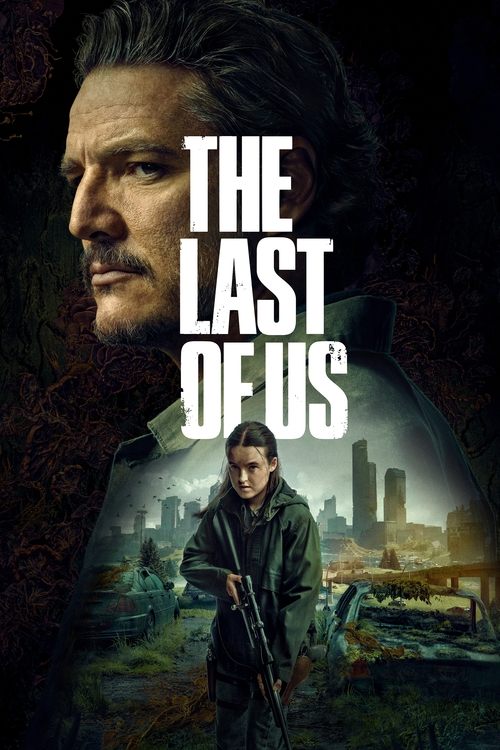
  • The Last of Us Cast: Pedro Pascal, Bella Ramsey and Season 2’s New Faces

    The Last of Us Cast: Pedro Pascal, Bella Ramsey and Season 2’s New Faces

    the last of us cast is one of the strongest ensembles on television, and it had to be: HBO’s adaptation of the beloved game lives or dies on whether you believe in Joel and Ellie. Created by Neil Druckmann and Craig Mazin, The Last of Us ran for two seasons and 16 episodes, following a smuggler and a teenage girl across a country broken by a fungal infection. Here is who plays whom — including the new faces who changed everything in season two.

    Pedro Pascal as Joel Miller

    Pedro Pascal plays Joel Miller, the hardened survivor who takes a job smuggling Ellie across the country and finds, against all his instincts, a reason to care again. Pascal appeared in 12 episodes, and his Joel is all restraint: a man carrying twenty years of grief who speaks softly because he has learned what shouting costs. It is a performance built on small choices — a glance, a pause, a hand that almost reaches out — and it anchors the entire series.

    Bella Ramsey as Ellie Williams

    Bella Ramsey plays Ellie Williams, the fourteen-year-old who may be humanity’s only hope because she is immune to the infection. Ramsey appeared in all 16 episodes, and Ellie is the show’s beating heart: funny, furious, fiercely loyal and, as the story darkens, increasingly capable of violence herself. Ramsey’s performance grows with the character, from the wisecracking kid of season one to the hardened young woman of season two, and the show never looks away from what that transformation costs.

    Season Two’s New Faces: Dina, Jesse and Abby

    Isabela Merced plays Dina, Ellie’s partner and the show’s warmest presence, appearing in seven episodes of the second season. Young Mazino plays Jesse, Dina’s ex and a steady, decent presence in Jackson, also in seven episodes. And Kaitlyn Dever plays Abby, the season’s most consequential addition: a young woman whose own story of loss collides with Joel and Ellie’s, and whose arrival reframes everything the audience thought it knew. Dever’s casting was one of the most anticipated announcements in the show’s history, and her performance delivers on it.

    The World Around Them: Tommy, Maria and Jackson

    Gabriel Luna plays Tommy Miller, Joel’s younger brother, in nine episodes — the man who chose community over survival-at-all-costs and built a life in Jackson. Rutina Wesley plays Maria, Tommy’s wife and one of Jackson’s leaders, in five episodes, giving the settlement its backbone. Together, Luna and Wesley make Jackson feel like a real place worth protecting, which is exactly what the story needs before it tears that safety apart.

    The Game Connection: Voices Behind the Show

    One of the pleasures of The Last of Us for longtime fans is how it honors the games without being trapped by them. The show keeps the story’s spine — the journey, the choices, the cost — while letting its actors find their own versions of Joel and Ellie. That balance is why the series works for newcomers and veterans alike: you do not need to have played the games to feel the weight of every decision, but if you have, you will catch the echoes everywhere.

    Why This Cast Works

    The first season ran for nine episodes premiering on January 15, 2023, and the second for seven, and across both the show’s gamble is the same: that you will follow two people through unbearable choices because you believe in them. Pascal and Ramsey make that gamble pay off, and the season two additions — Merced’s warmth, Mazino’s steadiness, Dever’s devastating conviction — deepen rather than dilute it. Whether you came for the infected or stayed for the people, the cast is why the show hurts so much.

    Ready to cross the country with them? Start with The Last of Us from season one — and keep an eye on who is standing beside Joel and Ellie in season two.

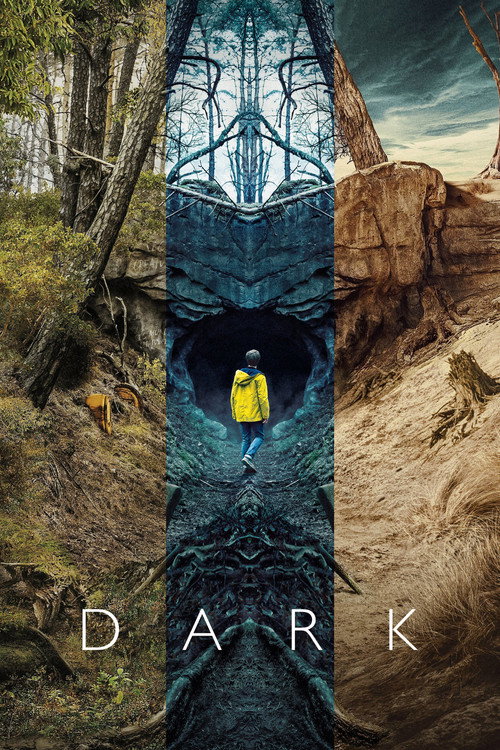
  • Dark Ending Explained: The Knot, the Origin World and That Final Dinner Scene

    Dark Ending Explained: The Knot, the Origin World and That Final Dinner Scene

    ⚠ Spoilers ahead

    Dark netflix ending explained: the knot is not one timeline gone wrong, but two entire worlds created by a single act of grief, and the finale unties them by returning to the moment it all began. This guide explains the knot, the origin world and that final dinner scene, step by step.

    The Knot: Two Worlds, One Mistake

    For three seasons, Dark follows two mirrored worlds. In Adam’s world, Jonas Kahnwald grows up in Winden, where a nuclear plant, a cave system and a cycle of disappearances hide time travel. In Eva’s world, Martha Nielsen leads a parallel Winden where the same families live different lives. Both worlds are trapped in loops: children are born, grow up, and become the very adults who set their own births in motion.

    For the full background, see our complete Dark title page.

    The knot is this closed system. Every major family in both worlds descends from a single child, the son of Jonas and Martha, known only as the Unknown. He fathers the lines that become the Nielsen, Doppler and Tiedemann families, so the two worlds keep producing the people who keep them running. Adam wants to destroy both worlds with a final apocalypse. Eva wants to preserve the knot forever, keeping her world and Adam’s world in balance.

    The Origin World and Tannhaus

    Neither Adam’s world nor Eva’s world is the real one. The true world is the origin world, where a clockmaker named H.G. Tannhaus lost his son Marek, Marek’s wife Sonja and their baby daughter in a car crash on a stormy night in 1986. Desperate to undo that death, Tannhaus built a machine to destroy his own world and create a new one where his son lived.

    The machine did the opposite of what he intended. Instead of rewriting his world, it split reality, creating two knotted worlds where time loops endlessly and nothing truly changes. That is why Adam and Eva can fight for eternity and never win: both of their worlds are side effects of one man’s grief, and neither can be fixed from inside.

    Claudia’s Discovery and the Loophole

    The breakthrough belongs to Claudia Tiedemann, the one character who learns to see beyond her own world. Across countless loops, Claudia pieces together what Adam and Eva never grasp: the knot has an origin outside both worlds, and it can only be untied there.

    The loophole is a fraction of a second at the moment of the apocalypse, when time itself stands still. In that frozen instant, cause and effect break down, and a person can slip between worlds. Claudia uses that knowledge to send Jonas and Martha on one final journey: not to fight Adam or Eva, but to travel to the origin world on the night of the crash.

    The Final Dinner Scene

    In the finale, Jonas and Martha appear on the road in the origin world as Marek drives through the storm. Their car blocks his path, and Marek stops. He turns back, and the crash never happens. Because the crash never happens, Tannhaus never builds his machine, and the two knotted worlds are never created.

    As the knot unravels, Jonas and Martha dissolve into golden particles, holding hands, because people who were never born cannot remain. The last scene returns to the origin world, where Hannah, pregnant and surrounded by friends at a dinner table, looks at a yellow raincoat and says she thinks Jonas is a beautiful name for her child. It is the show’s quiet answer to three seasons of darkness: the cycle ends not with a battle, but with a life saved and a name remembered.

    For another story about a finale, its setup and its ending clues, see our complete Stranger Things title page.

    For the full series guide, cast and trailer, see our complete Dark title page.

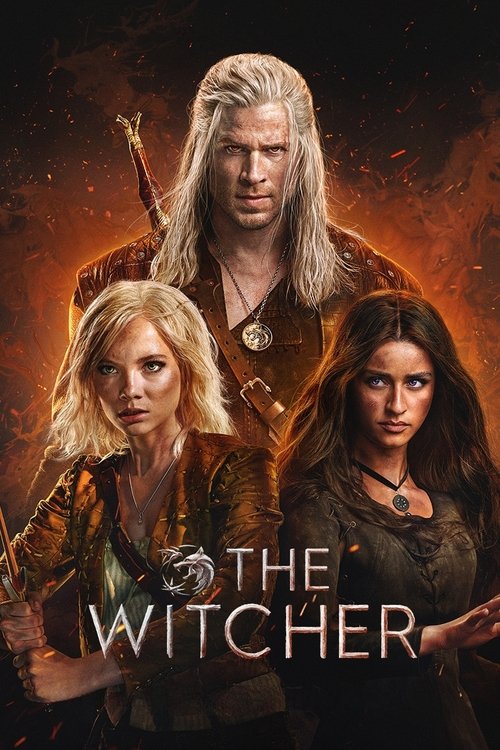
  • The Witcher Cast Guide: Geralt’s New Face and the Continent’s Key Players

    The Witcher Cast Guide: Geralt’s New Face and the Continent’s Key Players

    the witcher cast has carried Netflix’s fantasy epic through four seasons, 32 episodes and one of the most talked-about recastings in television history. Created by Lauren Schmidt Hissrich from Andrzej Sapkowski’s books, The Witcher follows Geralt of Rivia, a monster hunter for hire, as his destiny tangles with the sorceress Yennefer and the princess Ciri. Here is who plays whom — and why the man holding the sword changed.

    Geralt of Rivia: Henry Cavill, Then Liam Hemsworth

    Henry Cavill played Geralt of Rivia across the first three seasons, appearing in 24 episodes and defining the character for a generation of viewers: the gravelly voice, the dry humor, the reluctance to get involved that never quite holds. Cavill’s departure after season three was one of the biggest casting stories in streaming, and season four introduced Liam Hemsworth as the new Geralt. The show treats the change as a continuation rather than a reboot — same White Wolf, same destiny, new face — and the fourth season asks viewers to judge Hemsworth’s Geralt on his own terms.

    Anya Chalotra as Yennefer of Vengerberg

    Anya Chalotra plays Yennefer of Vengerberg, the sorceress whose journey from a hunchbacked outcast to one of the Continent’s most powerful mages is the show’s most ambitious arc. Chalotra has appeared in all 32 episodes, and Yennefer’s story — her training at Aretuza, her complicated love for Geralt, her fierce protectiveness toward Ciri — gives the series its emotional center. Where Geralt is restraint, Yennefer is appetite and ambition, and Chalotra plays both sides without apology.

    Freya Allan as Ciri, Princess of Cintra

    Freya Allan plays Princess Cirilla, known as Ciri, the Lion Cub of Cintra and the character around whom the whole saga turns. Allan has also appeared in all 32 episodes, growing up on screen as Ciri goes from a sheltered princess to a fugitive learning to fight, to a young woman whose Elder Blood makes her the most hunted person on the Continent. Her bond with Geralt — her reluctant adoptive father — and with Yennefer — her mentor and mother figure — is the heart of the show.

    The Supporting Players: Jaskier, Cahir and the Mages

    Joey Batey plays Jaskier, the bard whose songs turn Geralt’s deeds into legend (and who gave the world an earworm about tossing coins). Eamon Farren plays Cahir, the Nilfgaardian knight whose pursuit of Ciri evolves into something far more complicated. Mimî M. Khayisa plays Fringilla Vigo, the Nilfgaardian sorceress, and Anna Shaffer plays Triss Merigold, the healer and Geralt’s old friend. Mahesh Jadu plays Vilgefortz, the mage whose smiling charm hides the show’s darkest ambitions, and MyAnna Buring plays Tissaia de Vries, the formidable rectoress of Aretuza who shaped Yennefer’s life.

    The Recasting Question, Answered

    Fans naturally ask whether the show still feels like The Witcher after its lead changes, and the honest answer is that the world around Geralt does most of the work: the same Yennefer, the same Ciri, the same bards, knights and mages, all carrying the story forward. Hemsworth’s job is not to imitate Cavill but to embody the same weary, principled monster hunter, and the fourth season gives him room to do it — quieter scenes, harder fights and the same dry wit. If you loved the first three seasons, the fourth rewards sticking with it.

    Why This Cast Works

    The first season premiered on December 20, 2019, and the show’s gamble was always its structure: three timelines, three heroes, one destiny. It works because the central trio — Cavill and then Hemsworth, Chalotra and Allan — sell a found family that the audience genuinely roots for, and because the supporting cast gives the Continent texture, from the courts of Cintra to the halls of Aretuza. Whether you are here for the monster hunting, the politics or the romance, the cast is what keeps the sprawling story human.

    Ready to return to the Continent? Start with The Witcher from season one and watch Geralt’s story — in both of its faces — unfold.

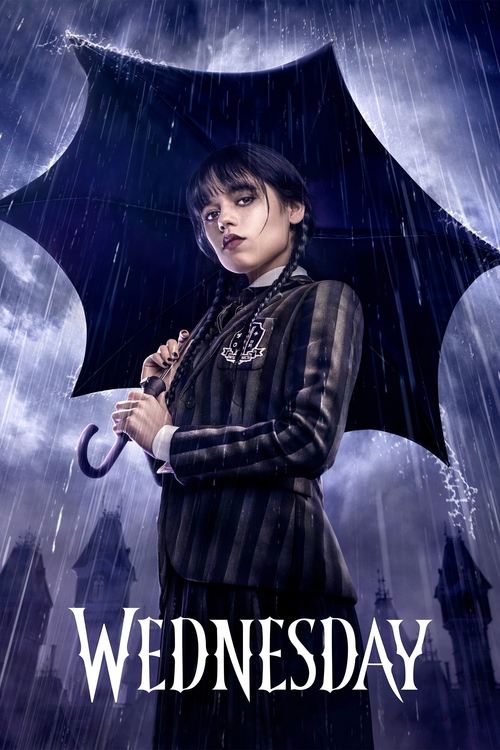
  • Wednesday Cast Guide: The Addams Family and Nevermore’s Students, Explained

    Wednesday Cast Guide: The Addams Family and Nevermore’s Students, Explained

    wednesday cast is the key to understanding Netflix’s gothic hit, because the show works through its characters: a deadpan heroine, a colorful roommate, a famous family and a school full of outcasts. Created by Miles Millar and Alfred Gough, with Tim Burton directing several episodes, Wednesday ran for two seasons and 16 episodes, beginning when Wednesday Addams is expelled after a piranha revenge plot and sent to Nevermore Academy. Here is who plays whom.

    Jenna Ortega as Wednesday Addams

    Jenna Ortega plays Wednesday Addams, the sharp-tongued, cello-playing teenager who solves mysteries while refusing to smile about it. Ortega’s deadpan delivery made the character a cultural phenomenon, and her performance carries the show: Wednesday is brilliant, antisocial and secretly loyal, and Ortega balances all three without ever softening the character’s edge. She is the rare lead who can hold a scene with nothing but a stare.

    The Addams Family: Morticia, Gomez and Pugsley

    Catherine Zeta-Jones plays Morticia Addams, Wednesday’s elegant, devoted mother, whose own Nevermore past shapes the show’s mythology. Luis Guzmán plays Gomez Addams, the passionate, devoted father whose warmth contrasts with his daughter’s cold exterior. Isaac Ordonez plays Pugsley Addams, Wednesday’s younger brother, who arrives at Nevermore in the second season and gets his own arc among the outcasts. Together they give the show its gothic heart — a family that is strange, loving and completely unbothered by being strange.

    Nevermore’s Students: Enid, Tyler, Xavier and Bianca

    Emma Myers plays Enid Sinclair, Wednesday’s werewolf roommate, whose color, warmth and optimism are the perfect foil to Wednesday’s monochrome gloom; their friendship is the show’s emotional spine. Hunter Doohan plays Tyler Galpin, the seemingly normal barista whose secrets drive the first season’s mystery. Percy Hynes White plays Xavier Thorpe, the brooding artist with a complicated connection to Wednesday. Joy Sunday plays Bianca Barclay, the siren queen bee whose rivalry with Wednesday hides a more interesting character underneath.

    The Adults of Nevermore

    Gwendoline Christie plays Principal Larissa Weems, Nevermore’s elegant headmistress, whose history with Morticia adds depth to the school’s politics. Christina Ricci plays Marilyn Thornhill, a character whose casting is a deliberate nod to the Addams legacy — Ricci played Wednesday herself in the 1990s films. And Thing, the disembodied hand who serves as Wednesday’s companion and spy, is brought to life by Victor Dorobantu’s hand work, becoming a breakout character in his own right.

    The Season Two Additions

    The second season widens the world in two directions: deeper into the Addams family, with Pugsley joining Nevermore and the family’s history taking center stage, and wider across the school, as new students and new threats test Wednesday’s already thin patience. The season keeps the formula that worked — a mystery, a monster and a reluctant friendship — while giving the supporting cast more room to grow. For returning viewers, the new faces are the reason to keep watching; for new viewers, they are proof that Nevermore is a place worth revisiting.

    Why This Cast Clicks

    The show’s casting works because it pairs a perfectly cast lead with a supporting ensemble that each represents a different kind of outcast — werewolves, sirens, psychics and gorgons all sharing dorms. Season one premiered in November 2022 with eight episodes, and the cast’s chemistry is what turned a familiar premise into a global hit. Whether you came for the Addams family or stayed for Nevermore, the characters are the reason to return, and the reason the show’s second season felt like a reunion rather than a sequel.

    Ready to enroll at Nevermore? Start with Wednesday from season one, keep an eye on Thing, and meet the Addams family all over again.

  • Squid Game Season 3 Ending Explained: Gi-hun’s Final Choice and That Last Scene

    Squid Game Season 3 Ending Explained: Gi-hun’s Final Choice and That Last Scene

    ⚠ Spoilers ahead

    Squid game season 3 ending explained: this guide covers Gi-hun’s arc, the themes of the final season and what the last scene means, without inventing finale specifics the title page does not give, because the title page lists the finale episode title, but no finale plot details.

    Gi-hun’s Arc: From Winner to Rebel

    Gi-hun, played by Lee Jung-jae, won the games in Season 1 as Player 456, and he returned to destroy them, because a man who survived the games could not live with the knowledge that they kept running.

    For the full background, see our complete Squid Game title page.

    That return is the spine of Season 3, because Gi-hun is no longer playing to survive, but playing to end the games, and because every choice he makes is measured against the man he was when he first won.

    The Final Season Setup

    Season 3 has 6 episodes, premiered June 27, 2025, and concludes with an episode titled Humans Are…, dated June 27, 2025, on the title page, though readers should confirm that listing, since title-page listings can run ahead of verified reporting.

    Across 3 seasons and 22 episodes, Squid Game has asked one question again and again: what does desperation do to people, and what does it cost to stay human inside a system built to strip humanity away?

    The final season brings that question to its end, because Gi-hun faces the Front Man, played by Lee Byung-hun, the man who runs the games, and because their confrontation is about more than survival, it is about what the games mean.

    Gi-hun’s Final Choice: What It Means

    Gi-hun’s final choice must be read through his arc, because he began as a man who needed money, became a man who won money, and ended as a man who wanted the games to stop, and because that journey is the series’ moral center.

    This article does not claim specific deaths or final-scene events, because the title page gives only the finale title, but the themes are clear: Gi-hun’s choice is about refusing to become what the games want him to be.

    The Front Man is his mirror, because the Front Man is a former winner who chose to run the games, and because Gi-hun’s story only makes sense against that darker path.

    That Last Scene: Humans Are…

    The finale title, Humans Are…, is itself a clue, because it is unfinished, and because it asks viewers to complete the sentence: humans are what, exactly, after everything the games have shown?

    The title suggests that the final scene is about that question, because Squid Game has always argued that people are more than their debts, their desperation or their worst choices, and because its ending must answer whether that belief survives.

    That reading is a suggestion, not a confirmed plot outcome, because the title page gives the episode title and no finale plot details, so this article does not claim what the last scene shows.

    What the Ending Leaves Behind

    Whatever the final scene shows, the ending leaves behind a question for viewers, because the games are a mirror of a world where debt, inequality and desperation push people to extremes, and because that world does not end when the credits roll.

    It leaves behind Gi-hun’s example, because a man who had every reason to walk away chose to fight the games instead, and because that choice is the series’ final statement about humanity.

    For another story about a finale, its setup and its ending clues, see our complete Stranger Things title page.

    For the full series guide, cast and trailer, see our complete Squid Game title page.

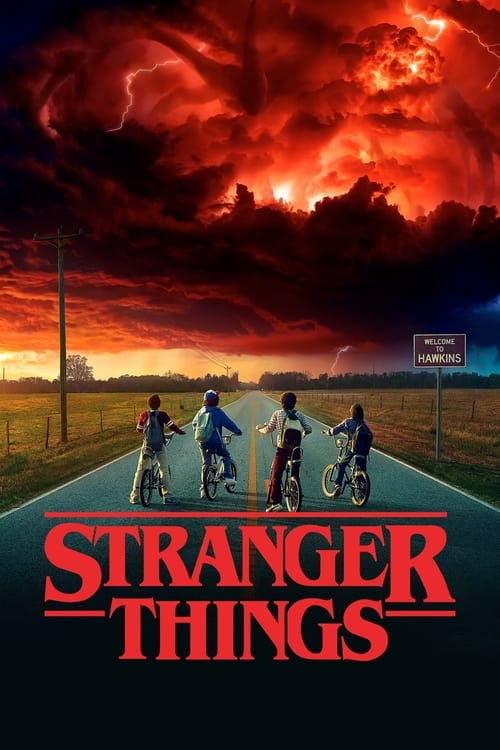
  • Stranger Things Cast and Characters Guide: Who’s Who in Hawkins

    Stranger Things Cast and Characters Guide: Who’s Who in Hawkins

    stranger things cast characters is the first thing new viewers search after one episode, because Hawkins is a town full of faces you need to keep straight. Created by Matt and Ross Duffer, the Netflix series ran for five seasons and 42 episodes from 2016 to 2025, beginning when Will Byers vanished in 1983 and a girl with a shaved head escaped from a secret lab. This guide introduces the core cast, who they play, and where their characters fit in the story.

    The Kids at the Center: Eleven and the Party

    Millie Bobby Brown plays Eleven, the girl with psychokinetic powers who escapes Hawkins National Laboratory and becomes the group’s protector and, eventually, its heart. Finn Wolfhard plays Mike Wheeler, the loyal leader of the party who first shelters Eleven in his basement. Gaten Matarazzo plays Dustin Henderson, the group’s comic relief and science brain, while Caleb McLaughlin plays Lucas Sinclair, the skeptic who keeps the group honest. Noah Schnapp plays Will Byers, whose disappearance starts the whole story and whose connection to the Upside Down never fully leaves him. Together they are the emotional core of Stranger Things.

    The Adults: Hopper and Joyce

    David Harbour plays Jim Hopper, Hawkins’ chief of police, a grieving father figure whose bond with Eleven becomes one of the show’s great relationships. Winona Ryder plays Joyce Byers, Will and Jonathan’s fiercely determined mother, whose refusal to accept that her son is simply gone drives the first season’s mystery. Their partnership — the cop and the mother who will not stop digging — anchors the adult side of the story, and their arcs carry the show’s heaviest emotional weight across all five seasons.

    The Teenagers: Nancy, Jonathan, Steve and Robin

    Natalia Dyer plays Nancy Wheeler, Mike’s older sister, who grows from a studious teenager into a determined investigator. Charlie Heaton plays Jonathan Byers, Will’s quiet older brother, whose photography and outsider status make him an unlikely hero. Joe Keery plays Steve Harrington, who begins as the school’s popular jock and becomes one of the show’s most beloved characters — the reluctant babysitter of the younger kids. Maya Hawke joined as Robin Buckley, Steve’s sharp-tongued coworker at Scoops Ahoy, whose friendship with Steve gave the show one of its warmest dynamics.

    The Later Additions: Max and Vecna

    Sadie Sink plays Max Mayfield, the skateboarding newcomer who joins the party and becomes Lucas’s girlfriend — and, in season four, the target of the show’s most terrifying villain. Jamie Campbell Bower plays Vecna, also known as Henry Creel, the ancient evil behind the Upside Down whose reveal recontextualized the entire series. Their season-four storyline, built around Max’s fight for survival, produced some of the most acclaimed episodes the show ever made.

    The Supporting Faces of Hawkins

    Beyond the leads, Hawkins is filled with memorable supporting players who give the town its texture: the teachers, deputies, shopkeepers and parents who make the supernatural feel grounded. That depth is part of why the show lasted five seasons — Hawkins feels like a real place, not a backdrop, and every return visit brings familiar faces worth recognizing. Watching the early seasons again, you will spot characters who later become crucial, which is half the fun of a rewatch.

    Why the Cast Works

    What makes the Stranger Things cast special is that the audience literally watched these actors grow up. The kids were children when season one premiered in July 2016 and adults by the finale, and that real passage of time mirrors the characters’ own journey. New viewers get a rare gift: a complete story, five seasons long, with a cast that feels like family by the end.

    Ready to return to Hawkins? Start with Stranger Things from season one and meet the party all over again.

  • Stranger Things’ Story So Far: The Finale Setup and Every Ending Clue Explained

    Stranger Things’ Story So Far: The Finale Setup and Every Ending Clue Explained

    ⚠ Spoilers ahead

    Stranger things ending explained: this guide covers the story so far, the finale setup and every ending clue, without inventing finale details the title page does not give, because the title page lists the final season and its finale episode title, but no finale plot specifics.

    The Story So Far

    Stranger Things began in Hawkins, a small Indiana town where a boy’s disappearance opened a door to the Upside Down, a dark mirror world that has haunted the town ever since, and it follows Eleven, a girl with extraordinary powers, and her friends as they fight to protect Hawkins.

    For the full background, see our complete Stranger Things title page.

    Across 5 seasons and 42 episodes, the series has grown from a missing-child mystery into a battle for Hawkins itself, because each season has widened the threat, deepened the friendships, and raised the stakes for Eleven and the town she calls home.

    The Finale Setup

    The finale setup is that Hawkins faces its greatest threat yet, because the Upside Down has never been fully closed, and because the forces behind it have been building toward a final confrontation with Eleven and her friends.

    The title page lists Season 5 as 8 episodes, and it lists the finale as Chapter Eight: The Rightside Up, dated December 31, 2025, though readers should confirm that listing, since title-page listings can run ahead of verified reporting.

    That setup matters, because the series has always been about a group of friends who refuse to leave each other behind, and because the finale must answer the question the show has asked since Season 1: can Hawkins ever be truly safe?

    Every Ending Clue: The Title

    The biggest ending clue is the finale title itself, because The Rightside Up is the mirror of the Upside Down, and it suggests a world set right, a Hawkins restored, and a darkness finally turned back.

    That reading is a suggestion, not a confirmed plot outcome, because the title page gives the episode title and no finale plot details, so this article does not claim specific deaths, survivals or final scenes.

    The title also fits the show’s theme, because Stranger Things has always paired horror with hope, and because its endings have always returned to friendship, family and home, even after the darkest chapters.

    What the Finale Must Answer

    The finale must answer what happens to the Upside Down, because the series cannot end while that door stays open, and because Eleven’s story has always been tied to the world that made her.

    It must answer what happens to Hawkins, because the town has suffered for years, and because its people, from the kids to the adults who believed them, deserve an ending that honors what they endured.

    It must answer what happens to Eleven, because her journey from a frightened girl in a lab to a young woman choosing her own life is the emotional spine of the series, and because her final choice will define the ending.

    Themes to Watch For

    Watch for the theme of growing up, because the Hawkins kids are no longer children, and because the finale must show who they have become, not just who they were.

    Watch for the theme of sacrifice, because the series has always asked what its heroes will give up for each other, and because a final battle raises that question to its highest pitch.

    Watch for the theme of home, because Hawkins, for all its darkness, is home, and because the title The Rightside Up suggests a home finally set right.

    For another story about a final choice and a last scene, see our complete Squid Game title page.

    For the full series guide, cast and trailer, see our complete Stranger Things title page.