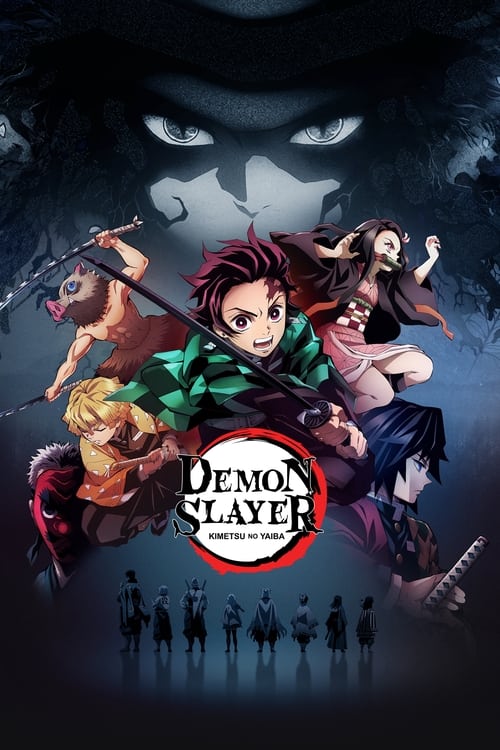
demon slayer parents guide answers the question every parent asks when their child discovers Tanjiro: this looks like a cartoon, so how violent can it be? The answer is: very. Demon Slayer is one of the most beautiful anime ever made — and one of the bloodiest. Here is how violent it really is, and which ages it suits.
The Rating: TV-MA in the US
Demon Slayer is rated TV-MA on US streaming, and the rating is earned in the first episode. The premise is dark from the start: Tanjiro Kamado returns home to find his family slaughtered by demons, and his sister Nezuko has been turned into one herself. He joins the Demon Slayer Corps to find a cure for her and avenge his family. The show follows Tanjiro, Zenitsu and Inosuke through increasingly brutal battles, and the violence never softens — later arcs, including the Mugen Train story and the Infinity Castle films, are more intense, not less.
How Violent Is It, Really?
Very violent, and in a specific way parents should understand. Demon-slaying in this world means beheading: demons can only be killed by decapitation with a special sword, so nearly every major fight ends with a severed head, shown in graphic detail, with blood. Demons also eat humans, and the show depicts their attacks — including on children and families — as well as the slayers’ injuries. The animation is gorgeous, which makes the violence more striking rather than less: blood sprays in stylized arcs, and battles are long and brutal. This is not cartoon slapstick violence; it is presented as lethal combat with real consequences.
Language, Scary Content and Emotional Weight
Language is moderate — some strong language, less than most live-action TV-MA shows — and there is very little sexual content, which is one reason parents sometimes assume the show is milder than it is. The harder content is emotional: grief, loss and death are constant, major characters die, and several arcs hinge on tragic backstories, including demons who were once victims themselves. The demons’ designs can also be frightening for younger children, with grotesque transformations and body horror. For sensitive kids, the sadness hits as hard as the sword fights.
What About Younger Teens?
Children under 12 should not watch Demon Slayer: the opening family massacre and the beheadings rule it out. For ages 12 to 14, it depends on the child — most parents’ guides suggest mid-teens, around 14 and up, and only for kids comfortable with graphic animated violence. For 15- to 17-year-olds, it is widely considered appropriate: the show’s themes of loyalty, kindness and perseverance are genuinely positive, and older teens can handle the violence in context. The key test is the first episode: if the opening scenes are too much, the rest of the series will be too.
Why Kids Love It Anyway
None of this means Demon Slayer is a bad show for teens — quite the opposite. Kids love it because Tanjiro is kind in a world that is cruel, because the animation is genuinely spectacular, and because the friendships between Tanjiro, Zenitsu, Inosuke and Nezuko feel real. Parents who watch with an older teen will see why it became a global phenomenon: it is a story about compassion winning out over cruelty, told with extraordinary craft. The question is never whether it is good — it is whether your child is ready for its violence.
The Bottom Line for Parents
So what does this Demon Slayer parents guide conclude? TV-MA, frequent bloody sword combat and beheadings, frightening demon designs and heavy emotional themes, with little sexual content or language. It is one of the best anime of its generation — but it is not a kids’ show, whatever the animation style suggests. For another TV-MA anime parents ask about, our Jujutsu Kaisen guide covers a series with a similar intensity level.
Still unsure? Watch the first episode of Demon Slayer with your child — the violence level is clear from the start.
Leave a Reply