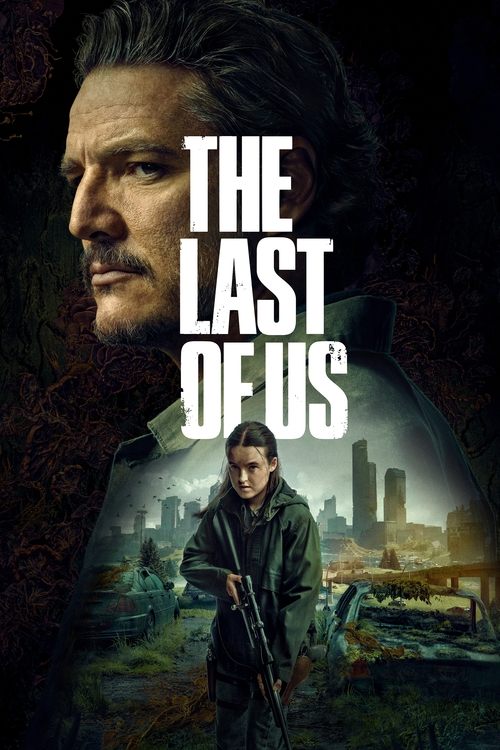
Shows like The Last of Us work because the apocalypse is only the setting — the story is about the people walking through it. Joel and Ellie’s journey across a fungal-ravaged America hit so hard because every monster was less dangerous than the choices survivors made. The series below share that DNA: ruined worlds, found families, and the question of what you are willing to do to protect someone. Start with The Last of Us itself, then keep going.
The Closest Matches
The Last of Us (2023) remains the benchmark: Pedro Pascal’s Joel escorts Bella Ramsey’s Ellie across twenty years of fungal outbreak, through Clickers, Bloaters and far worse — other people. Season two’s seven episodes push the story into its most divisive, devastating territory.
The Walking Dead (2010) is the long-form version of the same idea: eleven seasons and 177 episodes of Rick Grimes and his group learning that the Governor, Negan and their own compromises are the real threat. Fallout (2024) takes the apocalypse in a stranger, funnier direction: 200 years after nuclear war, Lucy MacLean leaves her vault into a wasteland of ghouls, factions and a Vault-Tec conspiracy, with Ella Purnell, Aaron Moten and Walton Goggins leading a superb cast.
More Post-Apocalyptic Journeys
From (2022) traps its characters in a town nobody can leave, where the roads loop back and the night brings things that wear familiar faces — a smaller, scarier apocalypse. All of Us Are Dead (2022) compresses the end of the world into one school: students, a virus, and the half-infected “hambies” caught between human and zombie. And Squid Game is not post-apocalyptic, but it shares The Last of Us’s moral engine — ordinary people pushed to impossible choices by a system that offers no way out.
Why These Stories Hit So Hard
The trick is that the apocalypse strips away everything except relationships. Joel and Ellie, Rick and his family, Lucy and the Ghoul — none of these stories work without the bond at the center, and the ruined world is just the pressure that tests it. The best episodes are rarely the action set pieces; they are the quiet conversations in an abandoned house, the joke shared over a campfire, the decision made in silence.
The other ingredient is moral ambiguity. The Last of Us refuses to tell you who is right, Fallout lets every faction make a case for itself, and The Walking Dead spent a decade asking whether survival is worth the cost. That refusal to simplify is what keeps these shows in your head long after the credits.
Where to Start Tonight
If you want the closest match, The Walking Dead is the marathon and Fallout the most fun new entry. If you want dread in small doses, From is four seasons of escalating mystery. And if you have not finished The Last of Us, season two is essential — and heartbreaking.
For the full story behind the series that started it all, see the complete The Last of Us page.
One More Reason to Brave the Wasteland
There is a final, quieter reason these shows endure: they are hopeful in spite of everything. The Last of Us is a story about a man learning to care again; The Walking Dead, for all its brutality, keeps returning to the idea that community is worth defending; Fallout finds humor and stubborn decency in the ruins. The apocalypse strips the world down, but what it reveals is not just horror — it is the stubborn human habit of planting a garden, telling a joke, and protecting the person next to you. That is why the genre never really ends: every generation finds its own version of the same question, and the same stubborn answer.
For the full story behind the series that started it all, see the complete The Last of Us page.
Leave a Reply