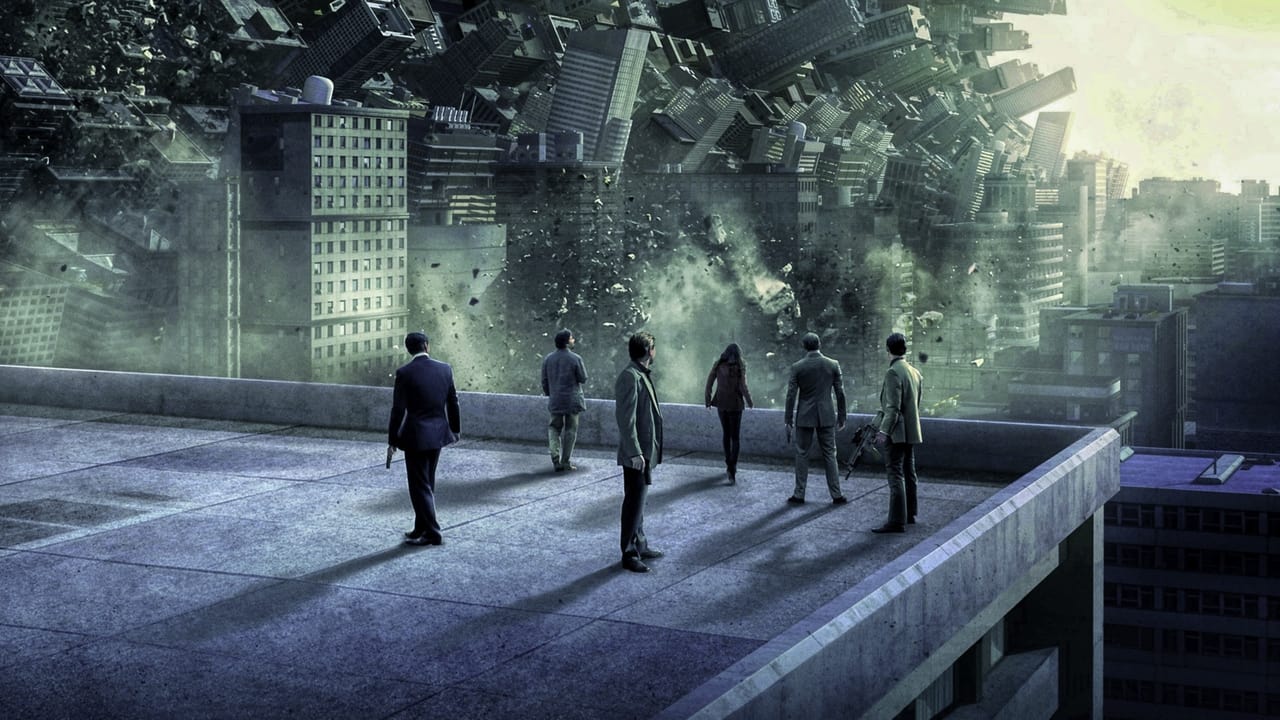
Movies like Inception are the best kind of puzzle: thrillers that bend time, memory or reality itself, then trust you to keep up. Christopher Nolan’s 2010 dream heist — DiCaprio’s Cobb, the spinning top, the question of whether the final shot is real — set a standard for smart blockbusters. The films below play the same game in different ways, and all reward a second viewing. Start with Inception itself if you want the benchmark, then dive in.
The Closest Matches
Inception (2010) is the template: a team of extractors plants an idea inside a target’s dreams, layer by layer, while Cobb’s guilt over Mal haunts every level. The hallway fight, the folding city, the totem — it is all still astonishing fifteen years on.
The Prestige (2006) is Nolan’s other great puzzle: Hugh Jackman and Christian Bale as rival Victorian magicians whose obsession destroys everything around them, with Michael Caine, David Bowie as Tesla and a structure that, like a magic trick, hides its secret in plain sight. Memento (2000) is the rawest version of the idea: Guy Pearce’s Leonard, unable to form new memories, hunts his wife’s killer backwards through tattoos and notes, and the film’s reverse structure puts you inside his confusion.
Paprika (2006) is the film Inception most obviously owes a debt to: Satoshi Kon’s anime about the DC Mini, a device that lets therapists enter dreams, turns the dream world into a parade of impossible imagery. It is wilder, stranger and more beautiful than any live-action equivalent.
More Reality-Bending Thrillers
The Dark Knight (2008) is not a puzzle film, but it shares Inception’s DNA: Nolan’s belief that a blockbuster can be about ideas — in this case, chaos, order and the lie Gotham tells itself. And beyond Nolan, the genre’s hall of fame includes The Matrix’s simulated reality, Shutter Island’s unreliable narrator, and Eternal Sunshine of the Spotless Mind’s erased memories — all films that ask you to question what you just watched.
Why the Puzzle Works
The secret is that the puzzle is never just a gimmick. Inception’s dream levels mirror Cobb’s emotional journey; Memento’s backwards structure is Leonard’s condition; The Prestige’s three-act trick structure is literally the film’s own design. When the form matches the feeling, the twist lands as emotion, not just cleverness — which is why these films survive endless rewatches and Reddit threads.
The other ingredient is trust. Nolan, Kon and their peers trust the audience to pay attention, to hold two timelines in their heads, to argue about the ending. That respect is rare in blockbuster cinema, and it is why these films feel like events rather than content.
Where to Start Tonight
If you want the purest puzzle, Memento is the essential first watch and The Prestige the most satisfying rewatch. If you want visual spectacle, Paprika is unmatched. And if you have not revisited Inception lately, the spinning top still works its magic.
For the full story behind the film that defines this genre, see the complete Inception page.
One More Reason to Rewatch
The real test of a puzzle film is the second viewing, and these all pass it. Memento plays completely differently once you know where it ends; The Prestige hides its answer in the first scene; Paprika’s dream logic rewards pausing and rewinding; Inception’s final shot still sparks arguments more than a decade later. That staying power is rare, and it is why this corner of cinema has such a devoted following: these are films built to be discussed, debated and revisited, not just watched once and forgotten. Pick one, watch it twice, and you will understand the appeal.
For the full story behind the film that defines this genre, see the complete Inception page.
Leave a Reply