The best classic movies do not feel old at all. Strip away the black-and-white photography and the slower cutting, and you find stories, performances and craft that most modern blockbusters cannot match. These five films — spanning romance, horror, samurai epic and courtroom drama — have survived decades of changing tastes, and every one of them still plays like a masterclass.
The Romance: Casablanca
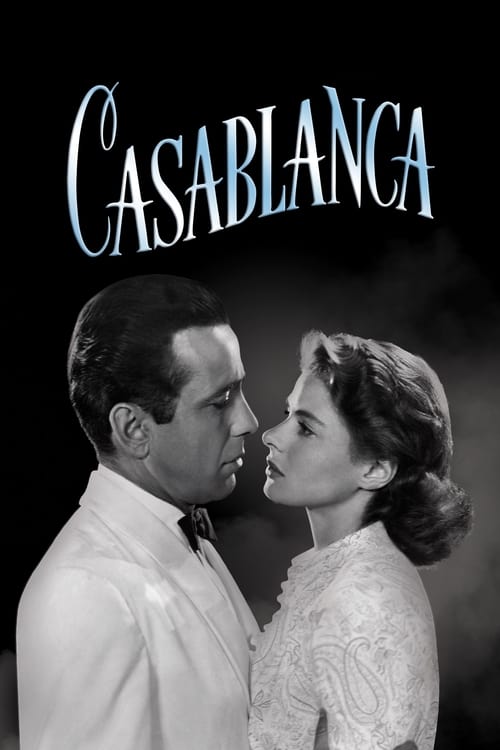
Casablanca (1942) is the most quoted film ever made, and for good reason. Directed by Michael Curtiz and running 1h 42m, it stars Humphrey Bogart as Rick Blaine, Ingrid Bergman as Ilsa Lund, Paul Henreid as Victor Laszlo and Claude Rains as Captain Louis Renault, in a wartime story of love, sacrifice and moral choice set in French Morocco. Every scene works, every line lands, and its ending — Rick sending Ilsa away with the words that their love belongs to a different time — remains the gold standard for bittersweet finales. It streams on HBO Max in the US.
The Horror: Psycho
Psycho (1960) changed horror forever. Alfred Hitchcock’s film, running 1h 49m, stars Anthony Perkins as Norman Bates, Janet Leigh as Marion Crane, Vera Miles as Lila Crane and John Gavin as Sam Loomis. Marion steals $40,000 and flees — and walks straight into the most famous plot twist in cinema history. The shower scene, the Bates Motel, the score: everything about Psycho has been copied so often that it is easy to forget how shocking it was, and how brilliantly it still works when you watch it cold.
The Epic: Seven Samurai
Seven Samurai (1954) is the film that taught Hollywood how to make an action epic. Akira Kurosawa’s masterpiece, running 3h 27m, stars Toshirō Mifune as Kikuchiyo and Takashi Shimura as Kambei Shimada, in the story of a 16th-century farming village that hires samurai to defend itself against bandits. It is long, yes — but not a minute is wasted, and its influence runs through everything from The Magnificent Seven to A Bug’s Life. It streams on HBO Max in the US.
The Hidden Gem: Harakiri
Harakiri (1962) is the lesser-known masterpiece on this list, and arguably the most devastating. Directed by Masaki Kobayashi and running 2h 15m, it stars Tatsuya Nakadai as Hanshiro Tsugumo and Akira Ishihama as Motome Chijiiwa, in a story set in Japan in 1630 about a ronin who requests permission to commit ritual suicide at a lord’s estate. What begins as a formal samurai drama becomes a furious indictment of honour, hypocrisy and power. It streams on the Criterion Channel in the US.
The Courtroom: 12 Angry Men
12 Angry Men (1957) proves that a great film needs nothing but a room and twelve actors. Sidney Lumet’s debut, running 1h 37m, stars Henry Fonda as Juror 8 and Lee J. Cobb as Juror 3, as twelve jurors decide a young man’s fate in a murder trial. Shot almost entirely in one room, it turns deliberation into pure drama — prejudice, reason and courage colliding in real time. It is the rare classic that feels more urgent with every passing year.
Why Classics Outperform Blockbusters
What these five films share is a trust in the audience: no franchise homework, no post-credit setup, just a complete story told with total confidence. Modern blockbusters chase scale; these films chase truth, and truth ages better than spectacle. That is why Casablanca still makes audiences sigh, why Psycho still makes them jump, and why a three-and-a-half-hour samurai film from 1954 still outclasses most of what plays in cinemas today. Watch them in any order, but start with Casablanca on a quiet evening — it is the rare film that gets better every time you see it.
For cast details and where to stream it, see our full Casablanca guide.
Leave a Reply