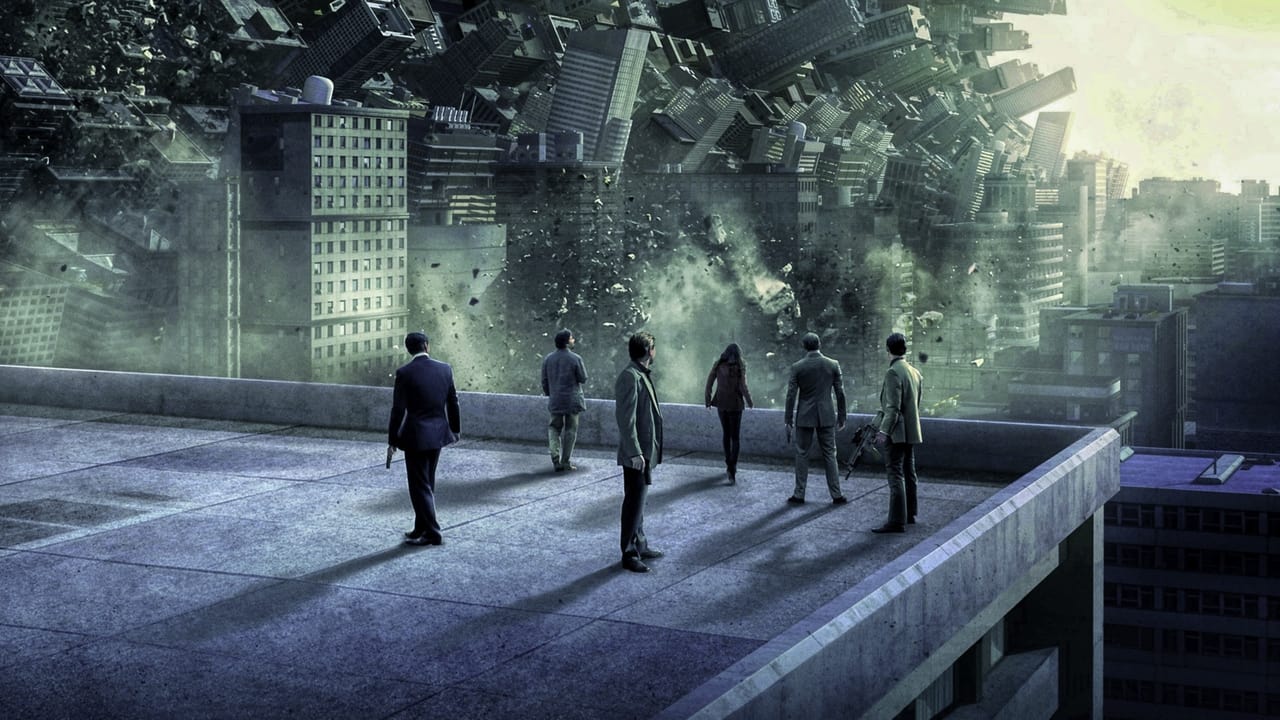
The best mind bending movies do not just twist; they rebuild the rules while you are watching. Dreams become heists, memories run backwards, and identity itself starts to slip. Inception (2010) is the genre’s blockbuster peak, but the films that bend minds best range from Nolan’s puzzle boxes to Satoshi Kon’s anime dreamscapes. If you like leaving a film with more questions than you entered with, this list is for you. Here are five films that will leave you happily confused.
Inception: Dreams Within Dreams
Directed by Christopher Nolan, Inception runs 2 hours 28 minutes and holds an 84% on TMDB, with Leonardo DiCaprio as Cobb, a thief who steals secrets from inside people’s dreams. The film’s genius is that it explains its own rules clearly, then uses them to build a heist across four collapsing layers of dreaming at once. The spinning top in the final shot has launched a thousand arguments, and that is the point: Nolan trusts the audience to sit with uncertainty. It is the rare blockbuster that gets better the more you think about it.
The Prestige: Every Trick Has Three Acts
The Prestige (2006) is Nolan’s other great puzzle, and its structure is the trick. It runs 2 hours 11 minutes and holds an 8.2 on TMDB, with Hugh Jackman as Angier and Christian Bale as Borden, rival Victorian magicians whose feud consumes everything, and David Bowie as Nikola Tesla. The film tells you how a magic trick works, then performs one on you anyway: the pledge, the turn, the prestige. On a second viewing, every scene means something different, which is exactly what a film about obsession should do.
Memento: A Mystery Told Backwards
Memento (2000) puts you inside its hero’s condition. Nolan’s film follows Guy Pearce’s Leonard, a man who cannot form new memories and hunts his wife’s killer using tattoos and Polaroids, and it tells his story in reverse, so you share his confusion about what just happened and why. It holds an 82% on TMDB. The structure is not a gimmick: it forces you to question every fact Leonard believes, including the ones he wrote on his own skin. It remains the purest example of form matching story in modern film.
Paprika: The Dream Machine Runs Wild
Paprika (2006) is Satoshi Kon’s most dazzling film, and the clearest ancestor of Inception’s dream logic. When a device that lets therapists enter patients’ dreams is stolen, the boundary between dreaming and waking collapses, and Kon fills the screen with parades, shifting faces and impossible architecture. It is joyful and unsettling in equal measure, and it argues that dreams are not puzzles to solve but places to visit. If Inception made you want more dream cinema, this is the essential next stop.
Perfect Blue: When Identity Fractures
Perfect Blue (1997) is Kon’s darkest mind-bender. It runs 1 hour 21 minutes and holds an 8.3 on TMDB, with Junko Iwao voicing Mima Kirigoe, a pop idol turned actress who is stalked as her sense of self fractures. The film blurs performance and reality until you cannot tell which scenes are happening and which are being acted, and it streams on HBO Max in the US. It is a thriller, a horror film and a warning about fame all at once, and it has influenced a generation of psychological cinema. Its fingerprints run through everything from Black Swan to modern psychological horror, which makes it essential viewing for anyone tracing the genre’s DNA. Watch it when you want your mind bent, not comforted.
For the full cast, runtime and where to watch, see our complete Inception title page.
Leave a Reply