⚠ Spoilers ahead
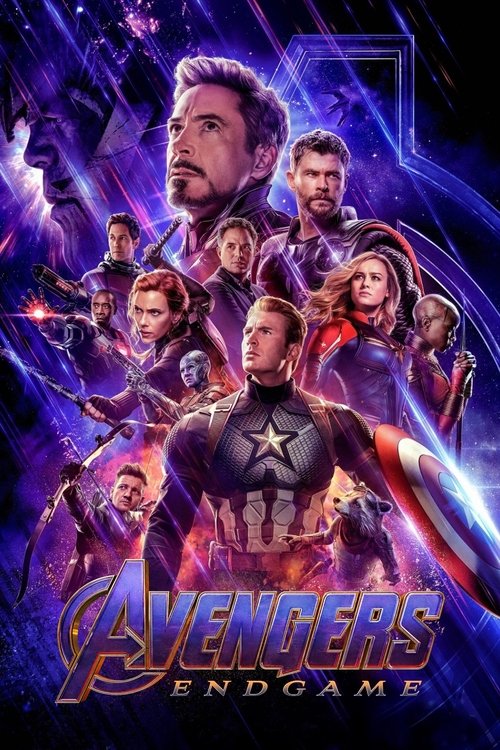
Avengers: Endgame ends with two farewells and one of the most debated choices in superhero cinema. Tony Stark snaps Thanos and his army out of existence and dies from the power of the Infinity Stones, and Steve Rogers, after returning the borrowed Stones to their proper places in time, chooses to stay in the past and live a full life with Peggy Carter, returning as an old man to pass his shield to Sam Wilson. The film answers its biggest emotional questions cleanly, and its timeline questions less so. This article explains the Avengers: Endgame ending, including what Steve’s choice actually means.
Tony’s Snap and the Price of Victory
The final battle is won by a single act of self-sacrifice that the whole film has been building toward. After the Avengers undo Thanos’ snap and bring back everyone who was dusted, a Thanos from 2014 arrives in the present and seizes the Infinity Gauntlet. In the chaos, Tony Stark takes the Stones into his own armor and snaps, wiping out Thanos and his forces. His last words, “I am Iron Man,” echo the line that launched the Marvel Cinematic Universe in 2008, and he dies in Pepper Potts’ arms, with Peter Parker and the other Avengers around him. The film treats Tony’s death as the completion of his arc: the selfish arms dealer of the first Iron Man becomes the man who gives everything for everyone else. His funeral, attended by heroes from across the MCU, is the film’s emotional full stop, and it is why the victory feels earned rather than cheap. Endgame insists that reversing death on a cosmic scale still has a personal cost, and Tony pays it.
Natasha’s Sacrifice and the Soul Stone
Before the final battle, the film makes its other great sacrifice on Vormir, where Clint Barton and Natasha Romanoff learn that obtaining the Soul Stone requires a life given willingly. The two friends fight over who will jump, and Natasha wins, falling to her death so that Clint can carry the Stone home. The scene matters for the ending because it establishes the film’s rule: some losses cannot be undone. When Bruce Banner later snaps the vanished back to life, Natasha does not return, because her death was not caused by the Stones. That distinction is the film’s way of keeping stakes real in a story about time travel. Not every death can be reversed, and the Avengers carry that grief into the final battle. It also explains why the film never treats the time heist as a magic fix. The team can restore what Thanos destroyed, but they cannot rewrite every tragedy along the way.
How the Time Travel Actually Works
Endgame’s time travel follows rules the film states clearly, even if fans still argue about them. The Ancient One explains to Bruce that removing an Infinity Stone from its time creates a branching timeline, a new reality that suffers without the Stone’s protection. Returning the Stone to the exact moment it was taken, she says, clips that branch, restoring the timeline as it was. That is Steve’s final mission: he takes the Stones and Mjolnir back through time, returning each to its place, and then he does not come back on schedule. The film’s logic is that changing the past does not change your own future; it creates a new timeline. So Steve living with Peggy in the past would, by that logic, happen in a branched timeline, not in the main one the Avengers inhabit. The film never spells out how old Steve gets back to the main timeline’s bench, which is why the question has fueled years of debate. The Russo brothers have suggested different readings at different times, and the film itself leaves it open. What is not ambiguous is the emotional point: Steve finally chooses a life for himself, after a lifetime of putting duty first.
Steve’s Choice and the Shield
Steve’s decision is the quiet mirror of Tony’s. Where Tony dies for the world, Steve lives for himself, and the film presents both as heroic. The final scene finds an elderly Steve sitting on a bench by the lake, having lived the life he gave up when he crashed into the ice in the 1940s, and he passes his shield, and the mantle of Captain America, to Sam Wilson. The choice resonates because Steve’s entire story has been about sacrifice: he was the scrawny kid who threw himself on a grenade, the soldier who stayed on the plane, the man out of time who kept fighting because there was no one else. Choosing Peggy is the first time he puts his own happiness first, and the film frames it as earned, not selfish. It also sets up the future of the MCU, with Sam carrying the shield into the next era of Avengers stories, including Avengers: Doomsday. For the full story, cast and where to watch, see our guide to Avengers: Endgame.
Leave a Reply