⚠ Spoilers ahead
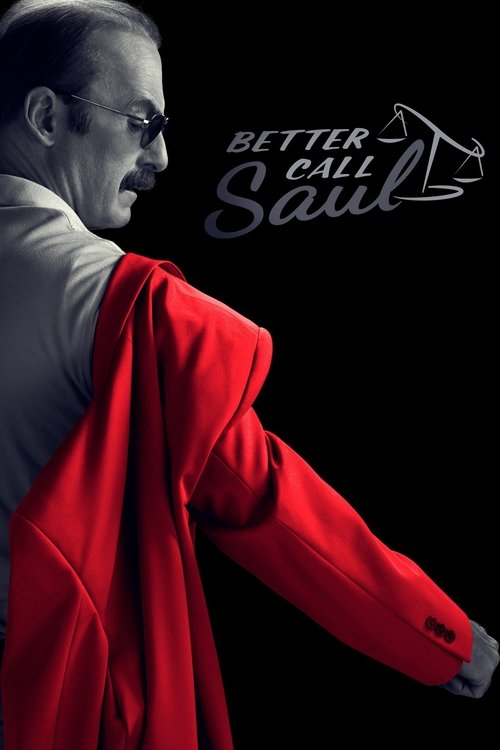
The ending of Better Call Saul is the opposite of a prison-break triumph. Jimmy McGill, facing a long sentence, is offered a deal that would cut his time to just seven years — and he throws it away. Instead, he stands up in court, confesses to everything, including his role in Chuck’s downfall, and accepts 86 years in prison. The finale’s last scene is quiet: Kim visits him in prison, they share a cigarette against a wall, and she walks away while he raises his fingers in a small finger-gun gesture. It is an ending about finally telling the truth, and about what that truth costs.
Why Jimmy Rejects the Seven-Year Deal
Jimmy has spent his life talking his way out of consequences. The plea deal is the ultimate version of that skill: by cooperating, blaming others and minimising his own role, he could walk out of prison while still relatively young. When he learns that Kim has confessed her own part in the Howard Hamlin scheme, however, something shifts. He realises that the deal would require him to lie again — and that Kim, who has already chosen honesty, would be left carrying the truth alone.
Rejecting the deal is not a legal strategy. It is a moral one. Jimmy chooses to be Jimmy McGill, not Saul Goodman, for the first time in years, and he does it knowing the price is almost his entire remaining life.
The Courtroom Confession
In court, Jimmy does not just plead guilty. He tells the full story, in detail, including the parts that help no one and hurt only him. He admits that he sabotaged Chuck’s career and contributed to his brother’s decline, that he built the Saul Goodman persona to hide from his own guilt, and that he enabled Walter White’s empire. The confession is long, unflinching and, for a character defined by spin, strangely plain.
The judge sentences him to 86 years. The number matters less than what it represents: Jimmy has finally stopped negotiating. He has accepted that some damage cannot be talked away, and that the only honest ending available to him is to own it.
Kim’s Prison Visit
The final scene returns to the show’s most important relationship. Kim visits Jimmy in prison, and the two share a cigarette leaning against a wall — a callback to their early days, when they smoked together in a parking garage and dreamed of a life they never quite had. There is no big speech, no reconciliation, and no promise of a future together.
What there is, instead, is presence. Kim came. She sat with him. And as she leaves, Jimmy raises his fingers in the finger-gun gesture they once shared as a joke. It is a small, sad acknowledgement that the people they were are still in there somewhere, even if the life they imagined is gone.
What the Ending Means
Better Call Saul ends not with a twist, but with a reckoning. Jimmy’s confession does not undo what he did to Chuck, to Howard, or to the many people hurt by the criminal world he helped build. It does, however, undo the lie at the centre of his life: that he was always the victim, always the clever outsider, always one deal away from being free.
By accepting prison, Jimmy finally stops running. And by visiting him, Kim shows that honesty, however late, can still be met with something like grace — even if it cannot bring back what was lost.
The story began as a prequel to Walt’s empire, and you can revisit that chapter in Breaking Bad.
For the full story, cast and where to watch, see the complete guide to Better Call Saul on DuloTV.
Leave a Reply