marvel phases explained starts with a simple idea: Marvel does not just make movies, it builds them in chapters. The Marvel Cinematic Universe is divided into Phases, and those Phases are grouped into Sagas — and right now, the whole machine is pointing toward Avengers: Doomsday. Here is how the structure works.
The Infinity Saga: Phases One to Three
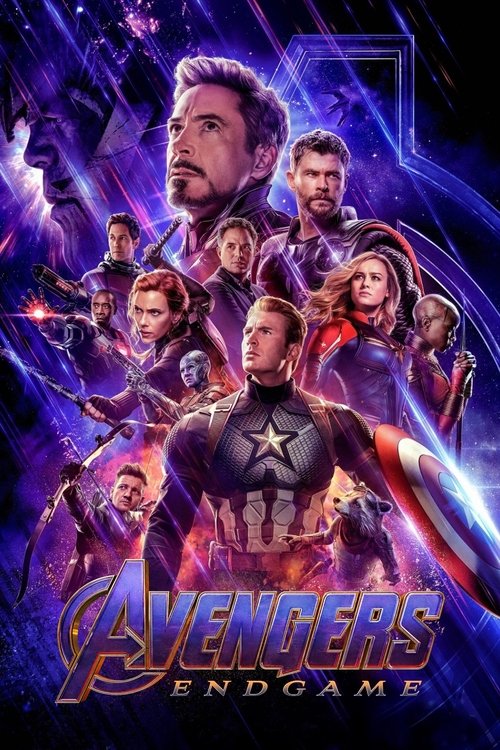
The Infinity Saga runs from Phase One (2008–2012), which introduced Iron Man, Thor and Captain America and ended with The Avengers, through Phase Two (2013–2015), which expanded the universe with Guardians of the Galaxy and Ant-Man, to Phase Three (2016–2019), the biggest chapter of all. Phase Three built the Infinity Stones storyline to its climax in Avengers: Endgame (2019), where Tony Stark’s snap defeated Thanos at the cost of his own life. The Infinity Saga is a complete story: a decade of films, one villain, one ending — and it remains the gold standard every later phase is measured against.
The Multiverse Saga: Phases Four to Six
The Multiverse Saga runs from Phase Four (2021–2022), which opened with WandaVision and brought television into the MCU properly, through Phase Five (2023–2025), to Phase Six (2025–2027), which opened with The Fantastic Four: First Steps. Where the Infinity Saga was tightly focused on one villain, the Multiverse Saga is deliberately sprawling: parallel worlds, variants, the TVA, and a new generation of heroes stepping up as the original Avengers step back. The through-line is the multiverse itself — and the collision of worlds that Doomsday is set to deliver.
What a Phase Actually Is
A Phase is not just a release window; it is a storytelling unit. Each Phase has its own arc, its own new heroes, and its own climax — usually an Avengers film or a major crossover. Phases One to Three each ended with an Avengers movie; Phase Four ended with the multiverse cracking open; Phase Six is built to end with two Avengers films back to back. Knowing the Phases helps you watch smarter: if a film feels like setup, it probably is — Marvel plans its payoffs years in advance, and the Phase structure is the map.
Where Doomsday Fits
Avengers: Doomsday (2026) is the Phase Six climax the Multiverse Saga has been building toward: the Avengers, the Fantastic Four, the X-Men and more, facing a threat big enough to require all of them. It is followed by Avengers: Secret Wars (2027), which is expected to close the Multiverse Saga entirely — just as Endgame closed the Infinity Saga. After that, Marvel will begin a new Saga, with new Phases, new heroes and a new overarching story. Doomsday is not just another Avengers movie; it is the end of an era.
How to Watch the Sagas
New to the MCU? Watch the Infinity Saga in release order first — Iron Man through Endgame — and you will understand why the whole world fell in love with this universe. Then move into the Multiverse Saga, starting with WandaVision, and treat the Disney+ shows as essential chapters, not extras. The Phases reward patience: the jokes, the cameos and the crossovers all land harder when you have followed the whole structure. And with Doomsday on the horizon, there has never been a better time to catch up. If you only have time for the essentials, watch Iron Man, The Avengers, Captain America: Civil War, Thor: Ragnarok, Avengers: Infinity War and Endgame for the Infinity Saga, then WandaVision, Loki, Spider-Man: No Way Home and The Fantastic Four: First Steps for the Multiverse Saga.
Ready for the next chapter? Revisit Avengers: Endgame first — then get ready for Doomsday before the big event arrives.
Leave a Reply