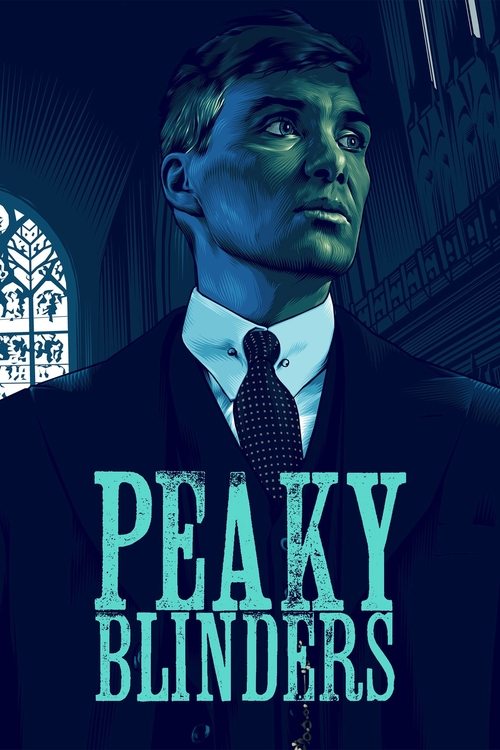
peaky blinders true story is one of the most asked questions about the BBC drama, and the answer is a satisfying mix: yes, there really was a Peaky Blinders gang — but Tommy Shelby and his family are inventions. Peaky Blinders, created by Steven Knight, takes a real name, a real city and a real era, then builds a fictional empire on top of them. Here is what is real, and what is not.
The Real Gang: Birmingham’s Peaky Blinders
The real Peaky Blinders were a street gang in Birmingham in the late 19th and early 20th centuries, active roughly from the 1880s to the 1910s. They were known for violence, gambling and territorial control of the city’s streets, and they were one of several youth gangs of the era. The name itself is often linked to their peaked caps — the flat caps that became the gang’s signature look, and the show’s most famous costume choice. That part of the legend, at least, is grounded in how the gang dressed.
The Legend: Razor Blades in the Caps
The most famous part of the Peaky Blinders legend — that they sewed razor blades into their caps and used them as weapons — is generally treated by historians as legend rather than fact. The story is dramatic, and the show leans into it, but there is little solid evidence that the real gang fought that way. It is the kind of detail that grows in retelling: a vivid image that outlives the gang itself. Treat it as folklore, not history — though it makes for unforgettable television.
The Crackdown: How the Real Gang Ended
The real gang was largely broken up before the era the show depicts, through police efforts associated with Birmingham’s Chief Constable Charles Haughton Rafter, who led a crackdown on the city’s gangs. By the time the show’s story begins in 1919, after the Great War, the original Peaky Blinders were already fading. The show’s Inspector Campbell, played by Sam Neill, is a fictional character — but he represents the real pressure the police brought to bear on Birmingham’s gangs in that era.
The Fiction: Tommy Shelby and His Family
Tommy Shelby, played by Cillian Murphy, and the Shelby family are fictional creations of Steven Knight. Knight has said that family stories about relatives who lived in that Birmingham milieu inspired him — the world of the show, its pubs, its bookmakers and its street culture, comes from real family memory. But the Shelbys themselves, their rise from street gang to criminal empire, and their enemies and alliances, are invented. The show is set in 1919 Birmingham, but its story is a work of imagination laid over a real place.
The Real Rivals: Billy Kimber and the Birmingham Boys
Not everything in the show is invented, though. Billy Kimber and the Birmingham Boys, who appear as rivals in the show’s world, were real figures — a genuine rival gang that clashed with Birmingham’s street gangs. Their presence is a reminder that Knight built his fiction from real material: real gangs, real rivalries, real streets. The show’s genius is in how it weaves those real threads into a story that never actually happened.
The Bottom Line
So were the Peaky Blinders real? The gang was real, the city was real, the era was real — and the razor-blade caps are probably legend. Tommy Shelby, however, is fiction, and so is the empire he builds. The show is best understood as a myth built on a true foundation: a real gang’s name, worn by a fictional family, in a city that really did breed men like them.
Ready to rewatch it with that knowledge? Start with Peaky Blinders from series one — and watch how a real Birmingham street gang became television legend.
Leave a Reply