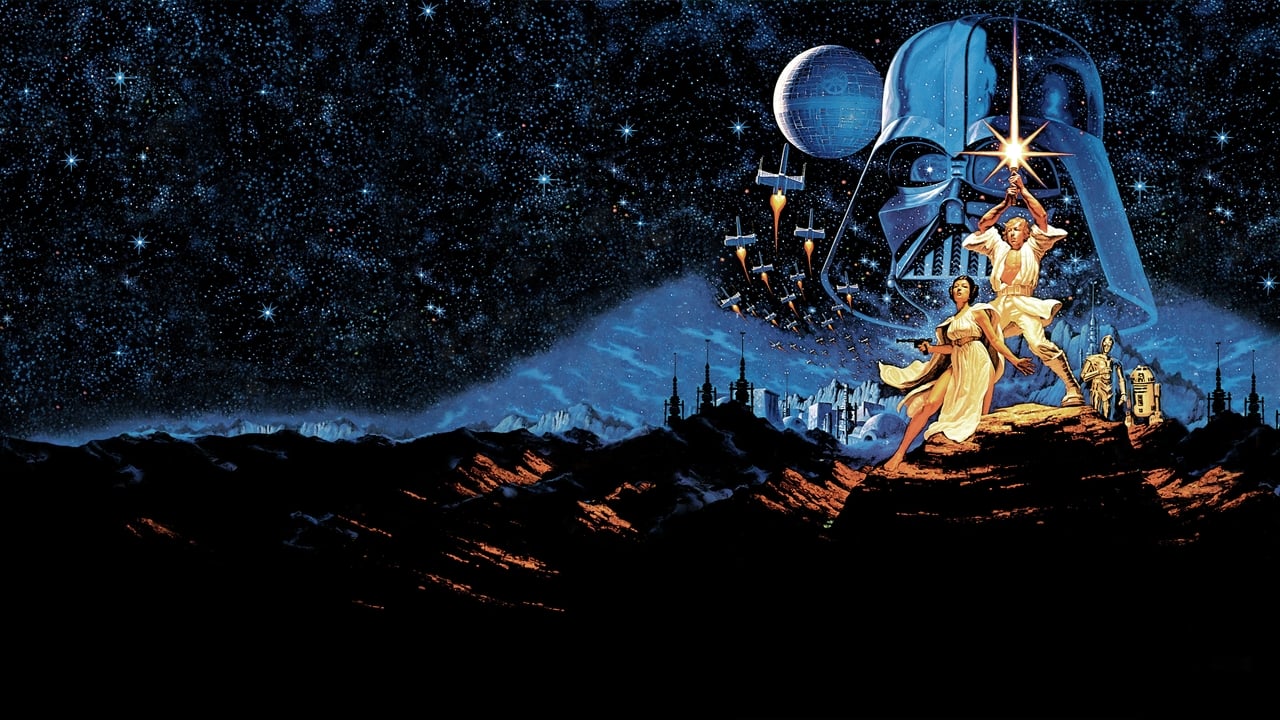
Star Wars is the rare saga where the order you watch it in genuinely changes the story. Watch it one way and Darth Vader’s reveal lands as a twist. Watch it another and it lands as tragedy. With films spanning nearly fifty years and television series filling in the gaps, newcomers face a real choice. This guide compares the three main approaches: release order, chronological order and the Machete Order, and explains where the newer shows fit, so you can pick the path that suits you.
Release Order: The Way Audiences First Saw It
Release order means watching the films in the order they came out, starting with the original trilogy. Begin with Star Wars: Episode IV – A New Hope (1977), then Star Wars: Episode V – The Empire Strikes Back (1980) and Return of the Jedi (1983), followed by the prequel trilogy (1999-2005), the sequel trilogy (2015-2019) and the standalone films Rogue One and Solo. This is the simplest and most recommended route for first-time viewers. It preserves the saga’s great twists, most famously Vader’s revelation in Empire Strikes Back, exactly as audiences experienced them. It also lets you watch the effects, storytelling and tone evolve the way the franchise itself did. The downside is the timeline jumping: you start in the middle of the story, then jump back to the beginning, which can feel confusing if you want a straight narrative line.
Chronological Order: The Story From Beginning to End
Chronological order follows the in-universe timeline, starting with the prequels and moving forward through the original trilogy and the sequels, with the television series slotted into their places in history. This order makes the saga a single, continuous story: Anakin Skywalker’s rise and fall, the Empire’s reign, the Rebellion’s victory, and the next generation’s struggle. It is the best choice for viewers who already know the major twists and want to see the full arc as a tragedy and a redemption in sequence. It is also the best way to place the newer series. Andor, the acclaimed prequel to Rogue One, sits just before the events of A New Hope and works beautifully as a lead-in to it, while The Mandalorian takes place after Return of the Jedi and bridges the gap toward the sequel era. The trade-off is that the prequels spoil the original trilogy’s biggest surprises, since you already know who Vader is before you meet Luke.
The Machete Order: The Fan-Favorite Compromise
The Machete Order, devised by fans, tries to get the best of both worlds. Watch A New Hope and Empire Strikes Back first, then jump back to the prequels (Episodes II and III, skipping Episode I) as an extended flashback, then finish with Return of the Jedi. The logic is elegant: you get the Vader twist in Empire, then the prequels explain how Anakin became Vader just when that question matters most, and Return of the Jedi then pays off both storylines at once. It also sidelines the weakest prequel, The Phantom Menace, which contributes little to the core story. The Machete Order is best for viewers who want a curated, dramatic experience rather than a completist one, and who do not mind skipping a film. It is less suited to viewers who want to see everything, since it deliberately leaves things out.
Where the Shows Fit and Our Recommendation
Beyond the films, the modern Star Wars era is defined by its series. Andor is essential viewing for anyone who wants the Rebellion to feel real rather than mythic, and it pairs naturally with Rogue One and A New Hope. The Mandalorian, with its smaller-scale, western-inflected storytelling, is the easiest entry point into the post-Return of the Jedi era and requires little prior knowledge beyond the original trilogy. For most first-time viewers, we recommend release order: start with A New Hope, follow the films as they were released, and add Andor and The Mandalorian after the original trilogy. For returning fans, chronological order rewards a rewatch with the full sweep of the saga, and the Machete Order remains the cleverest way to show the films to someone who already knows the twists are coming. Whichever route you choose, the galaxy is best explored at your own pace, one film at a time.
Leave a Reply